The Art of the Kanjivaram Saree
A saree is more than just fabric; it is a tapestry of history, intricate weaving, and dedication. We invite you to explore the techniques that define a true heirloom and learn how to preserve your silk for generations.
Understanding the Korvai gap border, a traditional weaving technique where the body and border are interlocked. This method creates the distinct, sharp contrast that Kanjivarams are famous for.
About The Art of the Saree
The Korvai gap border, where the body and the pallu are woven separately on different looms and then interlocked, creates a sharp, distinct contrast that machine-loomed silks cannot replicate. This specific hand-weaving technique is the signature of a genuine Kanjivaram and provides the structural integrity that allows the drape to sit perfectly on your pleats.
Understanding Handloom Techniques
When you select a Kanjivaram, you are looking for more than just color. You are looking for the 'petni' or the interlocking joint. This is a labor-intensive process where two different colored silk threads are woven together. Unlike modern machines that mimic this look with prints, a traditional Korvai-woven saree feels different to the touch—it has a unique density and crispness.
We also bring in other regional crafts, such as Kasuthi embroidery from Karnataka. This geometric hand-embroidery requires immense precision and is typically worked on handloom fabrics like Ilkal or even Kanjivaram. It transforms a traditional drape into a modern fusion piece suitable for both festive pujas and evening gatherings.
Protecting Your Heirloom
Silk is a natural fiber and behaves differently than synthetic alternatives. To keep your sarees from VijayShree in pristine condition, we recommend these essential practices:
- Breathability: Always store your silks wrapped in cotton or muslin cloth. Never use plastic covers, as they trap moisture and encourage mold growth.
- Light Exposure: Keep your collection away from direct, harsh sunlight, which can fade deep-dyed mulberry silk over time.
- Dry Cleaning: For heavy zari work, dry cleaning is the only safe route. Attempting to wash these at home can tarnish the metallic finish of the zari.
- Rotation: Periodically air out your sarees in a shaded, cool area. This prevents musty odors and keeps the silk fibers fresh.
Whether you are building a trousseau or selecting a saree for Varamahalakshmi, understanding the weave helps you value the piece beyond its immediate aesthetic appeal. If you have questions about a specific border or embroidery style, feel free to reach out to us at our New Tippasandra studio.
Similar work from other experts
Browse through Curated picks from other experts on mytribe
The Art of the Weave: Authentic Handloom Silk Sarees
The Queen of Silks: Kanjeevaram Saree Collection
Timeless Kanchipuram Silk Sarees
 102
102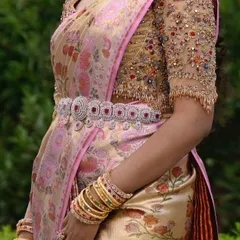


Heirloom Bridal Sarees That Tell Your Story
 42
42


Timeless Ilkal and Madurai Handloom Sarees
 6
6


Our Weaving Philosophy: The Art of Handloom
More from Festive & Traditional Wear by VijayShree Sarees
More services by VijayShree Sarees