Sustainable Community Planning and Master Plan Design
At Ekadanta, we rethought how a community functions. By integrating rainwater harvesting, gravity-fed water systems, and green fencing, we have created a 41-acre space where luxury meets self-sufficiency.
In this radio interview, I detail the practical systems that make Ekadanta a self-reliant community. I explain how we use gravity-fed water systems, permeable cobblestone driveways to recharge groundwater, and even live mulching for waste management, ensuring not a single drop of water is wasted.
About Sustainable Community Planning: The Ekadanta Project
One critical detail in our master plan is the water management system. Instead of relying on expensive external infrastructure, we mapped the natural contours of the 41-acre site to create storm water drainage networks. These channels route every drop of rainwater into a man-made pond at the lowest point, effectively recharging the groundwater table and ensuring a self-sustaining irrigation source for the entire community.
Rethinking Community Privacy
Many large-scale developments rely on expensive masonry compound walls that cut off the land from its natural surroundings. At Ekadanta, we replaced these barriers with 'Green Fencing'—using local shrubbery and trees. This not only maintains privacy for individual cottage owners but also allows the community to feel open and connected to the 41-acre landscape. It is about creating a space that breathes.
Infrastructure That Gives Back
My approach to master planning is simple: the site should be a resource, not a burden. We designed the internal road network using permeable cobblestones, allowing rainwater to penetrate the soil and recharge the groundwater table, which is a major concern in Bengaluru.
Our Planning Process
Whether you are developing a farm community or an institutional campus, our master plan deliverables include:
- Slope Analysis: Mapping natural contours to reduce cut-and-fill excavation costs.
- Hydrological Planning: Marking storm water 'Nala' networks to guide water to collection points.
- Strategic Zoning: Dividing private plots from community zones like clubhouses to maximize land value while preserving green cover.
- Visualization: Providing 3D aerial renders and detailed FSI (Floor Space Index) calculations to help you visualize the end result before you break ground.
By focusing on these passive systems—like natural cooling through wind tunnels and greywater recycling—we ensure the development remains climate-responsive and low-maintenance for years to come.
Similar work from other experts
Browse through Curated picks from other experts on mytribe
Sustainable Residential Community Masterplans
 13
13
Master Planning for Residential Communities & Townships
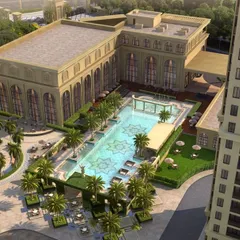
Holistic Community Masterplanning for Integrated Spaces
 7
7
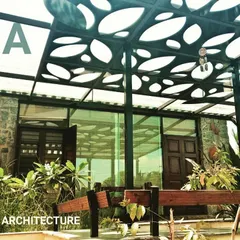
Farmhouse and Resort Design
 7
7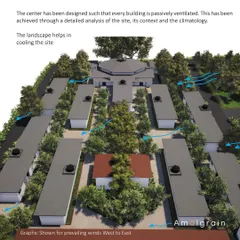
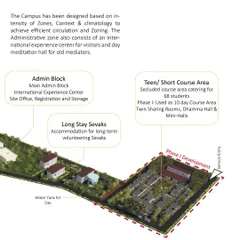
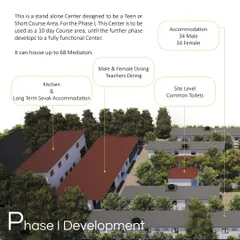
Dhamma Anurakkhi Meditation Center: Sustainable Master Planning
 17
17
Master Planning for Urban Sanctuaries and Gated Communities
More from Sustainable Master Planning by Tropic Responses
More services by Tropic Responses