Sustainable Design Philosophy & Academic Engagement
Sustainable architecture is a conversation that shouldn't stop at the drawing board. Whether I’m on air discussing vernacular techniques or in a classroom mentoring the next generation, sharing these design philosophies is a core part of how I work.
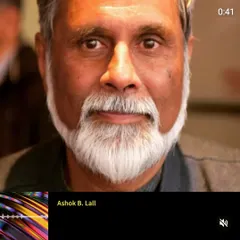
I had a wonderful conversation on Fever 104 FM about my vision for sustainable architecture. In this clip, I explain what vernacular techniques are and how I use local materials like earth and stone to create energy-efficient buildings.
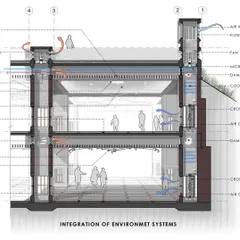
In this radio interview, I detail the practical systems that make the Ekadanta community self-reliant. I explain how we use gravity-fed water systems, permeable cobblestone driveways to recharge groundwater, and even live mulching for waste management.
On air at the Fever 104 FM studio, discussing the architectural concepts behind the Ekadanta project. It's always a pleasure to share my passion for sustainable design and explain how we can build communities that are both luxurious and in tune with nature.
I was honored to be featured in Design Dialogues by Fublis Media and Re-thinking The Future. The interview was a great opportunity to discuss my design philosophy, from our celebrated Audumbara House to the vision for Urban Gurukul.
Here I am reviewing student work at the Dayananda Sagar College of Architecture. Mentoring young architects is incredibly rewarding. I enjoy sharing insights on climate-responsive design and helping them shape their understanding of vernacular architecture.
About Media Features & Academic Engagement
You’ll notice in these discussions that I rarely talk about trends. Instead, I focus on the 'why'—why we use compressed stabilized earth blocks, why we choose gravity-fed water systems, and why vernacular architecture is just common sense applied to modern problems. These features aren't just for show; they are the building blocks of every project I design, from large farm communities to school campuses.
Architecture is an ongoing dialogue. My work in media and academia serves a dual purpose: it keeps me sharp by forcing me to articulate complex systems clearly, and it helps advocate for a more sustainable future in Bangalore's rapidly changing landscape.
Speaking on Sustainable Living
My discussions on platforms like Fever 104 FM aren't just about sharing my portfolio. I use those moments to break down how we can tackle Bangalore's water crisis through gravity-fed irrigation and permeable cobblestone driveways. I believe that if a client understands the 'why' behind a design—like why we use living mulch or soil biofiltration instead of mechanical systems—they become an active participant in the sustainability of their own property.
Mentoring the Next Generation
Engaging with students at institutions like Dayananda Sagar College of Architecture is how I stay grounded. Reviewing their work on vernacular research and climate-responsive massing keeps my own design process fresh. It is rewarding to guide young minds toward the potential of local materials like mud, stone, and lime, moving them away from the standard steel-and-glass-only approach.
Why This Matters for Your Project
When we sit down to discuss your project, whether it's an institutional campus or a sustainable master plan, you aren't getting a cookie-cutter solution. You are getting the same critical thinking and technical rigor that I apply to these design dialogues. I approach your site analysis and zoning master plan with the intent of creating something that is not just functional, but self-sufficient and in harmony with the land it sits on.
Similar work from other experts
Browse through Curated picks from other experts on mytribe

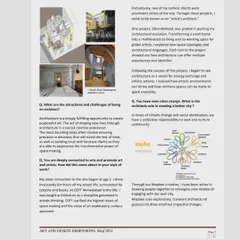
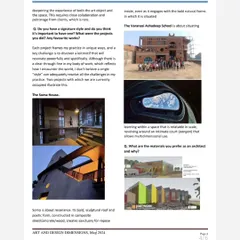
Architecture, Philosophy, and Pedagogy: My Design Perspective
 5
5
Sustainable Architecture Philosophy and Research
 29
29

Lectures, Panels & Architectural Keynotes
 19
19

Talks, Workshops, and Sustainable Architecture Features
 11
11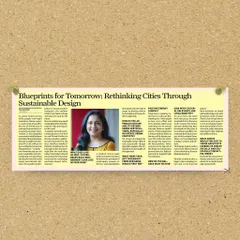
Thought Leadership and Architectural Discourse
Architect Talks: My Design Philosophy
More from Sustainable Master Planning by Tropic Responses
More services by Tropic Responses