Plant Care Guides & Tips
Not sure why your leaves are yellowing or why your plant looks sad? We make plant care simple, smart, and stress-free. Decode your plant's signals and keep your space thriving with our easy, expert-backed advice.
Your plant's leaves are trying to tell you something. Learning to distinguish between a healthy, fresh leaf and one that is dull and wilted is the first step to becoming a great plant parent.
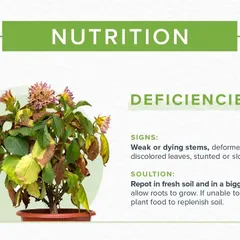
Are your leaves turning yellow? It could be a nitrogen deficiency, which can be fixed with coffee grounds. If you see yellow edges with brown veins, it might be a magnesium issue, treatable with epsom salt.
Curled new leaves can signal a lack of calcium, which adding crushed eggshells to the soil can fix. If leaves look dry and feel crunchy, your plant is dehydrated and needs more consistent watering.
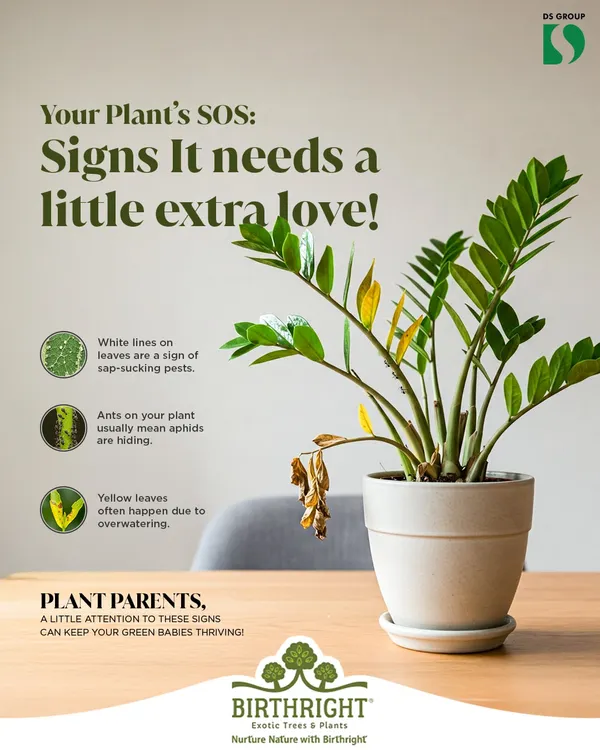
Yellowing just at the tips and edges could mean a potassium deficiency, which can be helped with banana peel water. If the whole leaf turns yellow and wilts, you may be overwatering.
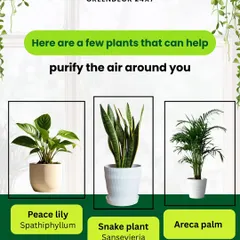
The Peace Lily is not only elegant but also a powerful air purifier. It's known for filtering common household toxins like benzene and ammonia, making your indoor air cleaner.
The Snake Plant is an ideal bedroom companion. It's one of the few plants that releases oxygen at night while also absorbing toxins like formaldehyde from the air.
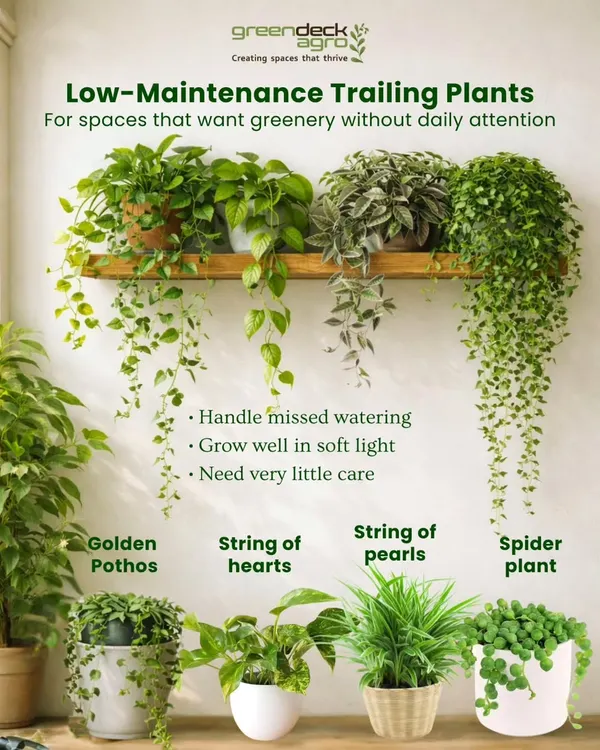
The Spider Plant is one of the easiest air-purifying plants to care for. It's excellent at removing carbon monoxide and is pet-friendly, making it a great choice for any home.
The Areca Palm acts as a natural humidifier, adding moisture to the air. It also removes indoor air pollutants and is safe for homes with pets.
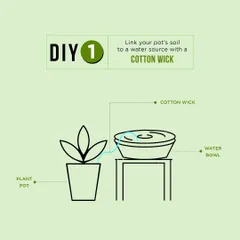
A common mistake is using pots without proper drainage. When water gets stuck, the roots rot and the plant slowly dies. Our self-watering planters are designed to prevent this issue entirely.
Understanding how to water is crucial. It's not just about pouring water; factors like plant type, size, soil, and sun exposure all play a role in how much water a plant needs.
About Plant Care Guides & Tips
Your plants are always communicating, but you need to know how to read the signs. If your leaves are turning yellow and mushy, it is usually an overwatering red flag rather than a nutrient deficiency. We help you spot these early signals—like crunchy edges or curling foliage—before they become major problems, using the same observation techniques we apply to our professional maintenance projects across Bengaluru.
Common Plant Woes & How We Fix Them
Most plant parents think they have a 'black thumb,' but the truth is usually just a few small habits that need tweaking.
The Overwatering Trap It is the most common killer of indoor greenery. If your leaves are yellowing and drooping, you might be loving your plant to death. The fix is simple: ensure your pot has proper drainage. Our self-watering planters prevent this by letting plants drink only what they need, keeping the soil moist but never waterlogged.
Reading Leaf Signals
- Yellow/Pale Leaves: Often a nitrogen deficiency. A little organic compost usually does the trick.
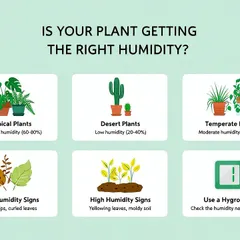
- Crunchy/Brown Edges: Your plant is likely thirsty or living in very dry air. Consistent watering or a pebble tray humidifier helps.
- Curling Leaves: This can signal a calcium issue. We often suggest adding crushed eggshells for a quick nutrient boost.
Choosing the Right Green Buddy Not every plant thrives in the same corner. If you have a low-light apartment, avoid plants that crave bright sun. Instead, look for hardy air-purifiers. A Snake Plant, for instance, is virtually indestructible and perfect for bedrooms because it releases oxygen at night. If you have pets, the Spider Plant is a safe, non-toxic choice that actually cleans the air of carbon monoxide.
Why Professional Help Matters Sometimes, a plant is just too far gone or the environment isn't right. Whether you need help diagnosing a struggling plant or you are looking for a complete green makeover, we handle the science so you can just enjoy the vibes.
Similar work from other experts
Browse through Curated picks from other experts on mytribe
Simple Plant Care Tips for Your Indoor Garden
 5
5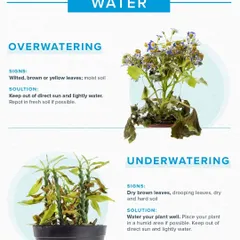
Scientific Plant Care and Gardening Tips
 12
12
Plant Parent University: Expert Care Guides & DIY Tips
 13
13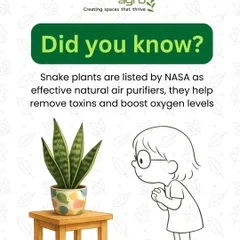

Expert Plant Care Tips and Maintenance Guides
Gardening Tips & Plant Care Facts for Bangalore Homes
Indoor and Decorative Plants for Your Home
More from Interior & Exterior Plantscaping by Treemendous
More services by Treemendous