Our Design Philosophy: The Art of Feeling
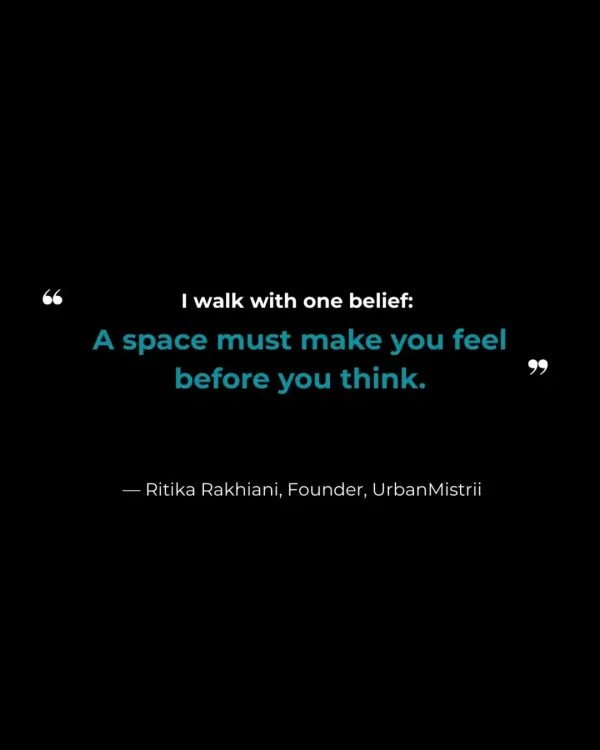
We believe spaces aren't just built. They are felt. At Transform Design, we move beyond aesthetics to create environments that resonate with your daily rhythm.
A preview of our weekly series, "Creative Thinking Behind Design," where I share the reflections and insights that guide our work. Each week, we explore one idea that defines our approach to timeless, thoughtful interiors.
Good design is about psychological comfort. I explain how we curate emotions by using natural light, sound-absorbing textures, and visual pause points to create peaceful homes where the mind can slow down.
Scale is not just technical; it is deeply emotional. In this video, I discuss how high ceilings can inspire awe while cozier proportions offer comfort, and how we adjust scale not to impress but to resonate with the human experience.
Contrast is not conflict. It is clarity. Here, I explain how the interplay of dark and light, or rough and smooth, sharpens a room's quiet parts and creates a calm harmony where difference finds its purpose.
Every space has a visual temperature, a feeling of warmth or coolness that we calibrate through materials and light. Understanding this allows us to design how a room feels before it is even touched.
Thresholds, doorways, and corridors are sacred transitions. We design these in-between spaces to celebrate movement, marking the shift from public to private, chaos to calm, and creating a story in motion.
Visual weight is about presence, not size. An object's color, texture, and placement contribute to a room's balance. This balance is not seen, but sensed, making a space feel grounded and right.
Every great space has a silent hero, an unnoticed detail that holds everything together. Sophistication hides in these subtle elements, like a light groove or a repeated color, not in the spotlight.
Without focus, a room becomes noise. A focal point gives meaning to the rest, telling the eye where to land and where to wander from. It is the quiet anchor that allows the rest of the space to breathe.
Symmetrical or non-symmetrical? Symmetry creates order and harmony, while asymmetry brings movement and contrast. The key is knowing when to use each to shape the emotional experience of a space.
About Our Design Philosophy: The Art of Feeling
I don't start with floor plans. I start by mapping your routines. Whether it is your morning movement or the way light shifts in your room, I identify the quiet corners you need to calibrate a space that feels genuinely yours.
Beyond the Blueprint: Design as a Sensory Experience
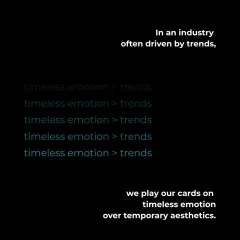
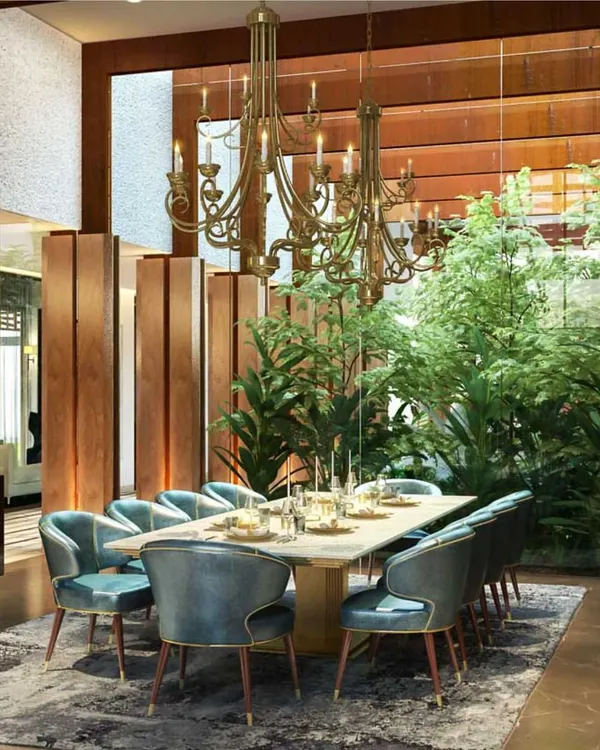
True luxury is often quiet. It is not about the latest trend or the loudest finish. It is about how a room makes you breathe. My approach at Transform Design is rooted in neuroarchitecture, the study of how built environments impact the human brain. When we design your home, we are not just arranging furniture. We are curating emotions.
The Science of Calm
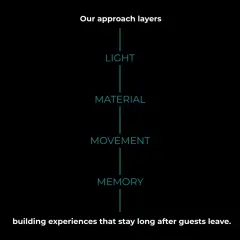
We focus on what we call 'sensorial layering.' This includes acoustics that manage resonance for your morning rituals, warm lighting that mimics the natural arc of the day, and textures that invite touch. A space should feel consistent, whether you are reading in the library or hosting guests in the living room.
Our Expertise
My team and I have brought this philosophy to diverse environments, from private luxury residential projects across Delhi NCR to institutional landmarks like the museum and library at Gurudwara Bangla Sahib. Whether it is a home mandir that requires deep material precision or an office space designed for team focus, our method remains the same. We study the 'why' before the 'how.'
How We Work
We prioritize transparency and collaboration. We provide mood boards, lighting plots, and 3D renders so you understand the emotional impact of a design before a single brick is laid. If you value restraint, balance, and spaces that evolve with you, let us start a conversation.
Similar work from other experts
Browse through Curated picks from other experts on mytribe
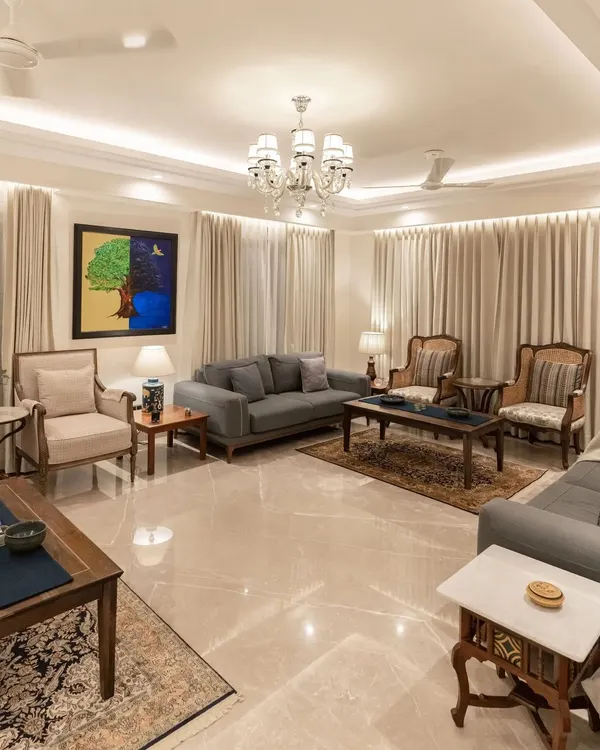 8
8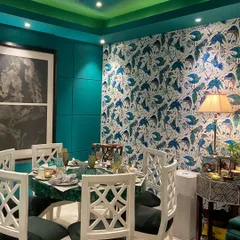
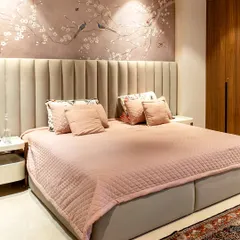
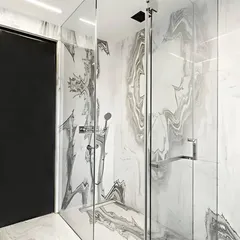
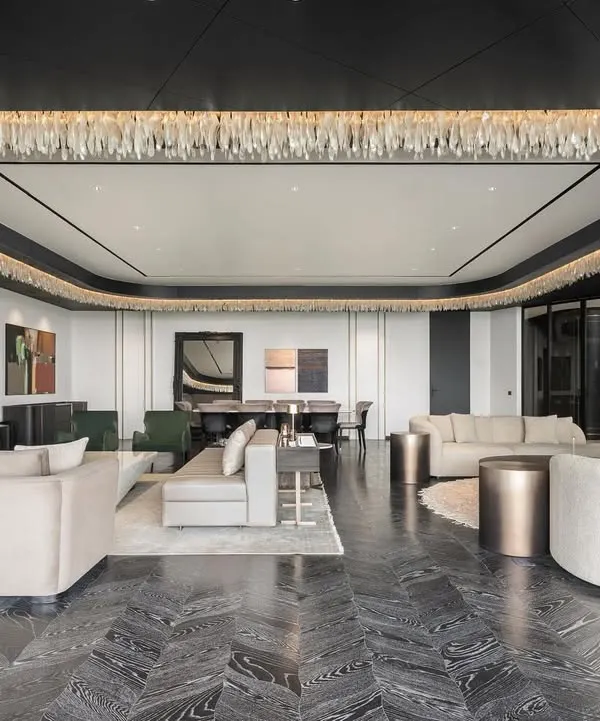
Impactful Interior Design Projects in Delhi
 8
8
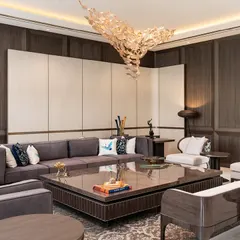
Our Featured Work: Quiet Luxury and Bespoke Interiors
 8
8
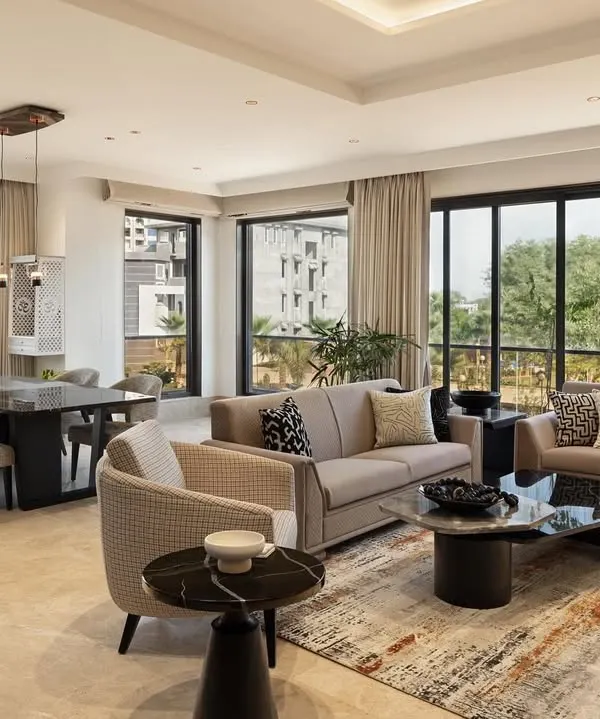
Featured Interior Design Projects in Delhi NCR
 21
21
My Design Philosophy: Spaces That Feel Like You
 8
8
Featured Interior Architecture and Residential Design Projects
 8
8
Timeless Interior Design & Tailored Homes in Delhi NCR
More from Institutional & Cultural Space Design by Transform Design
More services by Transform Design