Navigating Complex Tax Situations and Foreign Assets
Complex tax matters require precise reporting. Whether you are dealing with foreign assets, unlisted shares, or tricky tax notices, we help you stay compliant and avoid severe penalties.
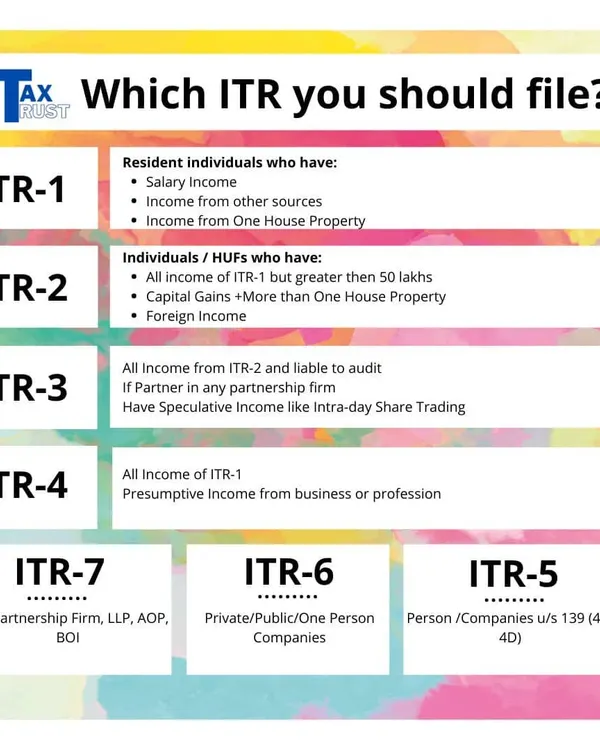
We find that many clients receive tax notices because of incorrect reporting of complex assets. This infographic highlights a critical rule for resident taxpayers: you must disclose all foreign income, overseas assets, and holdings in unlisted shares. Failing to report these correctly can lead to significant penalties, and we ensure your ITR-2 form is filed with complete accuracy.
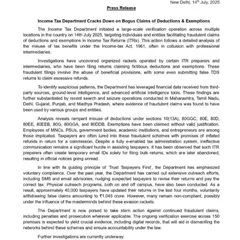
This official communication from the Income Tax Department underscores the importance of correctly filling the Foreign Asset Schedule in your ITR. If you are a resident of India holding foreign bank accounts, properties, or earning foreign income, this disclosure is mandatory. We guide you through Schedule FA to ensure every detail is reported correctly, protecting you from scrutiny under the Black Money Act.
About Navigating Complex Tax Situations
Many taxpayers assume that because an asset is held offshore or remains off the domestic radar, it does not need to be declared. This is a costly misconception. The Income Tax Department now actively cross-references your Annual Information Statement and global banking data. If you have foreign bank accounts, overseas shares, or ESOPs, filing the Schedule FA in your ITR is not optional; it is a critical requirement that protects you from potential scrutiny under the Black Money Act.
Understanding Your Disclosure Obligations
When your financial profile includes more than just a salary slip, standard filing processes often fall short. We focus on ensuring that every piece of your financial puzzle is accounted for, preventing red flags that lead to automated tax notices.
Common areas where we provide specialized support:
- Foreign Asset (FA) Schedule: If you are a tax resident in India, you must disclose foreign bank accounts, immovable property, and financial interests held abroad. We help you map these correctly to avoid penalties.
- Unlisted Shares: Reporting unlisted equity requires precision. Incorrect valuations or missing details often trigger scrutiny under Section 139(9).
- Crypto and VDA Transactions: Digital assets are under heavy watch. We help categorize these correctly to ensure you are not flagged for undisclosed income.
Why Specialized Defense Matters
If you have already received a notice, the worst approach is to provide a vague, generic response. Our team dissects the intimation, cross-verifies it against your Form 26AS and AIS, and drafts a technical reply that addresses the department's specific concern. We treat your response as a legal factum, not just a document upload.
FAQ: Handling Tax Complexity
Q: Does holding an foreign account always mean I have to pay extra tax? No. Often, it is a matter of disclosure. We apply Double Taxation Avoidance Agreements (DTAA) where applicable to ensure you do not pay tax twice on the same income.
Q: What if I forgot to disclose a foreign asset in a previous year? It is better to address this proactively. We assess the situation and advise on the safest path for rectification to mitigate penalty exposure.
Q: Can you handle correspondence with the tax office? Yes. From filing the initial response to managing the proceedings and attending hearings, we provide end-to-end representation.
Similar work from other experts
Browse through Curated picks from other experts on mytribe
 11
11


Investment and Asset Taxation Services


Income Tax Explained: Expert Filing and Compliance Solutions
 6
6

Professional Tax & Financial Advisory Services in Bengaluru
 15
15


Global Cross-Border Legal and Tax Structuring
 4
4

Professional Tax Compliance and ITR Filing Services
 9
9

Tax Filing and Compliance Solutions
More from Tax Notice Response & Representation by Taxxify
More services by Taxxify