Bridal Veils: A Practical Guide to Draping and Styling
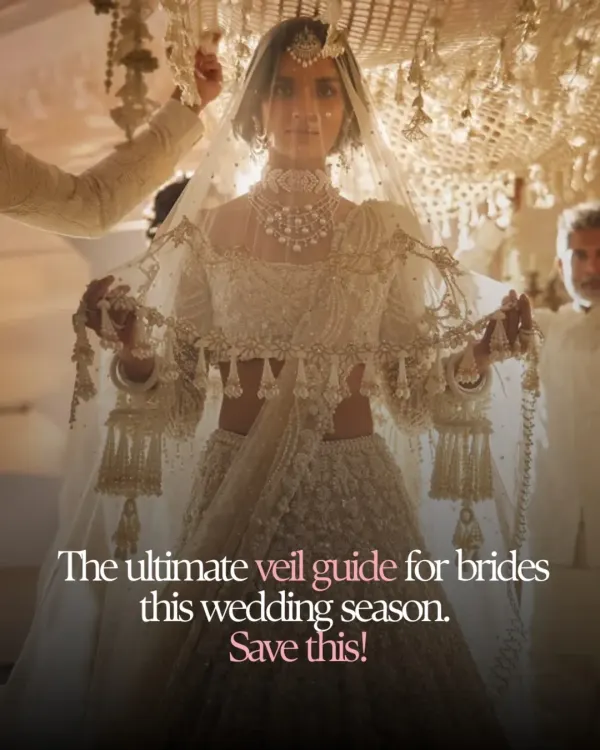
A veil does more than cover your head; it frames your face and sets the tone for your bridal entry. Let's find one that enhances your look without weighing you down.
Here are my do's, don'ts, and drama for achieving your veil goals. I cover everything from balancing a heavy lehenga with a lighter veil to choosing the right veil length for your silhouette.
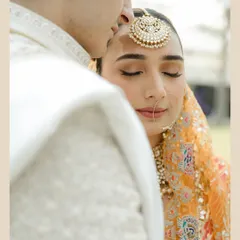
Hello new veil trends. Veils are no longer just an accessory; they are the jewel of the bridal ensemble, with artful embroidery, bold motifs, and monochromatic styling.
Here are five tips for choosing the perfect bridal dupatta. I discuss fabric, colour, border weight, and how to choose a style that complements your skin tone and face shape.
Here are five tips to choose the perfect veil. I'll guide you on how to match your veil to your dress type, hairstyle, and wedding location, and even how to personalize it.
About Bridal Veils: Do's, Don'ts & Drama
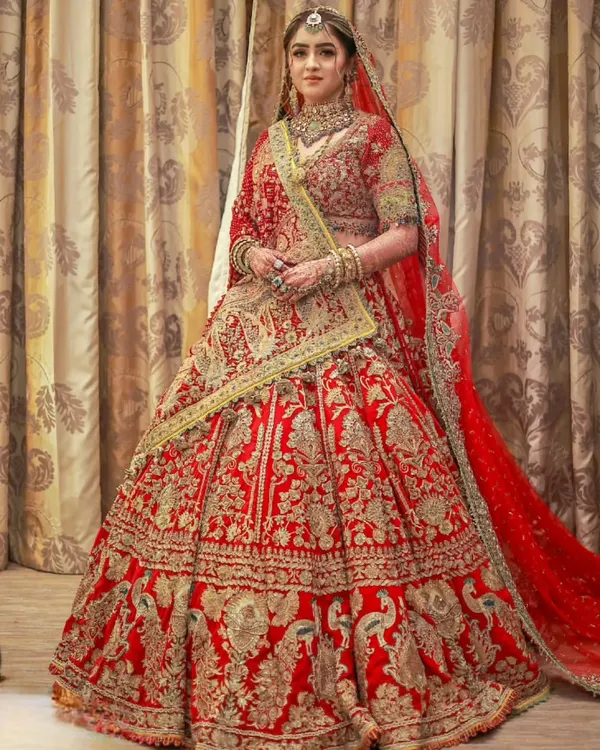
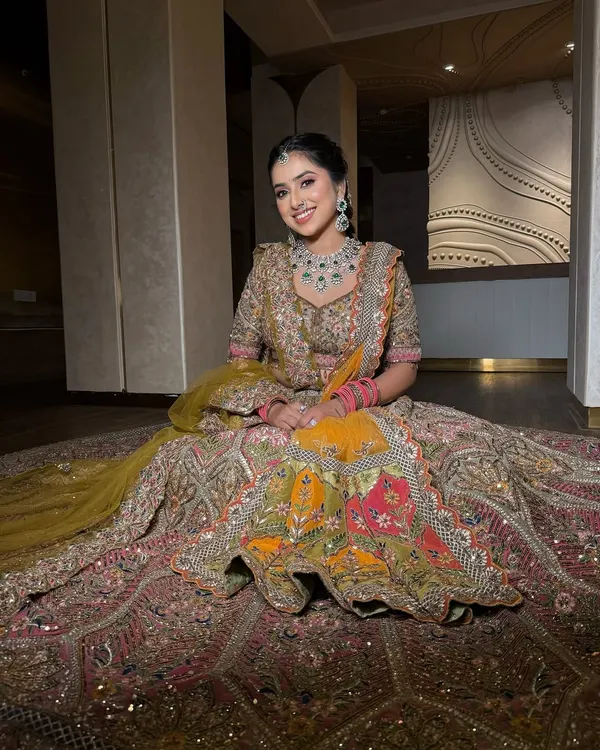
If you are wearing a heavy lehenga, please skip the heavy dupatta on your head. They will compete for attention, and you will end up feeling burdened by the weight. Instead, opt for a sheer, lightweight net veil. It creates that dreamy, ethereal effect you want for your bridal entry while keeping you comfortable enough to enjoy your own wedding events without constantly struggling with heavy pins or neck strain.
Finding Your Perfect Veil
Choosing a veil is not just about aesthetics; it is about balance. Whether you are aiming for a royal look at a palace venue or something breezy for a beach wedding, your veil needs to be as functional as it is beautiful.
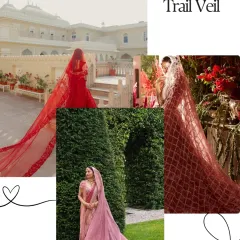
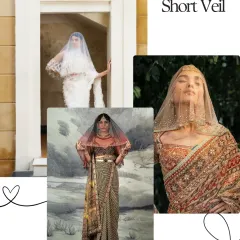
Balance your heavy lehenga: If your main lehenga is heavily embroidered, go for a veil with minimal borders or smaller motifs. A lighter veil ensures you can walk, bend, and twirl easily. If your silhouette is a classic flared lehenga, long, flowy veils work beautifully. For modern cuts like mermaid lehengas or capes, shoulder-length veils often look more polished without disrupting the outfit's lines.
Consider your hairstyle: Your hairstyle dictates your veil placement. If you are planning a low bun, a long veil can be secured easily at the back. For open curls or soft waves, I suggest a shorter, lighter veil so your hair remains the focus. Trying to pin a heavy, long veil on open hair often results in it slipping or feeling uncomfortable within an hour.
Location matters: Are you getting married at a beach? Stick to lightweight tulle. You want the veil to flow in the wind, not act like an anchor. For indoor palace weddings, you have the luxury of going for long, embellished cathedral veils that add that regal drama.
A winter wedding tip: If you are a winter bride, use a velvet dupatta as your main drape to keep you warm. You can still use a sheer, lighter net veil on your head for the traditional touch. This way, you stay cozy without sacrificing the bridal aesthetic.
Personalizing your veil with monograms or your wedding vows is a trend that adds genuine meaning to your outfit. DM me if you want help sourcing or styling the right veil for your silhouette.
Similar work from other experts
Browse through Curated picks from other experts on mytribe
Creative Dupatta Draping Styles for Lehengas and Sarees
 42
42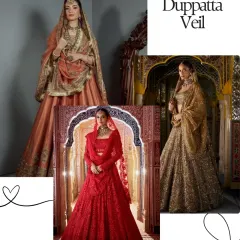
The Art of Accessorizing: Expert Styling Tips
 14
14
Professional Bridal Lehenga Draping and Styling
Bridal Hair Styling and Saree Draping in Delhi
 12
12
Expert Bridal & Reception Lehenga Draping
 17
17
The Art of Bridal Styling: Crafting Your Wedding Look
More from Bridal Styling & Trousseau Curation by Styling with Sunita
More services by Styling with Sunita