Removal of Common Skin Growths by Expert Dermatologist
Stubborn bumps like warts, milia, and DPNs are often harmless, but they can be a cosmetic concern. I use precise radiofrequency technology for safe, in-clinic removal.
This is a before and after of a filiform wart removal from the nose. I use radiofrequency for this, which is a simple, safe, and effective in-clinic procedure. It is performed under local anesthesia to ensure the process is completely painless.
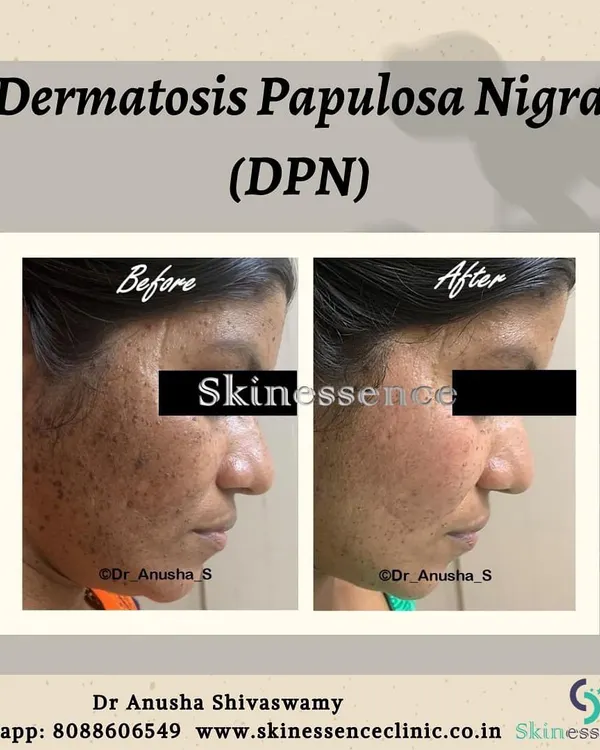
These small dark spots are called Dermatosis Papulosa Nigra (DPNs) and are a common cosmetic concern. This video explains what they are and how I treat them. It is crucial not to self-diagnose, as a professional can provide a safe and effective removal plan.
About Removal of Common Skin Growths
You might be tempted to treat these growths with home remedies or 'natural' creams, but I strongly advise against it to avoid the risk of scarring or hyperpigmentation. In my clinic, I use radiofrequency ablation, which is a quick, painless procedure performed under topical anesthesia. Whether you have a single wart or multiple DPNs, I ensure the surrounding healthy skin remains untouched for a clean, smooth result.
Understanding Skin Growths
Many of my patients come to me confused about small bumps on their skin. Often, these are benign (non-cancerous) growths that include:
- Warts: These can appear anywhere and are often caused by the Human Papillomavirus. They tend to proliferate, so early intervention is helpful.
- DPNs (Dermatosis Papulosa Nigra): Those small, dark spots often seen on the face and neck. While harmless, they can affect your confidence.
- Milia: Small, white cysts that often appear around the eyes or cheeks.
It is imperative that you do not self-diagnose. What might look like a simple mole or wart could sometimes be something else. A professional exam allows me to confirm exactly what the growth is before we decide on the best course of action.
The Radiofrequency Advantage
For the removal of these growths, I primarily use Radiofrequency (RF) technology. It is a precise method that allows me to remove the lesion without damaging the surrounding tissue.
The Procedure Process:
- Consultation: We start by analyzing the growth to ensure it is benign.
- Anesthesia: I apply a topical anesthetic cream about 30 to 45 minutes before the procedure, so you feel minimal to no discomfort.
- Removal: Using an RF device, I gently excise the growth. The process is quick, and for most patients, it feels like a slight pinch.
- Aftercare: I provide clear, simple instructions on keeping the area clean and protected from the sun to ensure optimal healing without marks.
If you have been struggling with these persistent spots, let us assess them properly rather than guessing with ineffective over-the-counter creams.
Similar work from other experts
Browse through Curated picks from other experts on mytribe
 6
6
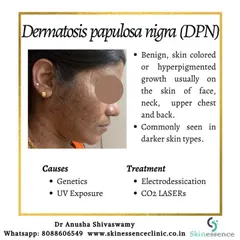
Safe Removal of Skin Tags & DPNs
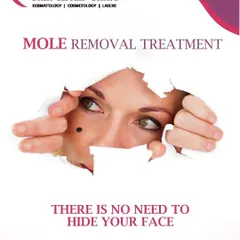
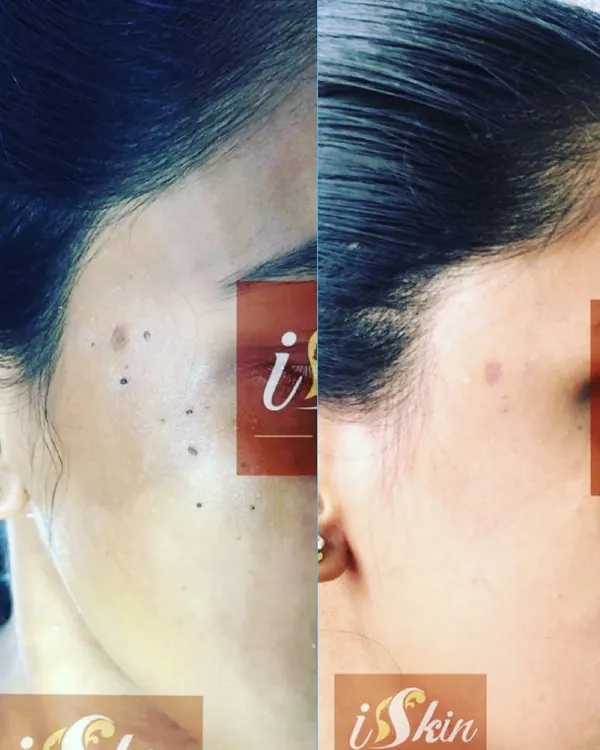
Professional Mole, Wart, and Skin Tag Removal
Safe Skin Tag and DPN Removal in Bangalore
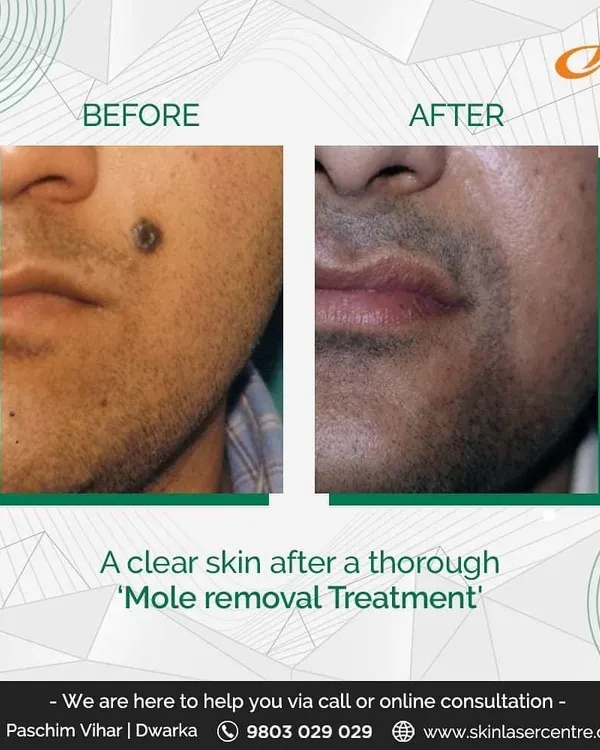 7
7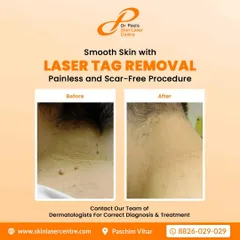
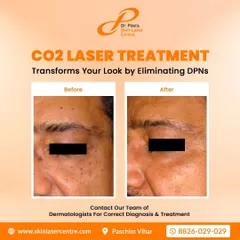
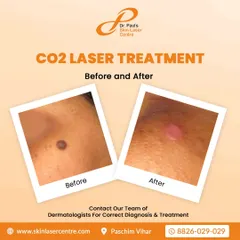
Removing Moles, Warts, and Skin Tags Safely with CO2 Laser
 5
5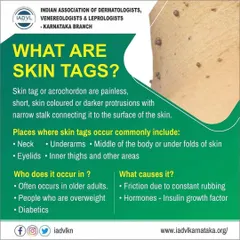
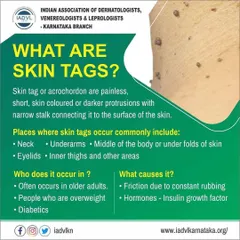
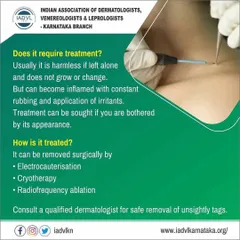
Mole, Skin Tag, and Spot Removal in Bengaluru

Safe Mole, Wart & Skin Tag Removal
More from Medical Dermatology by Nivedita Sashidhar
More services by Nivedita Sashidhar