Acne and Scar Correction Treatments
Acne is a medical condition that requires a structured, scientific approach. Explore how we manage breakouts and repair skin texture using evidence-based procedures.
Atrophic acne scars, which appear as depressions in the skin, are a primary focus of my practice. Here, we explore how they form, the different types, and the advanced treatments I use to restore smoother skin texture.
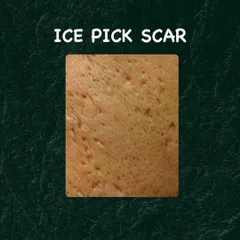
This visual guide breaks down the different types of acne scars I treat, from rolling and boxcar to ice pick and keloidal scars. Identifying the correct type is crucial for selecting the most effective treatment modality.
Acne scarring is graded based on severity, from flat marks to deep, noticeable scars. Understanding your grade helps us set realistic expectations and tailor a treatment plan that addresses your specific level of scarring.
I offer a wide range of treatments for both atrophic (depressed) and hypertrophic (raised) acne scars. This list outlines various options, from chemical peels and microneedling to surgical procedures, ensuring a customized approach.
For deep ice pick and boxcar scars, I use targeted procedures like Punch Excision and TCA CROSS. These techniques are designed to precisely treat individual scars, trading a deep scar for a much less noticeable, smaller one.
Subcision and dermal fillers are excellent options for treating depressed scars like rolling scars. Subcision releases the bands pulling the scar down, while fillers help to lift the area and restore lost volume for a smoother appearance.
Microneedling is a versatile treatment for skin rejuvenation and scar remodeling, especially effective for darker skin tones due to its low risk of pigmentation. It works by inducing collagen production to naturally repair and tighten the skin.
Understanding the different grades of acne, from comedones to cysts, is the first step in creating an effective treatment plan. This chart helps identify the severity of acne to determine the right course of action.
It's a myth that acne is just a cosmetic concern; it's a medical condition that can have a significant psychological impact. My approach addresses both the physical symptoms and the emotional well-being of my patients.
Popping pimples can worsen inflammation and lead to permanent scarring. This infographic explains why picking is a complete no, and how professional spot treatments are a much safer and more effective option.
About A Deep Dive into Acne and Scar Correction
Active acne must be fully controlled before we start any scar revision procedures. My protocol begins by stabilizing your skin, as jumping straight into laser treatments or TCA CROSS on inflamed breakouts can often lead to further pigmentation or irritation, which is why a thorough initial consultation is essential to define your path forward.
Acne is far more than a cosmetic concern, and treating it effectively requires understanding the medical 'why' behind the breakouts. In my HSR Layout practice, I categorize scars based on their structure—whether they are ice pick, rolling, or boxcar—because the treatment protocol depends entirely on the specific architecture of the scar. For deep, narrow ice pick scars, I frequently use TCA CROSS to encourage collagen remodeling from within. If you are struggling with rolling scars tethered by fibrous bands, subcision offers a way to release that tension and create a smoother surface.
For overall skin rejuvenation and texture, microneedling and fractional lasers are my go-to tools. These are particularly effective and safe for darker skin tones when performed with the right parameters. The journey to clearer skin is rarely an overnight fix. Most of my patients see meaningful, lasting progress over 3 to 6 months of consistent, evidence-based therapy. We always begin with a deep dive into your skin's history, ruling out underlying hormonal or lifestyle factors, before we even consider a procedure. My goal is to provide honest, realistic outcomes, focusing on long-term skin health rather than quick, temporary results.
Similar work from other experts
Browse through Curated picks from other experts on mytribe
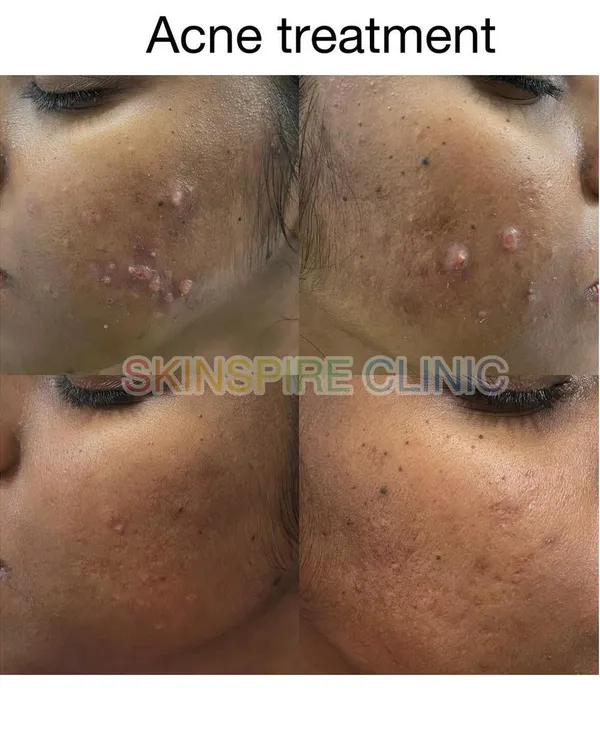 9
9
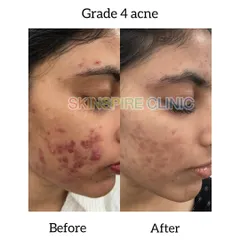
Clinical Acne and Scar Treatment Plans
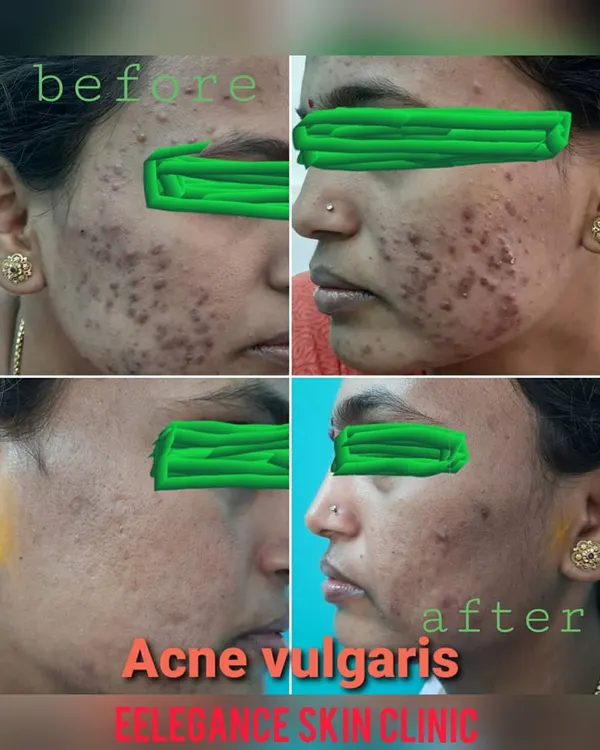
Acne and Scar Treatment in Bengaluru
 12
12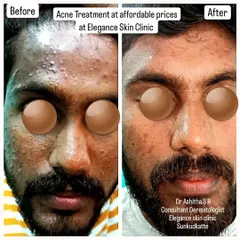
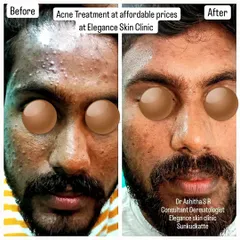
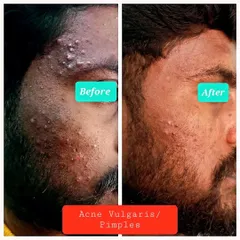
Effective Acne and Scar Treatment Plans
Science-Backed Treatments for Acne and Scar Reduction
Science-Backed Acne & Scar Solutions
Acne & Scarring Solutions
More from Cosmetic Dermatology Procedures by Poovamma A S
More services by Poovamma A S