The Science of Healthy Aging: Collagen & Retinoids
Understand the biology behind skin aging and how to build a routine that actually delivers results. I break down the science of collagen and retinoids to help you make informed decisions.
Collagen is the primary building block of our skin, providing structure and support. This diagram illustrates its crucial role within the skin's layers, acting like a frame to keep it firm and youthful.
Collagen degradation is a natural part of aging, with a 1% loss every year after our mid-20s. This infographic explains how this process leads to common signs of aging like wrinkles, sagging, and dryness.
Environmental factors like UV rays, pollution, smoking, and a high-sugar diet accelerate collagen loss. These factors create free radicals that attack and weaken collagen fibrils, compromising skin quality.
Boosting collagen production can be achieved through various methods. This includes using topical retinoids, undergoing in-office procedures like lasers and microneedling, and maintaining a protein-rich diet.
Retinoids are Vitamin A derivatives that are essential for anti-aging and treating acne. This chart explains the different forms, from gentle retinyl esters to potent retinoic acid, and how they work to speed up cell turnover.
Proper application is key to using retinoids effectively and minimizing irritation. I recommend starting slowly, using a pea-sized amount at night, and sandwiching it between moisturizers to protect the skin barrier.
Here are some of my recommended over-the-counter retinol products. These formulations are a great starting point for anyone looking to incorporate the anti-aging and skin-smoothing benefits of retinoids into their routine.
Our bodies contain many types of collagen, but Types 1, 2, and 3 are the most abundant. This guide breaks down where each type is found, from skin and bones to cartilage and blood vessels.
The benefits of healthy collagen extend beyond smooth skin to stronger joints, tendons, and ligaments. Its degradation can lead to wrinkles as well as other physical issues, highlighting its importance for overall health.
About The Science of Healthy Aging
When starting a retinoid, the sandwich method is my go-to recommendation for minimizing irritation. Apply a thin layer of moisturizer, let it absorb, apply a pea-sized amount of retinoid, and follow with another layer of moisturizer. This simple technique protects your skin barrier while allowing the active ingredients to work effectively.
Understanding Collagen Loss
Collagen is the protein providing our skin structure. It begins to degrade by about 1% annually once we reach our mid-20s. By 40, this loss accelerates, leading to visible changes like fine lines, loss of elasticity, and dryness. Environmental factors such as UV exposure, pollution, and high-sugar diets further contribute to this decline, weakening collagen fibrils over time.
The Role of Retinoids
Often considered the gold standard, retinoids are vitamin A derivatives that speed up cell turnover. It is important to remember that these are not magic overnight fixes. Whether you are using over-the-counter retinol or a prescribed retinoic acid, patience is key. It typically takes up to 12 weeks of consistent use to see meaningful results. A common mistake is using too much too soon; starting with a pea-sized amount twice a week allows your skin to adapt.
Important Safety Notes
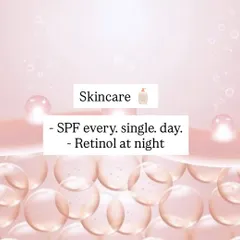
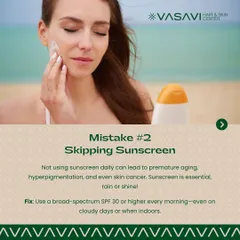
I always remind patients that retinoids are not safe during pregnancy or while breastfeeding. Additionally, they can increase photosensitivity, making consistent daily sunscreen use non-negotiable. If you are struggling with sensitive skin, eczema, or rosacea, we should discuss alternative approaches to achieve your goals. My focus is on evidence-based care, meaning we prioritize what works for your specific skin type and lifestyle rather than following trends.
Similar work from other experts
Browse through Curated picks from other experts on mytribe
Retinol and Anti-Ageing: Science-Backed Truths

Science-Backed Anti-Aging & Skin Health
Anti-Aging & Collagen Support: Evidence-Based Skin Care
Your Daily Skincare Blueprint
Your Guide to Healthy Aging
Decoding Skincare Ingredients: What Actually Works
More from Cosmetic Dermatology Procedures by Poovamma A S
More services by Poovamma A S