Dog Socialization and Confidence Building
Help your dog navigate the world without stress. Learn how to build genuine confidence and calm, controlled neutrality around other dogs and people.
This is NOT proper socialization. Letting dogs rush up to each other on leash can lead to tangled leashes and potential fights. A well-socialized dog is one that can remain calm and neutral around others.
If you want to introduce your dog to another dog, here's the right way to do it. Always ask the other owner first, keep initial interactions very brief, and then gradually start walking together at a distance. The goal is calm coexistence, not forced play.
Please stop holding your hand out for a dog to sniff. It can be seen as threatening. Instead, stand still and let the dog choose to approach and investigate you. I always want my dog to have a choice and not feel forced into an interaction.
There's nothing like "forest therapy" to lift everyone's spirits. A walk in nature is one of the best places to practice socialization, teaching dogs to be calm and neutral around each other in a low-stress environment.
Here are my dog Bruce and his friend Rover having some fun together. This is what can happen when dogs are socialized correctly. They learn to play and interact in a healthy, positive way.
About Socialization & Confidence Building
Most people think socialization means letting their dog run up to every other dog, but that often leads to over-excitement and leash reactivity. At SAGA, we focus on teaching your dog 'neutrality'—the skill of remaining calm, focused on you, and comfortable in public spaces without feeling the need to engage with every distraction they encounter.
True socialization is about teaching your dog how to handle the world, not just how to play. Whether your pup is a nervous puppy or an adult dog struggling with reactivity, our approach is always force-free and step-by-step. We never force interactions. Instead, we use distance and engagement to help your dog feel safe.
In our group sessions at The Run in Yelahanka, we work on controlled exposures. If your dog barks or lunges, it is usually because they are overwhelmed. We help them find their confidence through small, successful steps. We practice these skills in real-life settings, moving from the quiet of your home to the busy streets of North Bangalore.
I always recommend starting with basic neutrality. By the time we reach group settings, your dog will know how to relax around other dogs and people, making every outing a treat rather than a chore. Our group classes are limited to 10 puppies, ensuring that every dog gets the attention they need to succeed.
Similar work from other experts
Browse through Curated picks from other experts on mytribe
Socialization & Group Training for Calm, Neutral Dogs
Social Skills for Dogs: Force-Free Training in Gurgaon
Socialization: Building Worldly Pups
Building a Confident, World-Ready Puppy
Building Confidence for Anxious or Reactive Dogs
 6
6
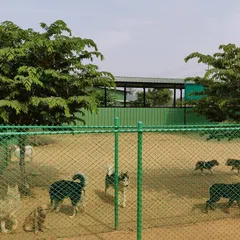
Effective Canine Socialization and Pack Dynamics
More from Dog Obedience Training by Gourav Vartalur
More services by Gourav Vartalur