AI in Our World: Understanding the Future
Artificial Intelligence is no longer just a concept from science fiction; it is the engine driving our modern world. From smart homes to autonomous vehicles, we help students decode exactly how these systems observe, learn, and react.
Artificial intelligence is already a part of your daily life, especially in newer car models. This graphic highlights the many AI-powered features, from entertainment systems to safety alerts, that are becoming standard in modern vehicles.
This visual breaks down specific applications of AI in cars, including automated braking systems, parking assistance, and lane guidance. We teach the principles behind these technologies, giving students insight into the world of autonomous systems.
AI is revolutionizing education by enabling personalized learning paths for every student. At RoboGenius, we use a similar adaptive approach to ensure each child learns at a pace that is right for them, building confidence and mastery.
One of the most powerful applications of AI in education is its ability to create customized learning tools for children with different needs. This highlights our belief that technology should make education more inclusive and accessible for everyone.
From turning on lights to playing music, voice-activated home assistants are a prime example of everyday AI. In our courses, kids learn the fundamentals of voice recognition and command-based programming that power these smart devices.
Did you know the journey of voice assistants began with IBM's Simon in 1994? We explore the history of AI to give students context and show them how far technology has come, inspiring them to build the next generation of smart tools.
AI is not just for gadgets; it can solve major real-world problems. BrainBox AI is a technology that optimizes energy use in buildings, and we use examples like this to teach students about machine learning's role in sustainability and efficiency.
This image shows how a central AI system can manage a building's functions to reduce its carbon footprint. It's a perfect example of how we connect coding and robotics to larger concepts like environmental science and smart city development.
Meet Sophia, a social humanoid robot that represents a major milestone in artificial intelligence. We discuss breakthroughs like this to spark curiosity about human-robot interaction and the future of advanced AI.
Sophia's ability to mimic human expressions is powered by complex AI technology. This fact helps our students understand the connection between coding, machine learning, and creating robots that can interact with people in a natural way.
About AI in Our World
Our approach moves beyond theory, focusing on how machines process data to 'see' and 'act' in the real world. We use Python and LEGO Spike Prime hardware to bridge the gap between abstract AI concepts and functional systems, allowing students to build working prototypes like voice-activated home assistants and autonomous navigators.
How We Bridge Theory and Practice
At RoboGenius, we believe AI is a playground for curiosity. We move students from passive consumers of technology to active creators by focusing on the 'why' behind the code.
Key Areas of Focus:
- Autonomous Systems: Students study the logic behind self-driving vehicles and navigation, applying these principles to robotics projects that must detect and avoid obstacles.
- Voice and Pattern Recognition: We demystify how smart devices understand commands. Kids learn the fundamentals of voice processing by building their own interactive chatbots and home automation scripts.
- Inclusive Design: We explore how AI is used to create assistive technologies, teaching students that coding can be a powerful tool for social good and accessibility.
The RoboGenius Methodology
We do not lecture; we engineer. Whether it is a 6-year-old learning the basics of how a smart speaker works or a teen building a machine learning model, our programs are project-based. Students in our Python AI & ML Foundation course, for example, build 7 functional projects, ensuring they have a portfolio of work rather than just a certificate of attendance.
By integrating hardware like sensors and micro-controllers, students see the immediate physical result of their code. They aren't just memorizing syntax; they are building tools that interact with the physical world, just like the technologies they see around them in Gurugram and beyond.
Similar work from other experts
Browse through Curated picks from other experts on mytribe
 26
26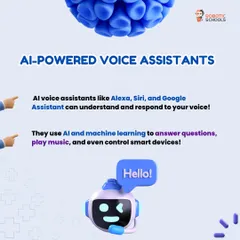
Understanding the World of Tech: Robotics and Coding Basics for Kids
Coding, Robotics, and AI Classes for Kids
 27
27
Hands-on Tech Courses and Robotics Programs
 5
5
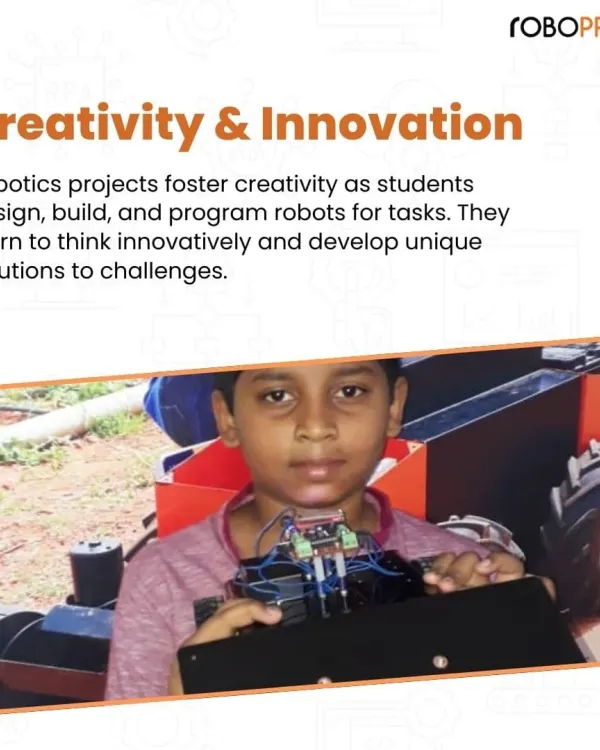
Student Robotics Projects and Coding Innovations
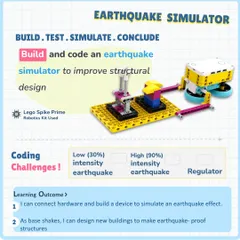

Robotics & Coding Projects Made by Kids
Future-Ready: The AI Geni Course
More from AI & Machine Learning for Kids by RoboGenius
More services by RoboGenius