Traffic and Vehicle-Related Legal Guidance
Traffic laws in India are complex, ranging from simple challans to serious IPC charges. I break down the rules, penalties, and your specific rights to help you handle violations with clarity.
Legal Provisions for Hit-and-Run Cases. Under Section 304A of the IPC, causing death by negligence, including in hit-and-run cases, can lead to imprisonment. Drivers can also be charged under Sections 279 (rash driving) and 338 (causing grievous hurt).
The Serious Consequences of Drunk Driving. Driving under the influence and causing death is an aggravated offense under Section 304(II) of the IPC. If it's proven the driver knew their actions could cause death, the punishment can be imprisonment for up to 10 years.
Legal Responsibility in Juvenile Driving Cases. When a minor is involved in a driving offense, the case falls under the Juvenile Justice Act. Parents or guardians can also be held liable under the Motor Vehicles Act for permitting the minor to drive, facing fines and imprisonment.
Penalties for Guardians in Juvenile Driving Incidents. The Motor Vehicles Act prescribes strict penalties for a vehicle owner or guardian who allows a minor to drive. This can include a fine of up to Rs. 25,000, imprisonment for up to three years, and confiscation of the vehicle.
Disputing an Unfair Towing Charge. If you believe your vehicle was towed unfairly, you have the right to dispute the charge in court. I can advise you on the legal process for challenging the fine, though it's important to note the fine usually must be paid upfront.
Understanding the Legal Drinking Age in India. Alcohol consumption laws vary by state. This guide provides a quick reference for the legal drinking age in different parts of India, including states like Goa where the age differs for beer and hard liquor.
About Traffic and Vehicle-Related Offenses
Getting your vehicle back from police custody involves the Superdari process, which is often more confusing than the challan itself. You do not just pay a fine and drive away. There is a specific legal application process that must be filed before a Magistrate to prove ownership and compliance. I help clients draft these release applications to avoid unnecessary delays at the police station.
Traffic violations in India can quickly escalate from minor fines to complicated criminal proceedings under the Motor Vehicles Act and the Indian Penal Code (IPC). Whether you are dealing with a standard traffic challan or a severe situation like a hit-and-run or DUI, understanding your specific legal standing is critical to protecting your future.
Understanding Your Situation
Many clients approach me when they feel overwhelmed by the interaction with law enforcement. My focus is to translate the legal language of the FIR or the notice into plain English. If you are facing a charge under Section 279 for rash driving or Section 304A regarding negligence, we must first assess the specific facts. These are not merely 'traffic tickets' but criminal allegations that require a formal, strategic response.
Juvenile Driving and Guardian Liability
Under the Motor Vehicles Act, the legal burden for juvenile driving is strict. If a minor causes an accident, the guardian can be held liable, facing heavy fines, vehicle confiscation, and even potential imprisonment. Parents often reach out to me to understand how to structure their defense and mitigate these penalties during proceedings before the Juvenile Justice Board.
The Process of Representation
- Challan Dispute: If you believe a violation was recorded incorrectly, we examine the grounds for contestation in the Traffic Court.
- Vehicle Release (Superdari): For seized vehicles, I manage the drafting and filing of release applications to the Magistrate, ensuring all compliance documents are in order.
- Representation: I handle police station interactions and Magistrate appearances, allowing you to avoid direct, stressful confrontations with officials.
Legal issues on the road are stressful, but they are manageable when you know the procedure. My goal is to guide you through the process, from the first notice to the final court hearing.
Similar work from other experts
Browse through Curated picks from other experts on mytribe
Know Your Rights: Traffic Laws and Vehicle Rules in India
 8
8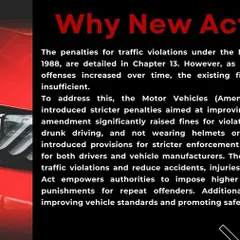
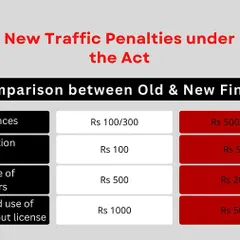
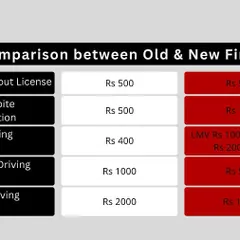
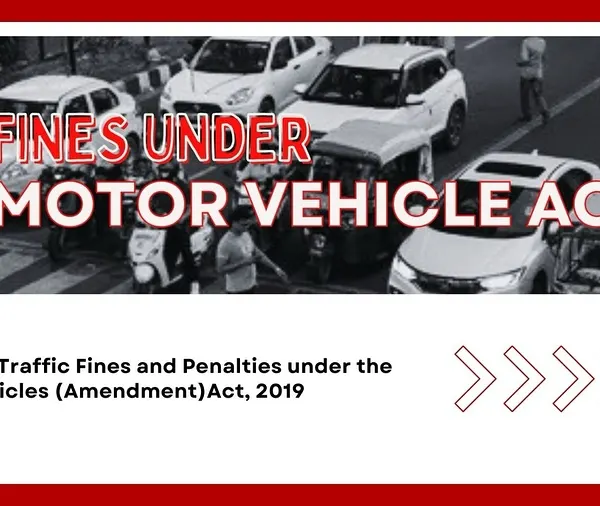
Understanding the Motor Vehicles (Amendment) Act, 2019
Key Concepts in Indian Criminal Law
General Criminal Law Explained: Know Your Rights Simply
Know Your Rights: Practical Legal Explanations
Understanding Bharatiya Nyaya Sanhita (BNS) Laws
More from Criminal & Traffic Law by Prateek Chandramouli
More services by Prateek Chandramouli