Positive Pet Training Guides
Teaching your furry friend doesn't have to be a struggle. We use gentle, positive reinforcement techniques—no punishment, just effective communication to build a bond that lasts.
We believe training should be a positive experience for you and your pet. This guide introduces our simple, five-step approach to effective pet training, built on a foundation of trust and clear communication.
A clicker is a simple yet powerful tool for positive reinforcement. This tip explains how to use a clicker to mark the exact moment your pet performs a desired behavior, making your training signals clear and effective.
Using a clicker helps your pet understand precisely what they did right. We show you how this simple device can speed up learning and strengthen the bond between you and your pet during training sessions.
Clear and consistent commands are the foundation of good training. We advise using simple, one-word cues like "Sit" or "Stay" to avoid confusing your pet and ensure they understand your expectations.
Simplicity is key when teaching your pet new commands. This visual demonstrates how using clear, single-word commands helps your dog or cat learn faster and respond more reliably.
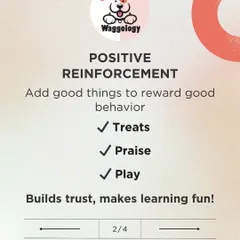
Immediate rewards are crucial for reinforcing good behavior. This image illustrates the importance of rewarding your pet with a treat or praise the instant they follow a command, creating a strong positive association.
A well-timed reward makes all the difference in training. We explain that rewarding your pet immediately after a correct action helps them connect the behavior with a positive outcome.
Consistency is what makes training stick. This tip emphasizes the need for short, consistent daily practice sessions to help reinforce commands and make good behavior a habit for your pet.
Daily practice solidifies learning and strengthens your bond. We recommend incorporating brief training exercises into your daily routine to keep skills sharp and reinforce good habits.
We advocate for training methods that build trust, not fear. This guide explains why you should avoid punishment and instead redirect or ignore unwanted behavior to encourage a positive learning environment.
About Positive Pet Training Guides
The secret to a well-behaved pet isn't dominance; it's clarity. Our 5-step training framework focuses on consistency and timing, using simple clickers and immediate rewards to bridge the communication gap. Whether you're struggling with a stubborn pup or a cat that won't listen, these steps turn daily practice into bonding sessions rather than chores.
Why Positive Reinforcement Works
Punishment creates fear, but rewards build trust. At Pethowz, we believe that every 'good boy' or 'good girl' moment should be marked clearly. By using tools like clickers to signal the exact second your pet performs a desired action, you remove the guesswork from their learning.
What You'll Learn
Our guides take you beyond basic obedience:
- The Clicker Method: Learn how to mark specific behaviors so your pet understands exactly what they did right.
- Clear Commands: Stop shouting generic words. We show you how to use single-word cues like 'Sit' or 'Stay' that your pet can actually process.
- Behavioral Redirection: Instead of scolding, learn how to ignore or redirect unwanted behaviors, which is far more effective for long-term habit building.
- Daily Practice: Training isn't a weekend project. We provide templates for 10-minute daily sessions that fit into your busy schedule.
Need more than just a guide? Our Digital Pet Parenting Toolkit provides the full breakdown, or you can book a 45-minute virtual session with a senior handler to audit your home environment and troubleshoot specific issues like separation anxiety or leash pulling.
Similar work from other experts
Browse through Curated picks from other experts on mytribe
Practical Training Tips: Force-Free Methods for a Calmer Dog



My Positive Dog Training Philosophy & Practical Tips


Build a Bond Based on Trust, Not Just Commands
Practical Dog Training Techniques at Home
Essential Skills for a Well-Mannered Dog
My Philosophy: A Kinder Approach to Dog Training
More from Pet Parent Education by Pethowz
More services by Pethowz