Nutrition Fundamentals: The 'Why' Behind the Bowl
Feeding your dog goes beyond just filling a bowl. It is about energy, longevity, and health. We break down the essentials—proteins, fats, and carbs—to help you build a bowl that actually supports your dog's unique needs.
Dog nutrition can be confusing, so let's start with the fundamentals. A balanced diet requires six key elements: protein, fat, vitamins, minerals, carbs, and water. I explain the role of each and how the requirements change for puppies, adults, and senior dogs, emphasizing that a one-size-fits-all approach never works.
Fresh food versus kibble is a big debate. I break down the pros and cons of both. Fresh food offers superior quality and moisture, while kibble offers convenience. However, the high processing and lack of moisture in kibble can cause long-term issues. The choice depends on your priorities for your dog's health.
I often see pet parents trying to make their dogs vegetarian. While dogs are omnivores, they are not designed to live on plant protein alone. Foods like dal are high in carbohydrates and low in the essential animal-based proteins dogs need. A balanced diet with chicken, fish, or turkey is crucial for a long and healthy life.
More protein is not always better. I share the story of Pluto, a dog who was gaining weight despite a high-protein diet. Unused protein converts to fat, making a dog lethargic. I redesigned his diet with the right amount of protein, fiber, and healthy fats, and he is now energetic and at a healthy weight.
Is your dog feeling lethargic? It could be a lack of good fats in their diet. I explain the difference between good fats like those in lean meat, fish oil, and coconut oil, and bad fats from processed foods. The right fats are essential for energy, brain function, and a healthy skin and coat.
Do dogs need carbohydrates? Yes, but in moderation and from the right sources. Good carbs from sweet potato, pumpkin, or quinoa provide quick energy and help transport nutrients. I explain why you should avoid carbs from sources like dal or wheat, which are difficult for dogs to digest.
Fiber is a necessary part of your dog's diet, but the amount is critical. I explain the two types of fiber, soluble and insoluble, and their sources like pumpkin, apples, and brown rice. The right balance, about 2 to 5 percent of their diet, supports digestion and gut health without causing adverse effects.
Omega-3 fatty acids are a game-changer for your dog's health. They promote healthy skin, support joints, boost the immune system, and aid kidney and heart function. I share the story of Brownie, whose itchy skin cleared up in three months after I introduced fish oil into her diet.
Lethargy, dry skin, or frequent infections can be signs of vitamin deficiencies. I explain how to spot the signs of low Vitamin B for energy, A and E for skin, C for immunity, and D for bone strength. Observing your dog closely is the first step to correcting their diet.
Are you giving your dog eggs every day? While eggs are a great source of protein, they are also high in calories and cholesterol. I explain the risks of overfeeding, including allergies, and provide clear guidelines on how many eggs to give based on your dog's size, always cooked, never raw.
About Nutrition Fundamentals: The "Why" Behind the Bowl
Before you change a single ingredient, look at your dog's activity levels. Many pet parents make the mistake of feeding high-protein diets to sedentary dogs, which only leads to weight gain and lethargy because the excess isn't being burned. Start by auditing your dog's current daily energy output, as a working dog needs a vastly different protein-to-fat ratio than a senior dog spending most of his day on the sofa.
Understanding The 'Why'
Most people assume feeding is just about quantity. Kya khila rahe ho apne dog ko (What are you feeding your dog) matters more than how much. When we talk about nutrition, we are talking about your dog’s long-term health, skin condition, and energy levels.
The Protein Trap
It is easy to think more protein equals a stronger dog, but that is a dangerous myth. If you feed high-protein meals to a dog who spends all day indoors, that extra protein does not build muscle. Instead, it turns into fat. I have seen many cases where dogs are lethargic simply because their protein-to-activity ratio is completely mismatched.
Good Fats vs. Bad Fats
Not all fats are equal. Processed fried foods are bad fats that invite obesity and sluggishness. Good fats, however, are the engine of your dog's diet. Sources like coconut oil, fish oil, and lean meats provide the energy they need and keep their coat shiny and brain function sharp.
Carbohydrates: The Transport Engine
Dogs are omnivores, but they burn fat better than carbohydrates. Carbs like sweet potato, pumpkin, or quinoa are useful for quick energy, but they should never be the base of the diet. Avoid excessive grains or wheat, which can cause digestive issues or skin rashes.
The Water Factor
Water is the most overlooked nutrient. It carries every other nutrient to where it needs to go. If your dog is on a dry kibble diet, they are likely chronically dehydrated. Fresh, home-cooked food is naturally moisture-rich, which is why I always emphasize transitioning to fresh meals.
Similar work from other experts
Browse through Curated picks from other experts on mytribe
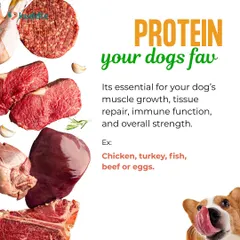
Balanced Dog Diet Plans: Expert Nutrition Guide
 21
21


Nutrition 101: A Simple Guide to Feeding Your Dog
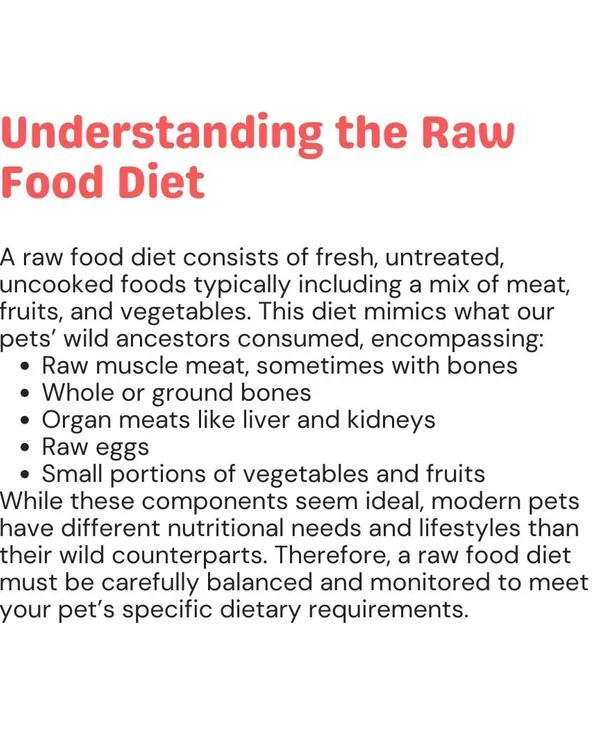 10
10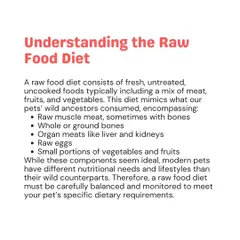
Expert Nutrition and Diet Advice for Your Pet
Canine Nutrition: Simple Homemade Recipes for Your Dog
Practical Pet Nutrition Tips and Feeding Guides



Expert Pet Care and Nutrition Advice
More from Dog Nutrition Consultation by Asha Arun
More services by Asha Arun