Expert Dog Boarding Insights from Our Farm in Delhi
I don't just board dogs; I live with them. Here is the raw reality of responsible pet care, from diet management to handling separation anxiety, based on years of experience on our farm.
Every dog has unique dietary needs. While our staple is fresh-cooked chicken, rice, and veggies, we customize meals for picky eaters or those with specific requirements, from rotis with desi ghee to paneer and eggs. We can prepare almost any home-cooked meal to make your dog feel at home.
It might sound funny, but monitoring every dog's poop is a critical part of our health check routine. If we notice loose stools, we take immediate action with remedies like Isabgol or Metrogyl and ensure they are hydrated, preventing minor issues from becoming major problems.
Following up on poop monitoring, we also check for blood or mucus. This can indicate a need for deworming or a dietary intolerance to something like chicken. By observing closely, we can make quick adjustments to their diet or care to maintain their gut health.
Detecting a fever in a dog requires careful observation. A change in activity level can be a key sign. I explain how we monitor dogs, check their temperature, and what steps we take, including administering general medicines and consulting our on-call vet if a fever is above 103°F.
When a dog vomits, it's important to know the difference between undigested food and yellowish bile. The latter is a sign of gastric issues. I explain our protocol: administering medicine like Zymopet, waiting an hour, and then offering a light meal like curd rice.
As a boarder, I am prepared for any situation. We perform daily tummy checks and monitor food intake to catch gastric issues early. Having general medicines on hand allows us to provide immediate first aid, ensuring the dog's comfort and safety.
Pet parents often ask about our emergency procedures. I explain our three-tiered system: a stock of first-aid medicines, doctors on call, and a nearby 24-hour hospital. Your dog's health and safety are my absolute top priority.
What is the difference between cage-free home boarding and a kennel system? The answer lies in what you want for your dog. I believe dogs need to socialize and live freely to be happy, which is why I champion the home boarding model over confinement in a kennel.
Why is a trial stay so important? I use the analogy of a child's first day at boarding school. A brief visit with you doesn't prepare them for your absence. A proper trial stay allows them to acclimate to the space and our routine without you, which is crucial for a stress-free long-term stay.
Should you bring your dog's toys and bed to the boarding? I advise against it for social dogs, as possessiveness can lead to fights. Here, dogs have live friends to play with, which is far more enriching than any toy.
About Expert Insights from the Farm
You might think a boarding place is just about supervision, but we treat it as a medical and emotional science. We check every dog’s stool daily to catch health issues before they escalate. If a dog has loose stools or shows signs of blood, we don't wait; we adjust the diet or administer basic medicine immediately. This level of detail is how we ensure your dog stays healthy while you are away.
Responsible dog care is about understanding what happens after you leave your pet with us. Whether you are choosing between a kennel or cage-free boarding in Chattarpur, there are core principles you should know.
Health & Monitoring
We believe in proactive care. We monitor everything from food intake to body temperature. If a dog is lethargic or stops eating, we don't just wait. We have a routine: check the temperature, check for gastric bloating, and provide immediate first aid if needed. You should know how to do this too—keep a thermometer handy, and know the basics of canine fever management.
The Reality of Drop-Offs
Many parents linger at the gate, thinking they are helping their dog settle. They are not. Lingering creates anxiety. A quick, clean drop-off allows your dog to start exploring and sniffing their new environment immediately. This is why we insist on a trial stay—it gives your dog a chance to experience the farm without you, making their actual vacation stress-free.
Nutrition as Care
Every dog is an individual. We don't stick to a rigid dry-kibble diet. If your dog needs rotis with desi ghee, paneer, or curd rice, we make it. Our farm approach is about replicating the home environment, not just providing a roof.
Why Socialization Matters
Dogs are social animals. We encourage pack play because it burns energy and builds confidence. If your dog is anxious, we use slow, gradual socialization in neutral territory. We avoid force and let them open up at their own pace. If you want your dog to just be a dog, this is the environment they need.
Similar work from other experts
Browse through Curated picks from other experts on mytribe
 5
5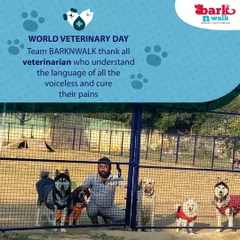


Compassionate Dog Care and Boarding Services
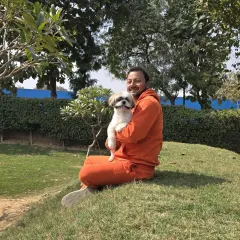
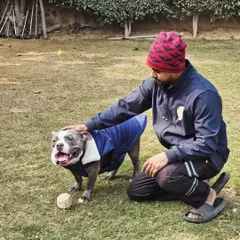
Building Trust Through Personalized Dog Care
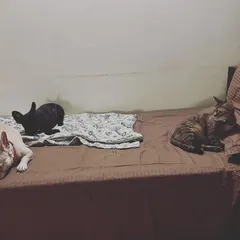
A Harmonious Household: Where Cats and Dogs Coexist
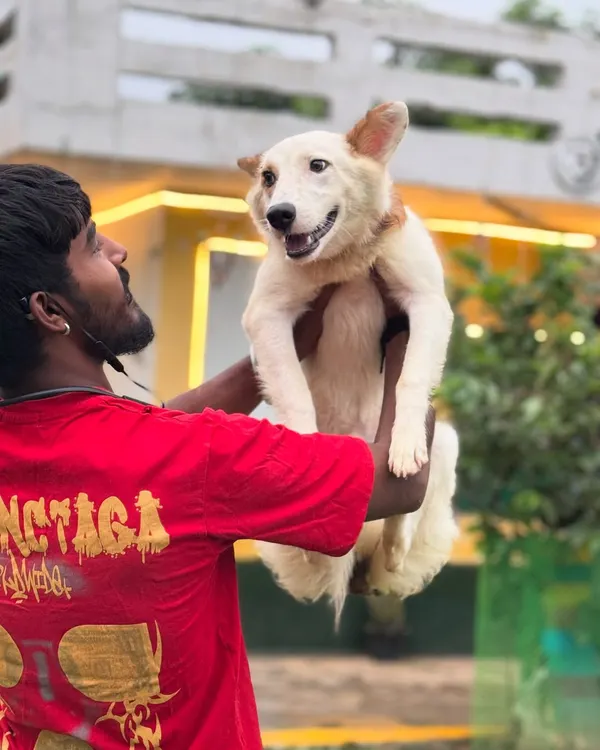 53
53Cage-Free Dog Boarding with Constant Affection
 21
21


Practical Tips for Raising Happy Pets in Delhi
Cage-Free Dog Boarding and Behavioral Care
More from Cage-Free Dog Boarding by Asha Arun
More services by Asha Arun