Understanding the Science of Conception
Nature follows its own timeline. Let us look at the biology behind your fertility journey so you can stop guessing and start planning with intention.
Facing fertility issues can be daunting, but it is important not to assign blame. By learning the science of conception, you can make informed decisions, understand your body better, and increase your chances of conceiving.
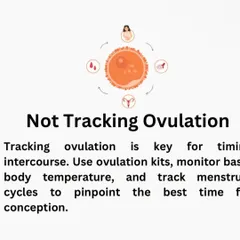
Tracking your cycle is one of the most empowering things you can do when trying to conceive. This infographic details the key signs of ovulation to monitor, from cervical mucus changes to shifts in basal body temperature.
Did you know your fertile window is only about 5 to 6 days each month? Understanding when you ovulate allows you to conceive naturally and effectively, without relying on guesswork or unnecessary interventions.
Your body gives you subtle clues about early pregnancy. This guide lists the common symptoms, such as a missed period, sensitivity to smells, and sore breasts, that might prompt you to take a pregnancy test.
Once you have conceived, one of the first questions is "when is the due date?". This simple chart helps you estimate your baby's arrival based on the first day of your last period or the date of conception.
About Understanding Your Body: The Science of Conception
Trying to conceive is not just about timing; it is about understanding your body's unique signals. Most couples miss their fertile window because they rely solely on calendar apps rather than biological cues like cervical mucus changes and basal body temperature. Once you learn to interpret these signs, the guesswork stops, and you regain control over your timeline.
Many believe that conception is a random event, something that just happens. Vishwas kariye (believe me), nature is not random; it is highly precise. When you understand your fertile window—that 5-6 day period—you move from passive waiting to active participation.
The Reality of Tracking
Apps are tools, but they are not your body. You need to look for real-time data:
- Basal Body Temperature: A slight shift indicates ovulation has occurred.
- Cervical Mucus: Your body’s built-in indicator. Changes in consistency are the clearest signal you have.
- Taste and Smell: Do not dismiss heightened sensitivity; your body is communicating changes internally.
Stop the Blame Game
I see so many couples caught in a cycle of stress and blame. If things aren't happening immediately, it does not mean your relationship is failing or your body is broken. It means you need to step back, audit your lifestyle—laptop heat, sleep quality, stress—and ensure you are both genuinely prepared. A baby is a conscious choice, not a quick fix for life’s challenges. Whether you are in Bengaluru or elsewhere in India, my masterclasses provide the scientific framework to help you navigate this phase without the unnecessary noise.
Similar work from other experts
Browse through Curated picks from other experts on mytribe
 6
6
Your Path to Conception: Ayurvedic Fertility Support in Bangalore
 7
7


Fertility Diet Plans for Reproductive Health
 4
4

Understanding Your Pregnant Body and Anatomy
 6
6


Prenatal Wellness & Fertility Support

Understanding Women's Hormonal Health and Wellness
Conscious Pregnancy Journey Guidance for Modern Parents
More from Fertility & Pre-Conception Coaching by My Shishu
More services by My Shishu