Fertility Planning: Real Talk, No Judgment
Trying to conceive, thinking about your timeline, or just want to understand your body better? We are here to cut through the noise with facts, not pressure. Let us map out your fertility journey, together.
If you're trying to conceive, knowledge is your greatest asset. Here are four key things you should know about your fertility to help you plan your journey with confidence.
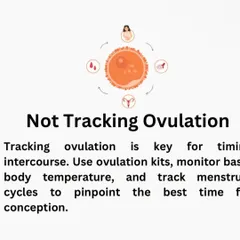
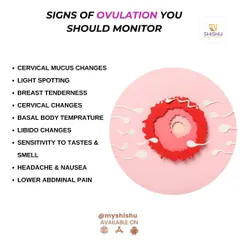
The first step is to know your cycle. Understanding what's normal for your body and identifying your most fertile days is the best way to know when you have the highest chances of getting pregnant.
Get tested and get informed. I recommend a full hormone and fertility work-up for both you and your partner. Remember, about 50% of infertility cases involve male factors, so a complete picture is essential.
This might seem obvious, but it's important to have enough sex around your most fertile days, not just on the day of ovulation. This maximizes the window of opportunity for conception.
Lifestyle matters for both you and your partner. Nutrition, stress levels, and sleep quality are all factors that can significantly affect fertility. Making positive lifestyle changes together can make a real difference.
This is a general timeline of female fertility. While the chances of getting pregnant are highest from a physical perspective between 18-24, knowing how fertility changes over time helps you plan proactively.
The Anti-Müllerian Hormone (AMH) test is a simple blood test that indicates your ovarian reserve, or egg count. It's a game-changer for planning pregnancy timelines, assessing fertility potential, and helping diagnose issues like PCOS.
How do you know if you have a hormonal imbalance? Symptoms like irregular periods, unexplained weight gain, or acne can be signs. Since hormones drive ovulation, getting a comprehensive Fertility Assessment is a simple way to understand your health.
The irony of sex education is that it's so focused on avoiding pregnancy, we're often unprepared for how challenging it can be to actually conceive. If you're trying, you're not alone in feeling like you missed the memo.
It takes two to tango. In this video, one of our fertility specialists explains why sperm quality is just as important as egg quality and what a semen analysis test reveals about sperm count, morphology, and motility.
About Fertility Planning for All
Often, fertility conversations start and end with women, but 50% of conception challenges involve male factors too. We look at the full picture—hormone health for you and semen analysis for your partner—so you are not guessing or blaming. Whether you are planning for tomorrow or freezing your eggs for the future, we prioritize data-driven, judgment-free clarity over generic advice.
Why Proactive Fertility Planning Matters
Navigating fertility in India often feels like a mix of unsolicited advice and outdated stigma. You are told to relax or wait, but your biological reality does not always wait. At our clinics in Bangalore—from Indiranagar to HSR Layout—and via online consults, we strip away the shame.
What the Full Picture Looks Like
Fertility is not just about the egg. It is about:
- Hormonal Health: We assess your AMH (Anti-Müllerian Hormone) and thyroid levels to understand your ovarian reserve and cycle regularity. It is a simple blood test that tells us where you stand today.
- Male Factor Inclusion: Half of the time, sperm quality is part of the equation. We encourage couples to test together. Sperm count, motility, and morphology are crucial metrics, not just female issues.
- Lifestyle and Nutrition: We do not just hand out pills. We discuss how your sleep, stress, and nutrition—like zinc and vitamin-rich foods—impact your chances.
- Timeline Reality: We walk you through your biological clock without scare tactics. Whether you are 24 or 38, we provide a realistic roadmap so you can choose when to start a family, or when to freeze your eggs.
Our Approach to Care
You will never walk into a cold, hospital-like environment here. Our clinics are designed to be private and comforting. Our doctors are trauma-informed and queer-affirmative, ensuring that no matter your marital status or background, your goals are respected. We give you the facts, walk you through the diagnostic data, and help you decide the next step.
Similar work from other experts
Browse through Curated picks from other experts on mytribe

Understanding Common Fertility Challenges
 6
6

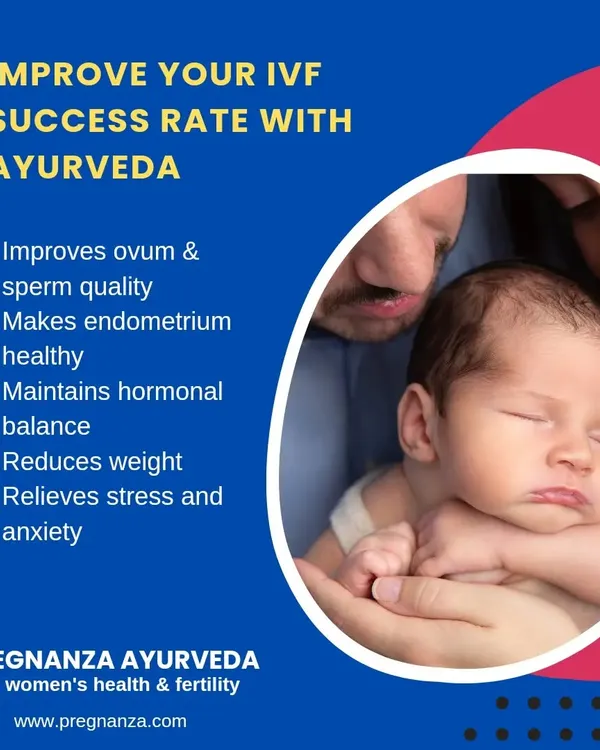
Your Path to Conception: Ayurvedic Fertility Support in Bangalore
 16
16


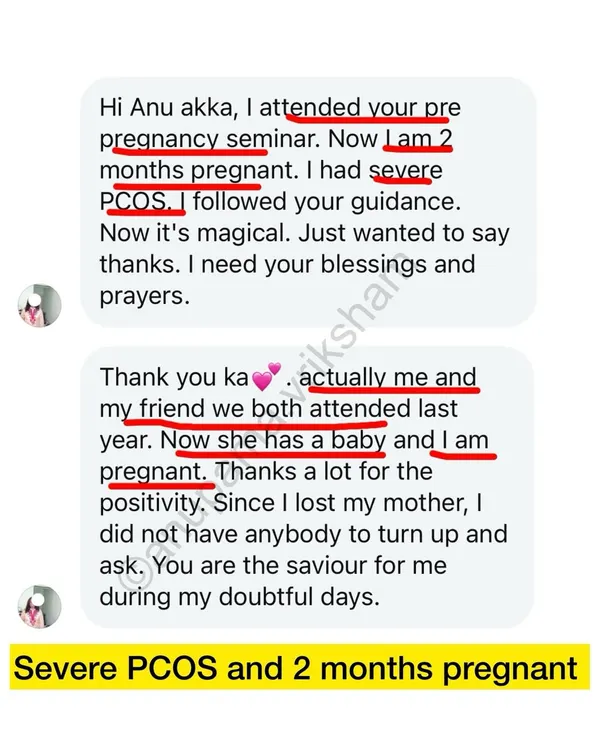
Overcoming PCOS & Hormonal Imbalance Naturally
Natural Fertility & Hormone Balancing for Couples


Understanding the Science of Conception
 43
43
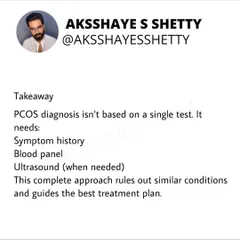
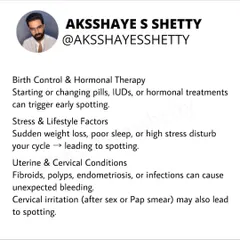
PCOS & Hormonal Health Explained
More from Fertility Preservation & Planning by Proactive For Her
More services by Proactive For Her