Your Guide to Staying Organized at Home
Organizing isn't about perfection; it’s about making your space work for your daily life. Here are the simple principles and habits that help us keep homes functional, peaceful, and clutter-free.
We teach our clients five key organizing secrets to help them maintain a calm and orderly home. These principles include storing items where you use them and creating zones based on your daily routines.
Feeling overwhelmed and don't know where to start? This checklist of things to declutter, from expired pantry items to old paperwork, can help you tackle the clutter in manageable steps.
This 60-second fridge hack is a game changer for weekly meal prep. By washing and storing vegetables in clear containers in your fridge door, you can easily see what you have and reduce food waste.
Stacking isn't always the best method. We recommend not stacking items if they are all different, if you need to access them frequently, or if they are fragile. Vertical storage is often a better solution.
Stacking can be a great space-saver in the right situation. It works well when all the items are the same, like a set of plates, or when you don't need to access specific items quickly, such as seasonal decor.
An organized home offers so many benefits beyond just looking neat. It can reduce stress, increase productivity, improve your sleep, and give you more time for the things that truly matter.
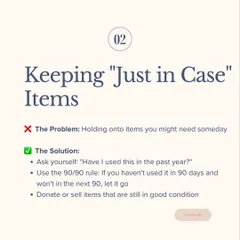
One of the easiest ways to declutter is to deal with expired items as you find them. If you stumble upon expired food or worn-out clothes, dispose of them right away instead of putting it off.
Don't let broken or damaged items pile up. As soon as you notice something is torn or not working, make a decision to either repair it immediately or dispose of it.
It's okay to let go of sentimental items that no longer feel meaningful. Tastes and priorities change, and decluttering these items can free up both physical and mental space.
About Your Guide to Staying Organized
Most people struggle to maintain order because they focus on buying bins before they finish sorting. The secret isn't more storage; it’s editing your inventory until only what you use remains. My process prioritizes your current habits over aesthetic trends, which means you aren't fighting to keep things tidy three weeks later. If your kitchen drawers are a constant battlefield, it is time to move beyond guesswork and set up actual, logical zones.
Practical Habits for a Calm Home
You do not need a massive remodel to reclaim your space. Organizing is about small, consistent choices that minimize friction in your daily routine. Whether you are tackling a cluttered pantry in a cramped Bengaluru apartment or setting up a home office in Hyderabad, the principles remain the same.
Why Systems Fail
Most systems fail because they are designed for an 'ideal' version of yourself, not your current reality. If you buy fancy glass jars but do not have the time to decant dry goods every week, those jars will sit empty. We focus on:
- Zoning: Placing items where you use them, not where they happen to fit.
- Maintenance: Creating 'one-in, one-out' rules that prevent accumulation.
- Accessibility: Prioritizing vertical storage for items you reach for every single day.
Tackling Common Clutter
- Kitchens: Do not stack dissimilar items. Use vertical dividers for plates and lids so you do not have to move five things to get to the one you need.
- Wardrobes: If you cannot see it, you will not wear it. File folding clothes saves space and helps you see your inventory at a glance.
- Paperwork and Tech: Keep charging stations central but hidden to avoid cable tangles.
We believe that a peaceful home is a human right, not a luxury. If you are feeling the weight of the mental load and want to transform your chaos into clarity, we are here to walk you through it without judgment.
Similar work from other experts
Browse through Curated picks from other experts on mytribe
Simple Home Organization Tips for a Stress-Free Life
Practical Home Organizing Hacks & Tips
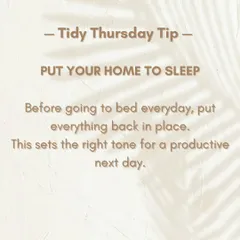
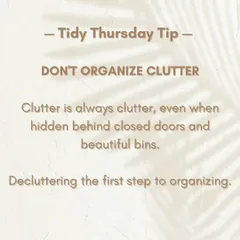

Smart Tidy Tips & Tricks for a Stress-Free Home
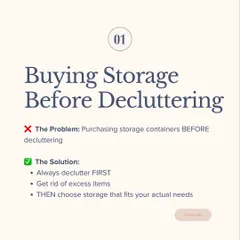
Smart Home Organization Tips & Quick Hacks
Quick Tips for a Clutter-Free Life
Our Organizing Process & Home Decluttering Tips
More from Kitchen & Pantry Organization by Mom Made Home