How to Get a Dark, Long-Lasting Mehendi Stain
A dark stain isn't magic, it's just pure mehnat (hard work) and the right technique. Here is my complete process for mixing organic henna and perfecting the aftercare to ensure a rich, maroon color every time.
This is the result everyone wants. From the thick Hamami-style paste application to the final, incredibly dark stain. This is what you will learn to achieve.
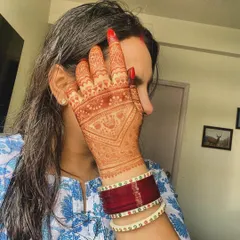
The final stain is everything. Here is a beautiful dark henna stain, perfectly complemented by red roses. This is the quality your clients will pay for.
I am in love with this dark stain. This is the result of using high-quality, natural henna and following the right aftercare process.
This is the darkest color you all want. I will teach you the secrets to achieving this result consistently in my classes.
The richness of this stain is just beautiful. This is what you can expect when you learn my techniques.
I love seeing the final stain on henna hands. This video shows the color developing from a fresh stain to a mature, dark brown.
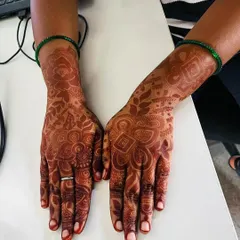
A beautiful, mature stain. Notice how even and rich the color is across the entire design. This is a sign of a good artist and good henna.
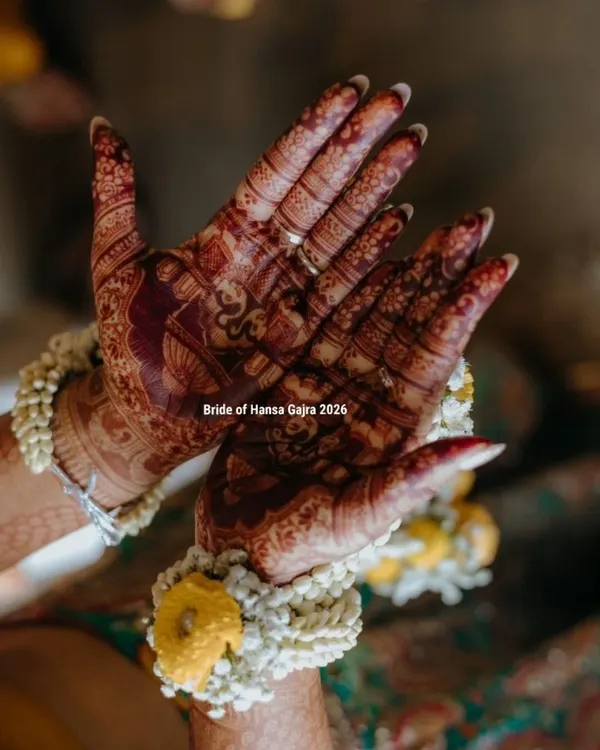
The contrast between the dark henna stain and the bride's jewelry is just stunning. This is the kind of result that makes bridal photos pop.
This is the day one stain. It's already so rich and beautiful, and it will get even darker over the next 48 hours.
A full bridal look showcasing the amazing dark stain. This is what makes the bride feel special on her big day.
About The Secret to a Dark, Rich Stain
The biggest secret to a dark stain isn't just the paste; it's the aftercare. Many students focus entirely on the design, but if you don't seal it correctly, the color won't develop fully. I teach my students how to use a specific lemon-sugar sealant and explain the importance of keeping the henna warm and on the skin for at least six hours. If you rush the drying process, you rush the color.
Understanding Natural Henna
True, deep stains come from natural ingredients. In my classes, we move away from chemical cones that promise instant results but can damage the skin. We use 100% organic henna powder, mixed to the right consistency. It is about chemistry and patience. If the mix isn't right, the stain will never reach that deep maroon shade everyone wants.
The Importance of Aftercare
Once the mehendi is applied, the work has only just begun. The stain actually develops after the paste is scraped off. My process includes:
- The Sealant: We use a simple lemon-sugar mixture to keep the henna moist on the skin. This allows the dye to release effectively.
- Heat: Henna loves heat. Keeping your hands warm—especially in air-conditioned environments—is crucial for a rich color.
- Avoid Water: For the first 24 hours, avoid water on the area. This helps the stain oxidize properly and turn that dark brown that lasts for days.
My Teaching Philosophy
I share these secrets because I want my students to provide the same quality to their clients that I do for mine. Whether you are in my 7-day foundation course or the 30-day masterclass, we practice these techniques until they become second nature. You don't need magic to succeed, just discipline and a willingness to learn the right way. If you are serious about becoming a professional mehendi artist, I am here to help you get there.
Similar work from other experts
Browse through Curated picks from other experts on mytribe
Achieving the Perfect Dark Mehndi Stain
How to Get a Deep, Rich Mehndi Stain Naturally
My Process: Achieving Deep, Natural Henna Stains
The Henna Stain & Aftercare Guide
Achieving the Deepest Natural Henna Stain
 16
16
Mehendi Art in Motion: Natural Stains & Detailed Processes
More from Mehendi Classes by Sayyed Faazia
More services by Sayyed Faazia