Advanced Eye Artistry Techniques
Stop guessing and start measuring. I’m Manveen, and I’m here to show you why your cut crease disappears, how to make any eye shape pop, and the real secret to a smokey eye that doesn’t look like a black patch.
Why does cut crease makeup go wrong? Usually, it's because of a lack of measurement. I teach you the theory and practical steps to ensure your cut crease is visible and sharp, even after the client opens their eyes.
I use a whiteboard to break down the theory behind different types of cut creases. Understanding the difference between an 'open' and 'closed' cut crease is crucial to know which technique to use on different eye shapes.
Here, I explain the logic of applying the right cut crease technique. For hooded or deep-set eyes, an open cut crease creates the illusion of a bigger lid, while a closed cut crease enhances eyes that already have a lot of space.
The biggest challenge in cut crease makeup is making both eyes look the same. This comes down to measurement, a key technique I teach to ensure symmetry and perfection in your work.
The effort of a cut crease is only worth it if the makeup is visible when the eyes are open. I explain the importance of placing the cut correctly so your hard work pays off and looks stunning.
I demonstrate cut crease measurement on three different eye shapes: small, medium, and large. This practical session ensures my students can handle any client that sits in their chair.
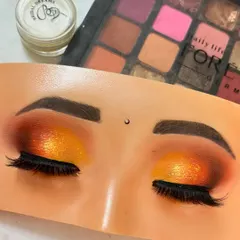
I start my smokey eye class by breaking a common myth. A smokey eye is a technique, not a color. It can be golden, copper, or any shade, not just black.
To wing or not to wing with a smokey eye? I explain that for a classic black smokey, you should skip the liner. For softer or colorful smokey eyes, a smudged, smokey liner complements the look perfectly.
The beauty of a smokey eye is that it works on any eye shape. For hooded eyes, I teach students to use lighter colors like browns, golds, and coppers to create dimension and make the eyes pop.
How do you make small eyes pop with a smokey look? Use brighter shades. I teach my students how a royal blue or bright green smokey eye can make smaller eyes appear larger and more dramatic.
About Advanced Eye Artistry Techniques
Ever wonder why your cut crease disappears the second the model opens her eyes? It is not your blending—it is your measurement. Most artists skip the mapping phase, but I teach you how to calculate the socket depth first so your hard work actually shows, regardless of the eye shape.
Beyond the Basics: Precision & Logic
Makeup isn't just about applying product; it's about engineering illusions. At MBM, we move past 'copy-paste' trends. Here is what we focus on in our advanced modules:
- Cut Crease Mapping: We stop treating all eyes the same. Whether you are dealing with hooded, deep-set, or small eyes, we use specific measurement techniques to determine where to place the crease so it remains visible when the client looks straight ahead.
- Smokey Eye Versatility: Stop telling clients that smokey equals black. We teach you how to use browns, coppers, and vibrant jewel tones to create dimension that enhances the eye rather than closing it off. You will learn the 'wet base' method to ensure pigments stay vibrant without becoming patchy.
- The Power of Small Details: We cover tightlining to provide definition without harsh lines, and a three-step lash application process that ensures the strip sits perfectly every time without peeling.
Why MBM Technique Matters
If you want to move from being an 'okay' artist to a 'market-ready' professional, you need to understand why a technique works. In my 10-day Advanced Masterclass in Pitampura, we don't just show you looks; we troubleshoot the problems you face in the studio. We discuss why eyeliner breaks, how to handle client reactions to intense makeup, and how to photograph your eye work to build a portfolio that actually brings in bookings.
This is for the artist who is tired of the basics and ready to get uncomfortable.
Similar work from other experts
Browse through Curated picks from other experts on mytribe
Advanced Eye Makeup Artistry: Mastering Professional Techniques
Creative Eye Makeup: Learn Trending Techniques
Professional Eye Makeup Techniques in Gurgaon
Signature Eye Makeup Artistry & Techniques
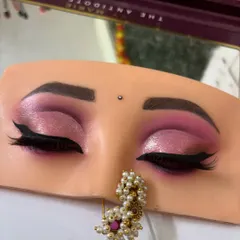
Advanced Eye Makeup Training in Dadar Mumbai
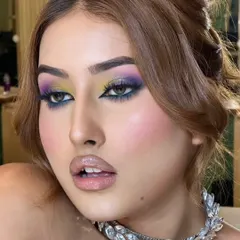
Signature Eye Artistry by Sugandh Khanna
More from Advanced Pro Makeup Course by Manveen Kaur
More services by Manveen Kaur