Handcrafted Tiles and Unique Floors with a Story
Your floor sees your life unfold, from muddy footprints to quiet mornings. Let us help you pick a surface that ages beautifully, whether it is the timeless, light-bouncing glaze of a subway tile or the vibrant, sun-cured geometry of Chettinad’s Athangudi heritage.
Sage green subway tiles bring the same clean lines and timeless shape as the classic white, but with a little more warmth. This color makes white fixtures feel colder and wood tones feel richer, adding subtle sophistication to this bathroom.
Classic white subway tiles offer a clean, glazed finish that never goes out of style. They have a way of making grout lines look intentional and walls look considered, providing a perfect canvas for any design.
This is the story of the subway tile, a 120-year-old classic from New York. Originally designed for subway stations, its practicality and simple beauty have made it a timeless choice for homes around the world.
The subway tile was 'the tile that lit up the dark'. In 1904, its glossy, glazed surface was used in New York's underground tunnels to bounce light and make the spaces feel brighter and cleaner. A practical solution that became an icon.
The subway tile has been reinvented, not replaced. Over the decades, designers have refreshed this classic with bolder colors, bigger sizes, new textures, and darker grout, giving the same tile a new personality for every era.
This timeline shows the evolution of the subway tile, from the tunnels of New York to everyday life. Its ease of maintenance brought it to butcher shops and hospitals, while its timeless look made it a design staple in the 2000s.
This infographic illustrates the making of an Athangudi tile. It's a century-old craft involving a brass mould, natural oxide pigments, and a cement body, all cured in the open air. No kilns are used, just patience and generations of knowledge.
The 'Naalu Malli Mottu' is a traditional Athangudi tile pattern named after four jasmine buds. Arranged in perfect symmetry, their white petals unfurl against a bold terracotta red, creating a floor that is both geometric and floral.
This is the Athangudi tile, a 150-year-old secret hidden in Tamil Nadu. This series explores its history, craft, and design, showcasing a flooring tradition that is entirely handmade and sun-cured.
Athangudi tiles were born out of necessity when imported flooring was out of reach for Chettinad's artisans. They perfected a method using local sand, pigment, and brass moulds that is still practiced the same way today.
About Handcrafted & Unique Tiles: Floors with a Story
Forget cement grout for your wet areas or kitchen backsplashes. It absorbs oil and moisture, leading to those dark, stubborn stains everyone hates. Use epoxy grout instead. It is waterproof, stain-resistant, and keeps your vibrant Athangudi patterns or subway tiles looking clean for years without the constant maintenance.
Flooring is the silent hero of your home. It needs to look good, sure, but it also has to handle the daily traffic of family life. That is why we focus on materials that carry both history and utility.
The Timeless Subway Tile
Born in the New York City subway tunnels of 1904, the subway tile was a purely functional solution meant to bounce light into dark underground spaces. Its genius lies in its simplicity. Whether you choose a classic white for a clean, clinical look or a sage green to add warmth to your bathroom, these tiles remain relevant because they work. We recommend them for backsplashes because they wipe clean instantly and keep grout lines looking intentional.
Athangudi: Floors with a Soul
If you want character, look towards Chettinad. Athangudi tiles are a 150-year-old secret we are keeping alive. These aren't made in kilns with heavy industrial machines. They are created using brass moulds, natural oxides, and sun-curing. Because they are handmade, no two tiles are identical, which gives your floor a depth that mass-produced vitrified tiles simply cannot match. They bring the 'desi' warmth back into modern living rooms and verandahs.
Expert Installation Tips
Regardless of which tile you choose, the installation matters more than the material itself.
- Always check for air pockets: Tap the tiles before grouting to ensure they are seated properly.
- Mind the gaps: Always leave a 2 to 4mm expansion gap. Houses settle, and floors expand. Without that gap, tiles crack.
- Layout planning: Don't just buy what you like. We help you map out the floor plan with 3D layouts so you know exactly how the pattern meets the walls before you order a single box.
Similar work from other experts
Browse through Curated picks from other experts on mytribe
 8
8
Curated Tile Collections & Artistic Surfaces
 8
8

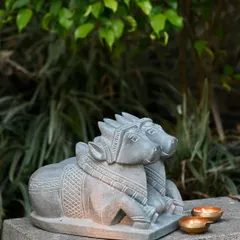
Handcrafted Heritage and Botanical Home Decor
 7
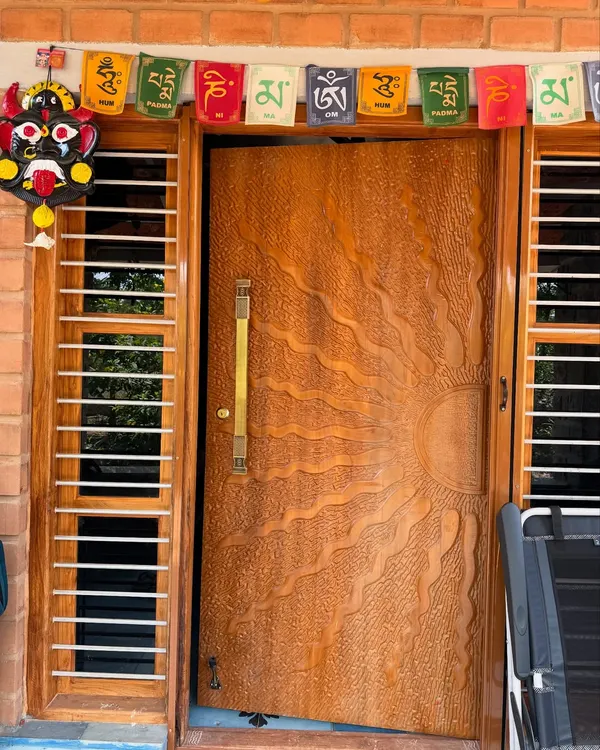
7Custom Home Design Elements and Unique Details
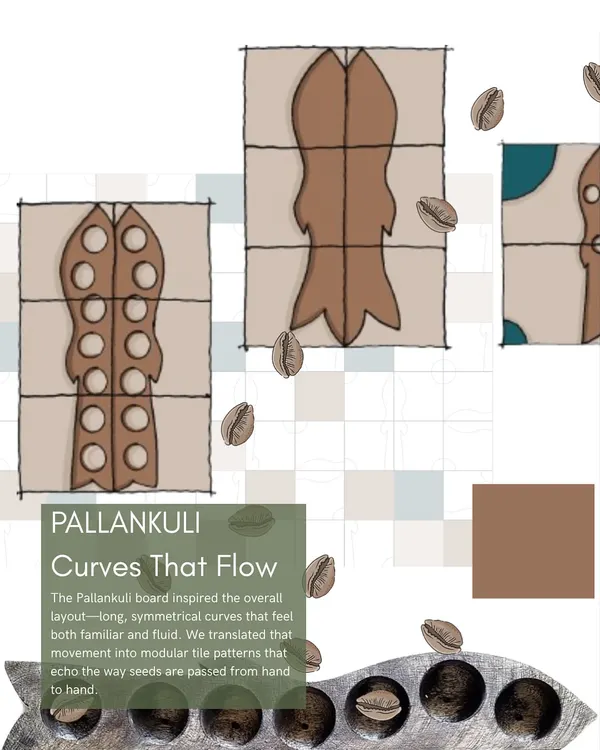 7
7
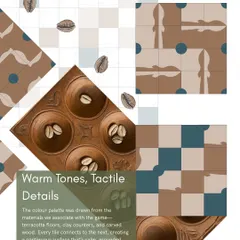
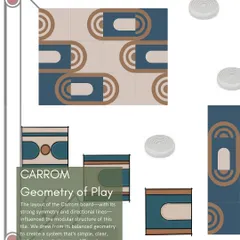
Nostalgia-Inspired Board Game Tile Designs
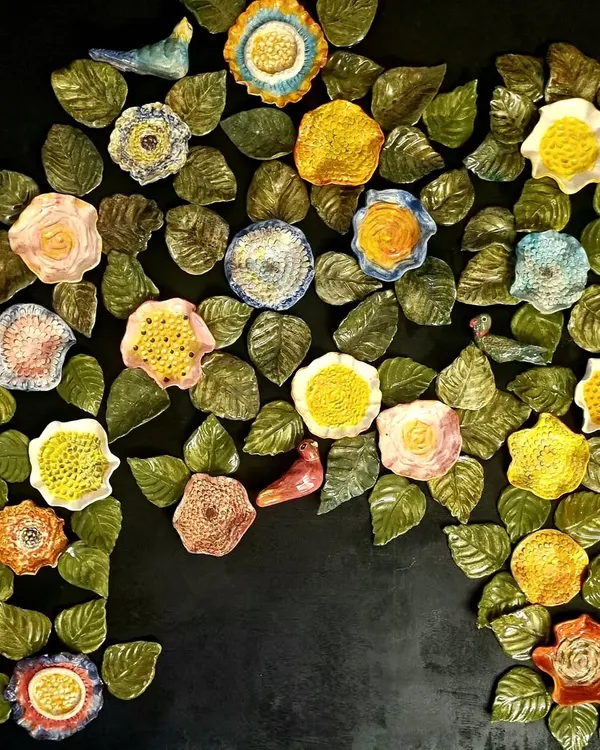 8
8
Our Featured Handmade Ceramic Collection
 8
8
Hand-Painted Heritage Decor & Wall Art
Looking for specific tiles or installation advice?
Search for material types, room applications, or specific design styles.
More from Home Renovation & Design Guidance by Material Depot
More services by Material Depot