Smart Renovation Hacks: Save Time & Money on Your Home
Renovating shouldn't be stressful. We break down complex construction choices into simple, actionable steps—from hiding ugly circuit boxes to picking the right plywood—so your home lasts longer and looks exactly how you imagined.
An exposed circuit box can ruin the aesthetic of a beautiful wall. I demonstrate three clever ways to conceal it using a hinged artwork, a sliding panel, or a double-door cabinet. These solutions keep the box accessible while maintaining a clean, seamless look.
Instead of cluttering your shower with hanging racks, build a niche. A recessed shelf built into the wall provides clean, integrated storage for your toiletries. I explain how to build one correctly in both thick and thin walls for a sleek, modern bathroom.
Using cement to fix modern tiles is a common mistake. Cement bonds mechanically and doesn't grip well on low-porosity vitrified tiles, leading to cracks and de-bonding. Always use a polymer-modified tile adhesive, which is engineered for a stronger, more flexible bond.
Regular skirting creates a ledge that collects dust. A much smarter and more aesthetic option is flush skirting, where the tile sits level with the wall. It offers the same protection from mops and scuffs but eliminates the dust problem and gives your space a clean, minimalist finish.
Should you choose ceramic or vitrified tiles? It depends on the area. This video explains the difference in porosity and durability. Vitrified tiles are dense and water-resistant, ideal for high-traffic floors, while ceramic tiles are best for walls and low-traffic spaces.
Choosing the right kitchen countertop involves balancing looks, durability, and budget. This guide compares Granite, Quartz, and Marble. Granite is durable and budget-friendly, high-grade Quartz offers low maintenance and premium looks, while Marble is beautiful but requires significant care.
Never use cement grout in wet areas like bathrooms and kitchens. Its porous nature traps moisture, leading to mold growth and weakened tiles. This video demonstrates why non-porous, water-resistant epoxy grout is the only right choice for protecting your tiles in the long run.
That tiny gap between your tiles is crucial for the longevity of your floor. Tiles expand and contract with temperature changes. Without a 2-4 mm grout-filled gap, they can press against each other, causing cracks, chipping, and lippage.
This simple water test shows the critical difference between MR (Moisture Resistant) and BWP (Boiling Water Proof) plywood. MR grade is fine for dry areas like beds and wardrobes, but for kitchens and bathrooms where moisture is present, always insist on BWP plywood to prevent peeling and swelling.
About Smart Renovation Hacks: Save Time & Money
Most people pick materials based purely on looks, but that is where the regrets start. We focus on the 'hidden' science: the 2mm expansion gap that prevents floor cracks, the epoxy grout that keeps bathroom mold at bay, and the specific plywood grade that survives kitchen moisture. It is about building a home that works as hard as it looks.
Renovation is full of small, critical decisions that contractors often gloss over. A home is a long-term investment, and ignoring these technical details often leads to expensive repairs down the road.
Kitchen Durability
The kitchen is your home's busiest zone. Never use MR grade plywood in your cabinets. Our tests confirm it peels and swells with moisture. Always insist on BWP (Boiling Water Proof) plywood. Regarding countertops, Granite is your best bet for budget and heat resistance, while High-Grade Quartz offers a premium, low-maintenance finish without the porous nature of Marble.
Bathroom & Wet Zones
Stop relying on hanging racks that create visual clutter. We recommend building recessed niches into your walls—it is clean, permanent, and saves space. Crucially, avoid cement grout in wet areas; it absorbs moisture and breeds mold. Epoxy grout is the only way to ensure water-resistant, mold-free joints that last years.
Flooring & Finishing Details
- Tile Installation: Always use polymer-modified tile adhesives instead of plain cement. Cement doesn't bond well with modern, low-porosity vitrified tiles, leading to hollow sounds and cracks. Don't forget to leave a 2-4mm expansion gap between tiles to allow for natural movement.
- Flush Skirting: Tired of dust collecting on the ledge of your skirting? Flush skirting brings the wall and floor together seamlessly, creating a cleaner aesthetic and making cleaning significantly easier.
- Concealing Utilities: Don't let electrical boxes ruin your wall design. We use hinged panels or sliding tracks to hide circuit boxes while keeping them fully accessible for maintenance.
Whether you are planning a full renovation or just fixing one room, our studio in Bengaluru (JP Nagar, Yelahanka, and Whitefield) is open for you to physically test textures, check material quality, and discuss these details before you buy.
Similar work from other experts
Browse through Curated picks from other experts on mytribe



Renovation 101: Essential Principles for a Successful Project
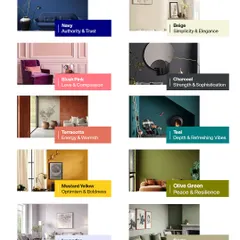
Smart Home Design Inspiration and Practical Renovation Advice
Durable Flooring and Modern Wall Finishes
 24
24
Home Renovation Before & After Transformations
Expert Interior Design Tips and Home Renovation Advice



Smart Home Organization Tips & Quick Hacks
Still looking for specific material advice?
Search our range of materials and expert guides to find exactly what your project needs.
More from Home Renovation & Design Guidance by Material Depot
More services by Material Depot