Heritage Homes: Blending Indian Architectural Wisdom with Modern Design
You do not need an old haveli to capture that heritage warmth. We help you bring centuries of architectural logic into your modern apartment, blending traditional design principles with today's materials.
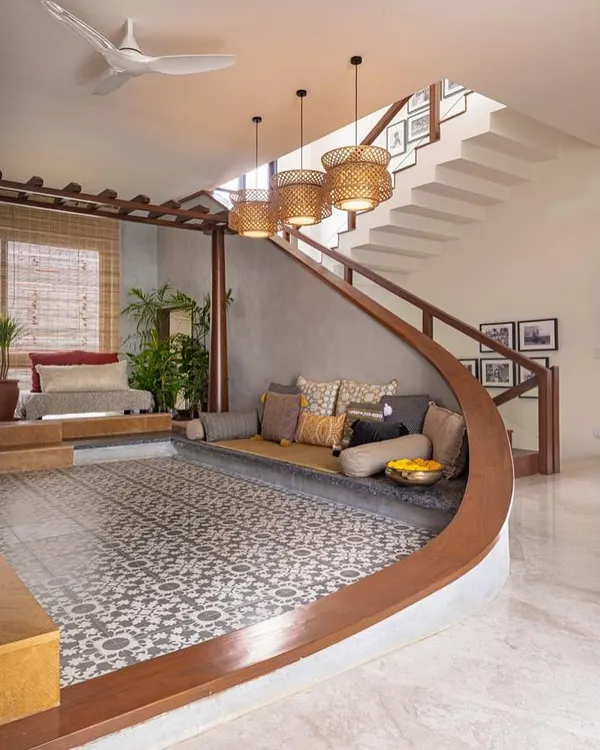
The Franco-Tamil homes of Pondicherry are a beautiful example of architecture that works with the climate, not against it. The inward-facing design with a central courtyard, thick lime-plastered walls, and cool Athangudi tiles underfoot creates a naturally comfortable living environment.
This is a Wada, a traditional Maharashtrian home built with incredible foresight. The design features ornate jharokhas for ventilation and viewing, and a central courtyard that served as the heart of family and business life. It’s a system of living, not just a structure.
Karnataka's architecture tells diverse stories. The Guthu Mane of the Bunts showcases wealth through massive, hand-carved wooden pillars, while the Ain Mane of the Kodavas is built to embrace the monsoon with an open courtyard and a smart drainage system.
In Bengal, the courtyard, or 'Dalan', was the stage for life itself. From Durga Puja to weddings and harvests, everything that mattered happened here under the open sky, making the home a sanctuary for community and celebration.
The 'Chowk' in a Rajasthani haveli was an oasis against the desert heat. Combined with intricate jaali screens, this central courtyard helped maintain a cool temperature inside, demonstrating a sophisticated understanding of passive cooling.
In the monsoon-heavy Malnad region of Karnataka, the 'Thotti Mane' features a drain built right into the center of the house. This shows a philosophy of designing for the rain, not fighting it, a lesson in adapting to the environment.
Every family has a courtyard story. This collage showcases five timeless Indian courtyard designs that were the heart of the home, proving that our ancestors knew how to build spaces that connect us to nature and each other.
The Wada of Maharashtra often had a system of three courtyards: one for guests, one for business, and one for the family. This intelligent separation of public and private spaces shows a deep understanding of social structure and functional design.
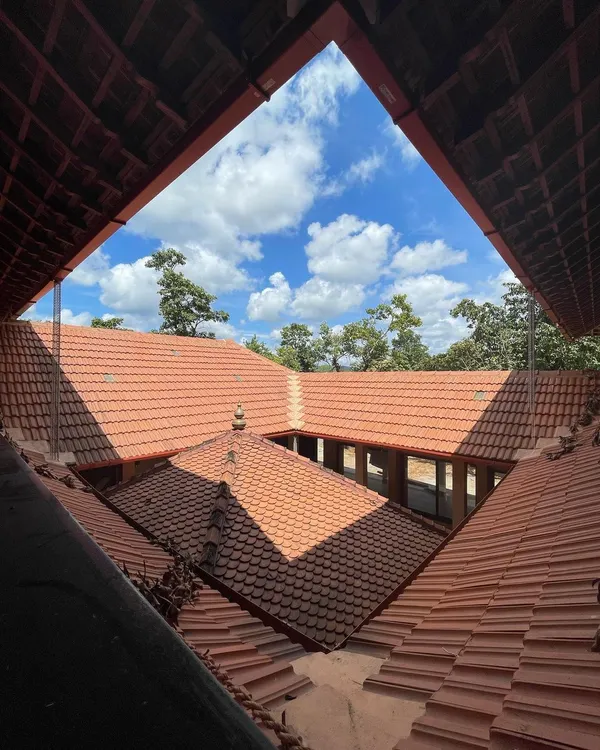
The 'Nadumuttam' is the sacred square of open sky in the middle of a traditional Kerala home. It’s where light and rain enter, bringing a touch of peace and nature right into the heart of the living space.
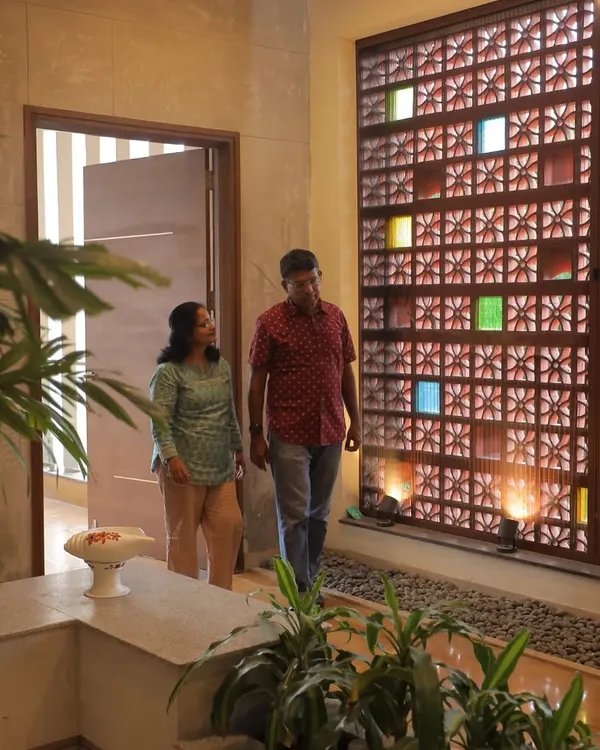
A jaali screen is not just decorative; it's a 16th-century air conditioner. Born in royal courts, these perforated screens filter harsh sunlight, cool rooms naturally, and provide privacy. Today, we are reviving this ancient idea in modern materials like laser-cut metal and concrete.
About Heritage Homes: Wisdom of Indian Architecture
Most people think heritage design is about buying antique furniture, but true traditional design is physics. A jaali screen, for instance, is not just a wall decoration, it is a filter that breaks harsh sunlight and accelerates airflow to cool your room naturally. We help you choose the right laser-cut metal or concrete jaali to replicate this effect in modern layouts without the heavy masonry of the past.
The genius of traditional Indian architecture, from the Kerala Naalukettu to the Maharashtrian Wada, lies in its climate responsiveness. These homes were built to work with the sun and wind, not against them. Our approach is to deconstruct these concepts and apply them using modern material science.
The Science of Airflow and Light
Traditional homes used the angan, or central courtyard, as a thermal engine. The open sky allowed hot air to rise, creating a pressure difference that pulled cooler air through the living spaces. In a modern apartment, we cannot always build a courtyard, but we can mimic this logic with strategic ventilation and material choices. Using high-density materials that offer thermal mass, combined with the smart placement of jaali screens, allows you to maintain indoor comfort even in peak summer.
Material Choices that Matter
- Flooring: Athangudi tiles from Tamil Nadu offer a unique aesthetic, but they also provide a natural coolness underfoot. We guide you on pairing these with modern adhesives to ensure they settle perfectly in your home.
- Walls: Instead of flat paint, we explore the use of textures and panels that mimic lime plaster or stone, giving your walls that soft, matte finish characteristic of older structures.
- Wood and Metal: We focus on durability. Whether it is laser-cut metal jaalis that resist rust or treated wood for your pillars and frames, the goal is to choose materials that age gracefully.
Practical Integration
Building a home with a desi soul is not about overcrowding your space with decor. It is about identifying the one or two elements that resonate with your history—like a specific tile pattern or a traditional wood-carved detail—and making that the focal point. We help you source these specific materials, providing the technical layout guides you need to ensure they look intentional rather than out of place.
Similar work from other experts
Browse through Curated picks from other experts on mytribe
 4
4
Vernacular Homes: The Courtyard Tradition
 19
19
Modern South Indian Residences That Blend Heritage With Comfort
 12
12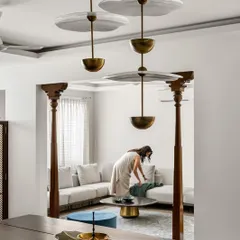
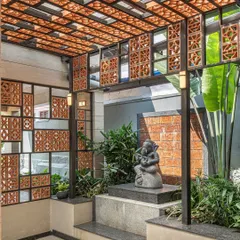
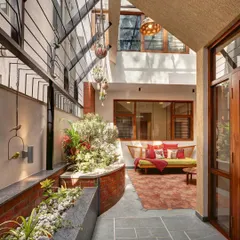
Modern Heritage Home Interiors
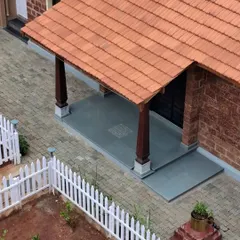
Designing Courtyard Homes and Traditional Sit-outs
 7
7
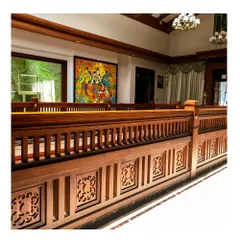
Traditional Kerala Heritage Home Designs
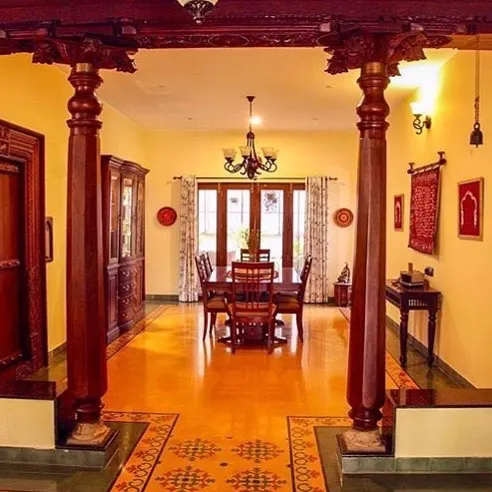 12
12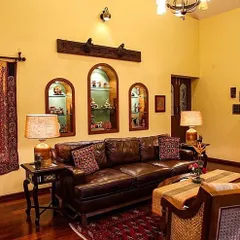
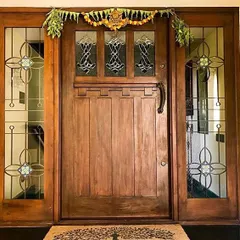
Modern Interpretation of Indian Traditions in Architecture
More from Home Renovation & Design Guidance by Material Depot
More services by Material Depot