Decoding Jewellery: Your Guide to Buying Smart
Buying jewellery shouldn't feel like a guessing game. I am here to break down the technical terms, pricing, and styles so you can shop with total clarity.
Welcome to 'Decoding Jewellery with Maniraj'. This is a series where I share things no one usually tells you about buying jewellery. My goal is to help you understand the real side of gold and diamonds, so you can buy smart and find pieces that tell your story.
The cut of a diamond determines its sparkle. In this episode, I explain the differences between popular cuts like round, princess, emerald, and pear. The best cut isn't about what's trendy; it's about finding the shape that best suits your personal style.
The engagement ring has a fascinating history, with different cuts becoming popular over the decades. This video takes you through the evolution of engagement ring styles, from the Art Deco Asscher cut of the 1960s to the classic emerald cut of the 1970s.
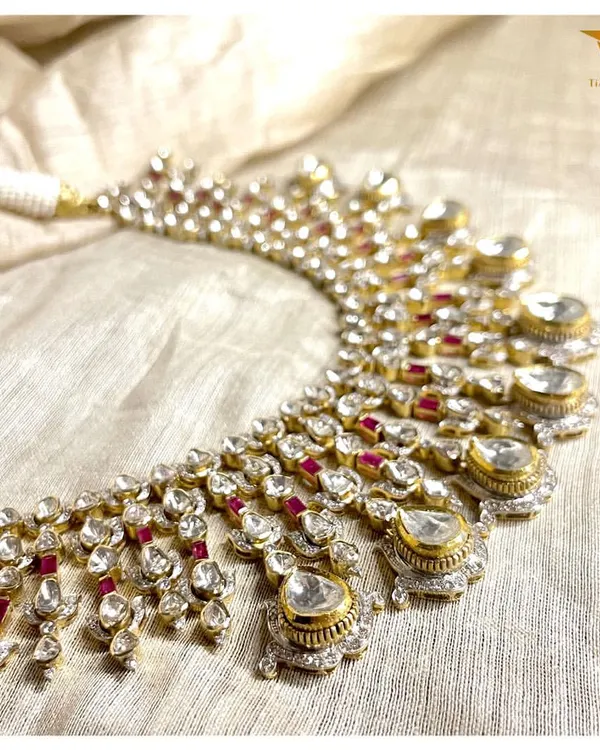
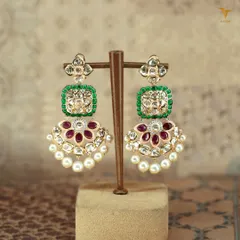
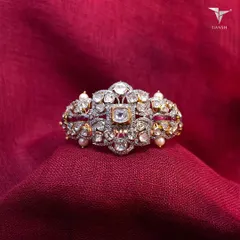
Polki vs Kundan, what's the real difference? This guide shows you side-by-side examples. Polki jewellery uses real, uncut diamonds, while Kundan jewellery traditionally uses glass or gemstones set in gold foil.
Let's get up close. A Polki is a real uncut diamond, retaining its natural form and shine. A Kundan stone is typically glass. This difference in material is what gives Polki its higher value and unique, organic beauty.
The true beauty of Polki is in its imperfection. Because these diamonds are raw, uncut, and unpolished, they have a natural character that mass-produced diamonds lack. It's this uniqueness that makes each Polki piece special.
No two Polki diamonds are ever the same. Each one keeps its natural shape and internal lines, giving you a one-of-a-kind look with a natural glow and a touch of history that a perfectly polished diamond just can't match.
There's a type of diamond that looks bigger than it actually is. It's a great choice for getting a statement look without the high carat price. Swipe to find out what it is.
It's called a rose-cut diamond. This vintage cut has a flat base and a wide, dome-shaped top, which makes it appear larger from above compared to other diamonds of the same carat weight.
Why is it called a rose cut? Its dome-shaped top is covered in tiny triangular facets that resemble the petals of a blooming rose. This unique faceting gives it a soft, romantic glow instead of a brilliant sparkle.
About Decoding Jewellery: Your Smart Buying Guide
Before you buy, ask about the making charges separately from the gold price. Many people get confused because these aren't always itemized in larger stores, but here, I believe you should know exactly what you are paying for—the gold, the stones, and the craftsmanship.
Buying jewellery is often shrouded in mystery, but it doesn't need to be. Whether you are looking at the vintage charm of a Rose-cut diamond or trying to understand the difference between Polki and Kundan, the goal is always value.
Polki vs. Kundan: Know Your Stones
Many people use these terms interchangeably, but they are worlds apart. Polki is real, uncut diamond—it holds value because it is a genuine stone. Kundan, traditionally, is glass or stone set in gold foil. When you are investing in a bridal set, knowing this difference protects your investment.
The Rose-Cut Advantage
If you want a diamond that looks larger without the heavy price tag of a high-carat brilliant cut, look at rose-cut diamonds. They have a flat base and a wide dome, which creates more surface area. It is a smart, aesthetic choice for those who love understated, vintage luxury.
Transparency in Mumbai
My practice at Maniraj Solitaire is built on simple, honest conversations. From Matunga East to Borivali West, I see so many clients who have been overcharged or misled by complex jargon. You don’t need to be a gemologist to buy smart. Always ask for BIS hallmarking on gold, demand to see the purity, and insist on a clear breakdown of the cost. Jaise aapki marzi—it is your money and your memory, so you should walk away with both, not just the bill.
Similar work from other experts
Browse through Curated picks from other experts on mytribe
Jewellery Education: Decoding Quality and Value
Our Commitment to Transparency in Jewellery
 9
9
Your Guide to Diamonds: Certification and Investment Basics
 22
22
Handcrafted Polki and Kundan Jewellery Designs
My Process: How I Revamp Your Heirloom Jewellery
Expert Jewellery Styling & Care Hacks for Jadau
More from Custom Jewelry Design by Maniraj Solitaire
More services by Maniraj Solitaire