Art for Wellbeing and Mental Health Awareness
I create art that isn't just for looking, but for feeling and conversation. Let's build spaces that foster empathy, challenge old taboos, and help us connect with our inner selves.
This portrait of Charlie Chaplin is made entirely of Morse code, spelling out his quote: "I always like walking in the rain, so no one can see me crying." It sheds light on the coded ways people often ask for help, inviting viewers to decode the message and reflect on the importance of listening closely.
This portrait of Charlie Chaplin is made entirely of Morse code, spelling out his quote: "I always like walking in the rain, so no one can see me crying." It sheds light on the coded ways people often ask for help, inviting viewers to decode the message and reflect on the importance of listening closely.
This portrait of Charlie Chaplin is made entirely of Morse code, spelling out his quote: "I always like walking in the rain, so no one can see me crying." It sheds light on the coded ways people often ask for help, inviting viewers to decode the message and reflect on the importance of listening closely.
This portrait of Charlie Chaplin is made entirely of Morse code, spelling out his quote: "I always like walking in the rain, so no one can see me crying." It sheds light on the coded ways people often ask for help, inviting viewers to decode the message and reflect on the importance of listening closely.
The 'Mental Health Alphabet' is a series I started during the pandemic to spark conversations around mental wellbeing. Each letter illustrates a condition or feeling related to mental health. Displaying them on a clothesline alludes to the idea that these states are not permanent parts of our identity.
The 'Mental Health Alphabet' is a series I started during the pandemic to spark conversations around mental wellbeing. Each letter illustrates a condition or feeling related to mental health. Displaying them on a clothesline alludes to the idea that these states are not permanent parts of our identity.
The 'Mental Health Alphabet' is a series I started during the pandemic to spark conversations around mental wellbeing. Each letter illustrates a condition or feeling related to mental health. Displaying them on a clothesline alludes to the idea that these states are not permanent parts of our identity.
The 'Mental Health Alphabet' is a series I started during the pandemic to spark conversations around mental wellbeing. Each letter illustrates a condition or feeling related to mental health. Displaying them on a clothesline alludes to the idea that these states are not permanent parts of our identity.
The 'Mental Health Alphabet' is a series I started during the pandemic to spark conversations around mental wellbeing. Each letter illustrates a condition or feeling related to mental health. Displaying them on a clothesline alludes to the idea that these states are not permanent parts of our identity.
The 'Mental Health Alphabet' is a series I started during the pandemic to spark conversations around mental wellbeing. Each letter illustrates a condition or feeling related to mental health. Displaying them on a clothesline alludes to the idea that these states are not permanent parts of our identity.
About Art for Wellbeing & Awareness
My installations often ask you to get involved, whether it is decoding a Morse code portrait or engaging with a series that challenges social stigmas. These pieces are not static objects, they are prompts for the uncomfortable conversations we usually avoid, like mental health or bodily taboos, designed to shift perspectives through interaction rather than just observation.
Art has the capacity to hold space for the things we are taught to keep hidden. In my work, I use conceptual installations as a tool for inquiry, moving beyond traditional gallery aesthetics to focus on emotional resonance and social awareness.
The 'Mental Health Alphabet,' for instance, emerged during the pandemic to give shape to the unspoken states of mind we all faced in isolation. By presenting these on a literal clothesline, I wanted to de-stigmatize mental health conditions, showing them as temporary states rather than permanent labels. Similarly, my exploration of Charlie Chaplin via Morse code is an intentional barrier, forcing the viewer to pause, decode, and actively participate to understand the plea for help hidden in plain sight.
With installations like 'Dirty Fertility,' I aim to draw parallels between the labels society assigns to soil and the taboos surrounding female fertility. By using the same physical medium, soil, to sculpt both, I invite viewers to reconsider their relationship with nature and the body. These projects are not just about visuals, they are about using materiality to question our conditioning.
Whether you are an organization looking to create a thoughtful office environment or a community group wanting to spark dialogue, I design experiences that encourage people to slow down, reflect, and connect. I am available for collaborative art projects, exhibitions, and custom installations that help institutions, therapists, and public spaces foster a more empathetic environment. If you have a theme in mind, let’s talk about how we can make it tangible.
Similar work from other experts
Browse through Curated picks from other experts on mytribe
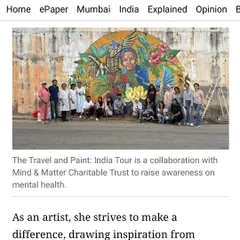
Art for Social Change: Community Murals & Public Art
Art for a Cause: Creating with Purpose
Art with a Message: Emotional Sand Art Storytelling
 7
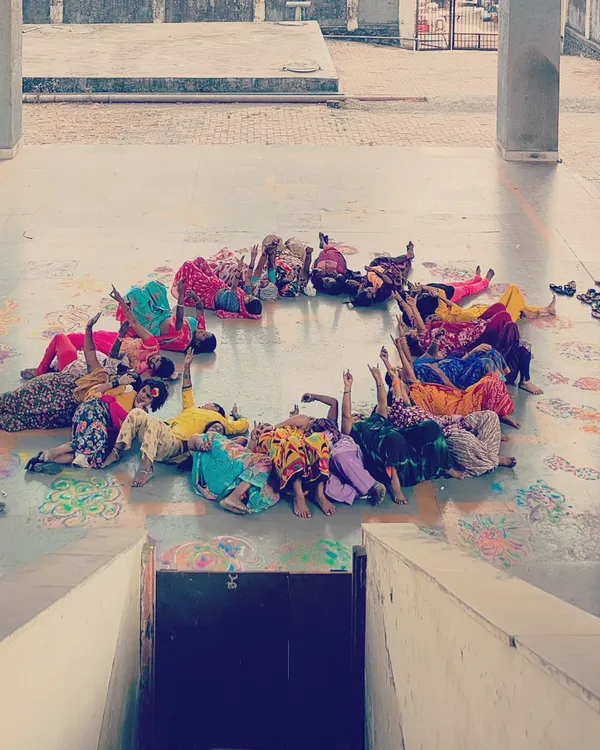
7Art for Social Change and Community Healing
 9
9
Art for Social Change: Murals and Community Facilitation
Art for Wellness & Healing Sessions
More from Custom Art Installations & Murals by Madhuri Umashankar
More services by Madhuri Umashankar