Understanding Women's and Children's Rights in Delhi
Laws protect you, but only if you know how to use them. These legal insights cover domestic violence, maintenance, and essential procedures in Delhi courts.
Domestic violence laws apply equally to live-in relationships and marriages. This information is vital for anyone in an abusive situation.
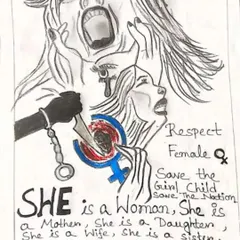
A clear message to stop violence against women. My practice is committed to upholding the laws that protect women's safety and dignity.
This video lists ten important laws for Indian women, covering everything from equal pay to protection from harassment. Knowledge of these laws is empowering.
A list of actions that are included under the definition of sexual harassment. It is important to understand what constitutes this offense.
This video lists different types of rape. Understanding these classifications is the first step in addressing the legal aspects of sexual assault.
A table showing the punishment for rape under IPC 1860, based on the age of the victim. The law provides for stringent punishments for these crimes.
This video highlights common phrases used in victim-blaming, advocating for an end to rape culture. A change in societal mindset is as important as legal action.
The two-finger test in rape cases has been illegal since 2013. It is a violation of a woman's right to privacy and dignity.
An explanation of why marital rape is not yet criminalized in India due to Exception two to Section 375 of the IPC.
This post clarifies that giving dowry is as much of an offense as taking it. A victim of an abusive marriage can file a case against all parties involved.
About Understanding Women's & Children's Rights
Many people believe you must file an FIR to get medical evidence after an assault. This is incorrect. Under Section 164A, you can seek a medical examination without an FIR. Knowing these specific procedural steps is vital because they dictate how evidence is preserved and used later in court.
Why Legal Procedure Matters
In the Indian legal system, rights are only as strong as the evidence supporting them. Whether it is a matrimonial dispute or a criminal complaint, success in court depends on understanding the 'how' and 'when' of legal action. I focus on these details so you are not left guessing.
Common Legal Misconceptions
- Live-in Relationships: These are covered under the Protection of Women from Domestic Violence Act. You have the same rights here as you would in a traditional marriage.
- Dowry Laws: Giving dowry is a crime, just like taking it. If you are trapped in an abusive marriage, you can include those who demanded dowry in your petition under the Dowry Prohibition Act.
- Mental Abuse: It is not just about physical violence. Preventing a partner from working or cutting them off from their family is considered mental and emotional abuse, which are valid grounds for legal action.
How We Handle Your Case
My work is to explain these laws in plain language. I don't give you 'legal drama,' I give you the facts. When we deal with cases at Saket or the High Court, my strategy is built on identifying procedural loopholes that the opposition might ignore. Understanding these rights is the first step toward getting justice.
Similar work from other experts
Browse through Curated picks from other experts on mytribe
 6
6
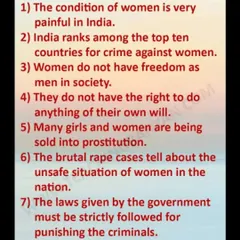
Championing Women's Rights: Legal Guidance & Advocacy


Protecting Your Legal Rights: Guidance for Men and Women

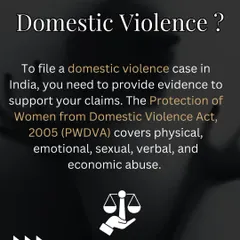
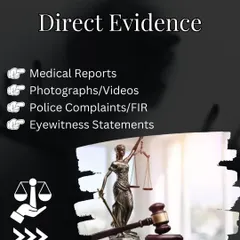
Legal Help and Protection Against Domestic Violence in Delhi


Legal Protection and Rights for Women
 9
9
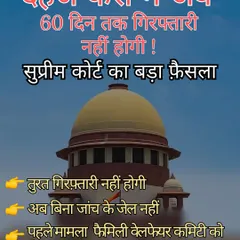
Legal Protection from Domestic Violence and False 498A Cases
Legal Protection Against Domestic Violence
More from Criminal Defense by Rishu Kumar
More services by Rishu Kumar