Inside the Courtroom: Real Legal Proceedings Explained
The courtroom has its own language and pace. These clips from actual proceedings show the reality of the justice system and why preparation is your best defense.
A judge questions the authority behind a property demolition, asking "Whom do you represent? The state or some private persons? You have made a mockery of the law by demolishing someone's house with a bulldozer." This shows the court's role in protecting citizens from unlawful state action.
A judge explains the harsh reality of a title suit, describing the frustrating delays a plaintiff faces. He notes how a defendant can stall a case for months or even years, highlighting the emotional and financial toll of property litigation.
Here, a judge addresses the issue of property mutation for 'Khas Mahal' land. He warns the counsel that he will summon the collector if the mutation is not decided within a week, showing the court's power to enforce administrative action.
In this clip, a judge confronts an individual accused of using a forged property document (bahi) to furnish bail. The judge points out the obvious flaw: "How can you use a document for a property you have already sold?"
A judge admonishes a government lawyer for case delays, stating, "Being a government counsel does not mean you are an adjournment counsel. If you cannot do the work, leave it." This clip underscores the court's expectation of diligence.
A judge makes a powerful statement about police corruption: "When police officers start acting in collusion with criminals, they are no longer police. They are a goon in uniform." This reflects the court's stance against the abuse of power.
A District Magistrate is questioned by the judge for not implementing a High Court order. The judge asks, "Is a government order superior or a High Court order superior?" This reinforces the hierarchy and authority of the judicial system.
This clip shows a judge reacting to the news that a Circle Officer (CO) was jailed for issuing a fraudulent No Objection Certificate for a property. It's a stark example of accountability for official misconduct.
In a moment of judicial frustration, a judge sarcastically tells an official, "We are requesting you with folded hands to bring the papers, because you are very powerful." This highlights the court's struggle against bureaucratic non-compliance.
An Additional Collector is questioned by the judge, with the text overlay asking, "Should you be sent to jail?" This clip demonstrates the serious consequences officials face for contempt of court.
About Inside the Courtroom
What you see in movies is rarely what happens in court. These clips show the harsh reality of property litigation and administrative delays, and they prove that a lawyer's job isn't just about arguing. It is about knowing the procedural gaps, holding officials accountable, and managing your case so the system does not grind you down.
Understanding the Courtroom Reality
Litigation in India is a test of patience. As you can see in these clips, judges often deal with significant procedural lapses, such as government officials delaying mutations or officers failing to implement court orders. This is the reality of the Indian judicial process.
Why Procedure Matters
Whether it is a title suit or a criminal case, procedural accuracy is key. A defendant might stall for months using transfer petitions or adjournments. If you are not prepared for these tactics, your case can drag on indefinitely.
How I Approach These Situations
When I handle a property dispute or a criminal defense case, I focus on:
- Procedural Rigor: Identifying technical defects in the opponent's paperwork or filing to get the court to act immediately.
- Administrative Accountability: Using provisions like Contempt of Court to force action when officials drag their feet on mutation or land records.
- Clear Communication: I ensure you know exactly what is happening at every hearing, whether it is a routine adjournment or a critical bail application.
My Approach to Property & Criminal Law
I do not believe in keeping the law a secret. If you are fighting a false criminal charge or a property fraud case, you need to know how the court views these issues. You can see from these clips that courts value precision over rhetoric. My job is to bring that precision to your case, ensuring you are never caught off-guard in the courtroom.
Similar work from other experts
Browse through Curated picks from other experts on mytribe
Practical Legal Insights for Real World Scenarios
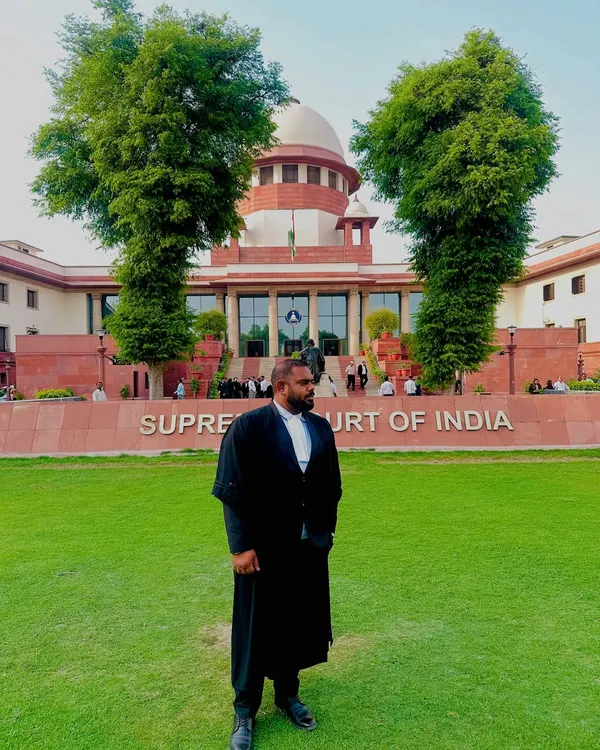 53
53A peek into my life in law

Legal Representation and Courtroom Experience in Delhi
 11
11


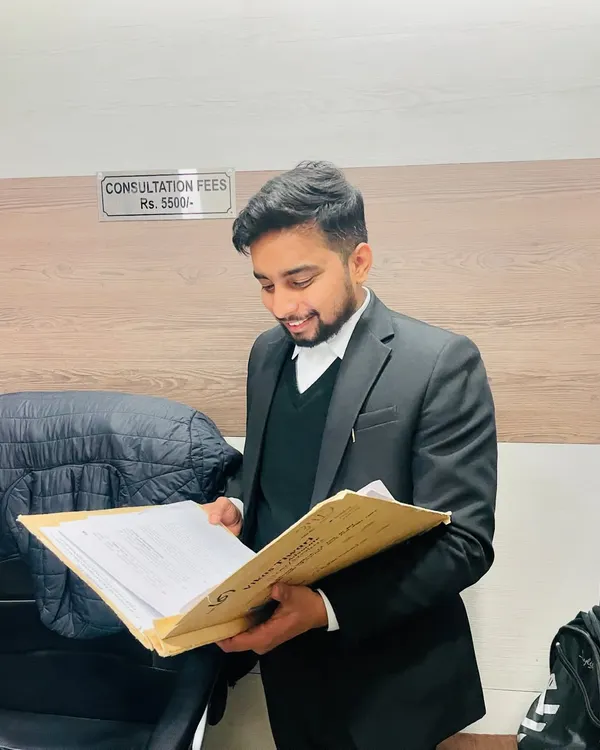
A Lawyer’s Workspace: My Office and Court Practice

A Look Inside My Daily Law Practice


A Day in My Life: Inside My Legal Practice in Delhi
More from Property & Real Estate Law by Sushant Tripathi
More services by Sushant Tripathi