Social & Emotional Growth Through Playful Connection
Social growth is not about learning rules or forced compliance. It happens when children feel safe enough to explore, empathize, and connect with their peers at their own pace.
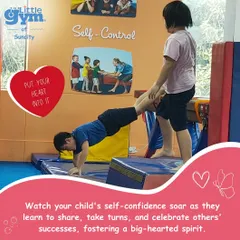
Collaboration is a skill learned through practice. In our small group sessions, children learn to share materials, listen to each other's ideas, and work together, building a foundation for communication and friendship.
The heart learns too. This gentle moment of connection between two children is a beautiful example of developing empathy and social awareness. We create spaces where these quiet, meaningful interactions can flourish.
A hug from a trusted educator provides a moment of co-regulation and emotional safety. Building secure, nurturing relationships is central to our work, as it gives children the confidence to explore, learn, and grow.
A parent and child work together on an embroidery project. These shared activities strengthen bonds and create opportunities for connection, modeling the patience and collaboration we hope to foster in children.
This image, identical to 66, reinforces the importance of parent-child connection. Shared creative moments are powerful opportunities for bonding and mutual understanding.
A field trip to the park is a perfect opportunity for social play. Running, exploring, and sharing discoveries with peers helps children practice social skills in a natural, unstructured, and joyful environment.
About Social & Emotional Growth: Connecting with Others
In our small group sessions, we do not force interactions or impose rigid social scripts. We offer invitations to play that naturally encourage children to share materials, co-create stories, and practice turn-taking when they feel ready. By keeping our group ratios small and focusing on sensory regulation first, we ensure that every child has the safety to observe, participate, and build peer relationships without the pressure of overwhelming social expectations.
True social competence stems from emotional regulation and a sense of security. At our Green Park center, we start by ensuring the child feels comfortable in their own skin. If a child is dysregulated, they cannot connect, so our first step is often sensory grounding—using our sensory gym or messy play materials to help them find a calm baseline.
Moving Beyond Social Scripts
Instead of teaching children to 'act' social, we create conditions where social interaction feels meaningful. This looks like:
- Co-created play: Working with peers to build a fort or manage a kitchen adventure, where the goal is the outcome of the play, not the interaction itself.
- Safe spaces for quiet: We honor the need for solitude. A child who learns to advocate for their own space is better equipped to respect the space of others.
- Real-world practice: In our Intensive Social Skills Camp, we take learning into the community. Market missions and cafe visits provide context for social expectations, making abstract skills feel tangible and manageable.
The Neuro-Affirmative Difference
We view social challenges not as deficits to be corrected, but as differences in how a child processes the world. Our therapists support children in understanding their own nervous system, which builds the empathy and resilience needed for genuine connection. Whether your child thrives in 1:1 sessions or benefits from the energy of a small group, we focus on the journey of discovery, not just the milestones on a checklist.
Similar work from other experts
Browse through Curated picks from other experts on mytribe
 6
6
Nurturing Social and Emotional Skills in Early Years
 15
15Group Therapy for Child Social Skills
Interactive Group Learning and Art Workshops for Kids
 7
7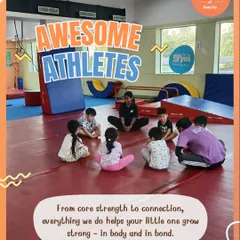
Teamwork and Social Skills Activities for Kids
Raising Confident Children Through Play and Life Skills
 5
5
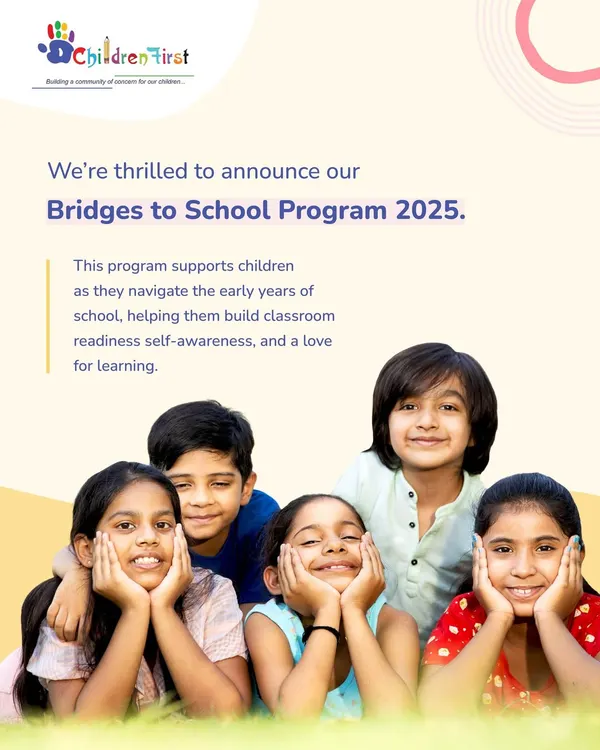
Bridges to School Program for Early Childhood Development
More from Child Therapy & Learning Support by Learning Matters
More services by Learning Matters