Sensory & Messy Play: Building Skills Through Joyful Exploration
We don't just make a mess—we build foundations. Sensory and messy play allows children to regulate their nervous systems, explore textures, and gain confidence at their own pace.
This is what full-body engagement looks like. Messy play isn't about the mess; it's about the freedom to explore textures and sensations without expectation, which is deeply regulating for the nervous system.
This child, once tactile-defensive, is now joyfully exploring oobleck with their feet. This breakthrough was made possible by creating a safe, patient environment where the child could approach the new texture at their own pace.
Look at the focus and collaboration in this messy play session. Children are pouring, mixing, and exploring textures together, learning about cause and effect while also practicing social skills like sharing and turn-taking.
Hammering colorful ice blocks is a multi-sensory experience. It involves sound, touch, and sight, while also providing excellent heavy work for the arms and hands, which can be very organizing for the body.
This child is moving from a dry texture (flour) to an oily one (sooji), a big step for a child with tactile sensitivities. Hiding beads to be found and strung adds purpose to the play, building fine motor skills alongside sensory tolerance.
A city is being built, one sentence at a time. This setup invites a child to explore different sensory bins, from water beads to sand, creating a rich context for language to flourish naturally through play.
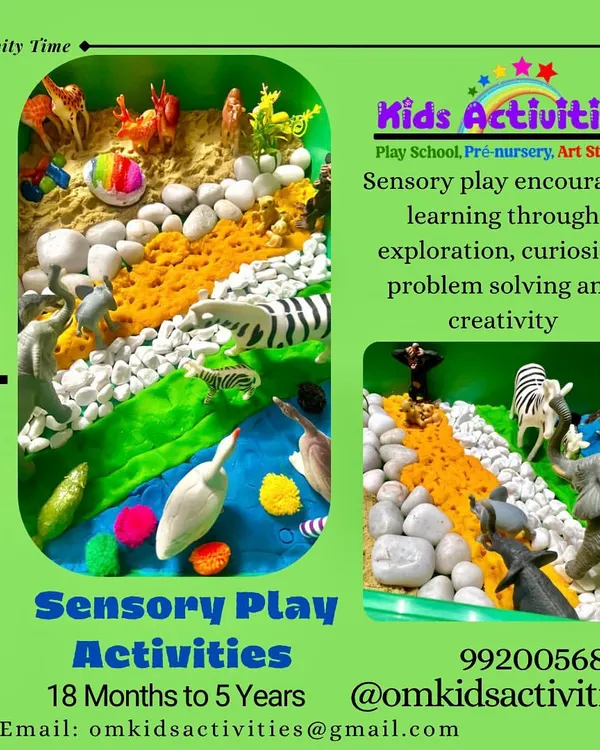
This invitation to play combines multiple textures: soft pom-poms, squishy playdough, and smooth plastic animals. Offering a variety of materials allows children to make choices and lead their own sensory exploration.
Kinetic sand provides a unique tactile experience that is both mouldable and crumbly. It’s a wonderful tool for sensory exploration, fine motor development, and imaginative play.
With hands protected by gloves, a child who is hesitant about messy textures can still engage. This simple adaptation allows them to experience the joy of painting on a large scale, building their confidence one step at a time.
A table full of children engaged with playdough and loose parts. This communal setting encourages social interaction, language development, and collaborative creativity, all centered around a shared sensory experience.
About Sensory & Messy Play: Exploring With Joy
A child who is hesitant about textures doesn't need to be pushed; they need a scaffold. We often start with dry mediums like flour or rice before introducing wetter, stickier sensations like oobleck or paint, allowing the nervous system to adapt at its own speed without the pressure to perform.
Why Messy Play Matters
We often hear parents worry that sensory play is simply about the cleanup, but it is actually one of the most effective tools we have for self-regulation. When a child engages with oobleck, foam, sand, or water, they are doing more than playing—they are processing sensory input. For children with tactile defensiveness, this engagement is a gentle bridge to desensitization. We provide a safe environment where they can touch, pour, and mix, helping them feel secure and grounded.
Our Approach in Green Park
At our Learning Matters center in Green Park, we use a neuro-affirmative framework. This means we respect your child’s unique sensory profile. We don’t force interaction; we invite it. Whether it is a solo session in our sensory gym or a small group activity, our goal is to help your child develop fine motor skills and emotional resilience through their own curiosity.
What You Can Expect
Every session is tailored to the child's developmental goals.
- Tactile Tolerance: Gradually introducing textures to reduce sensory avoidance.
- Fine Motor Development: Strengthening hands and fingers through gripping, pinching, and pouring, which supports skills like handwriting.
- Regulation: Helping children identify how their body feels and what they need to stay calm and focused.
We believe that learning is a messy, beautiful journey. If your child is struggling to navigate their sensory environment, we are here to support them in finding joy and competence in their exploration.
Similar work from other experts
Browse through Curated picks from other experts on mytribe
Messy Sensory Play for Toddlers in Chanakyapuri

Messy Play and Sensory Fun for Toddlers
 45
45
Messy & Magical Sensory Play Classes in Bengaluru
 10
10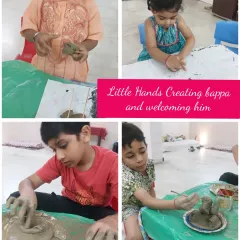
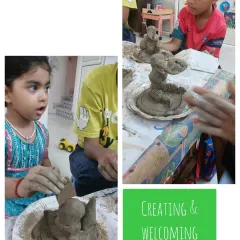
Sensory and Clay Play Classes for Kids
 6
6
Hands-On Sensory Exploration
Process Art and Sensory Play for Kids
More from Child Therapy & Learning Support by Learning Matters
More services by Learning Matters