Our Neuro-Affirmative & Child-Led Philosophy
We believe children are capable, curious protagonists in their own learning. Our work at Learning Matters is rooted in respecting their unique pace and honoring the many ways they express themselves.
Play is not optional; it is essential. This video explains the neuroscience behind play, reminding us that we are biologically built to learn through curiosity, joy, and exploration.
We call them "engagements," not "activities." This chart explains the crucial difference: our approach is child-led and open-ended, focusing on the process of discovery rather than a fixed, adult-directed outcome.
This infographic explains sensory processing differences, a common but often misunderstood aspect of child development. We believe that understanding the "why" behind a child's behavior is the first step toward responding with empathy.
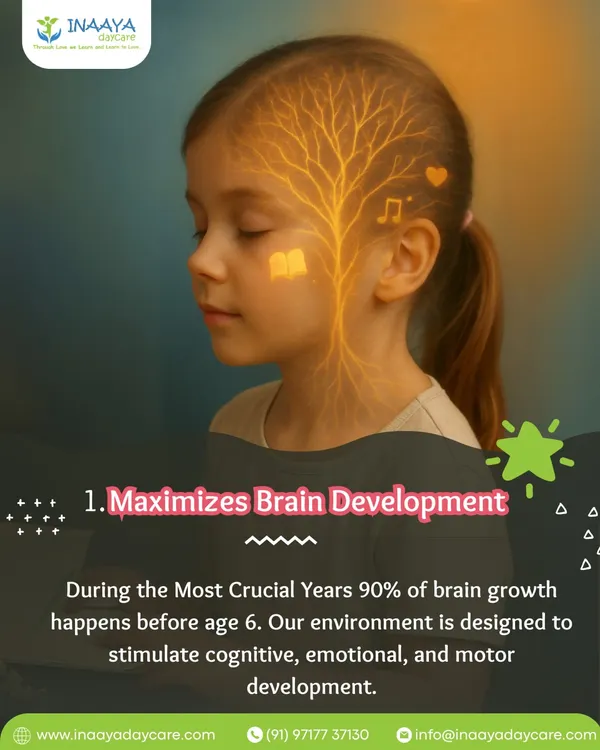
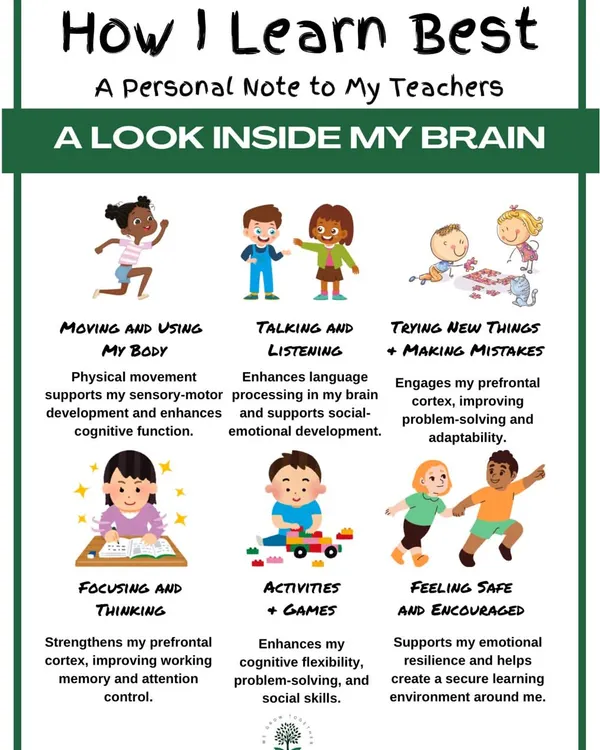
"Brains are built over time, from the bottom up." This core concept from Harvard University's Center on the Developing Child guides our focus on responsive caregiving and playful exploration in the early years.
"Neurons that fire together, wire together." This principle explains why we focus on meaningful, repeated engagements. It’s not about completing tasks, but about building and strengthening the brain's architecture.
This is the first of a series explaining the "100 Languages of Children," a core concept from the Reggio Emilia philosophy. It reminds us that children express themselves in countless ways beyond words.
We must listen with more than our ears. By observing a child's posture, rhythm, and gestures, we begin to understand the many non-verbal languages they use to communicate their thoughts and feelings.
A child might paint a question or build a tower to explain a feeling. Each of these is a valid language, and our role is to honor and interpret all forms of expression.
Expression through many languages supports emotional release and identity formation. It allows children to feel seen and understood, especially when they do not yet have the words to describe their inner world.
When we honor every language a child uses, we build stronger connections, deeper trust, and richer learning. This is the foundation of our respectful and responsive approach.
About Our Guiding Principles
We make a clear, intentional distinction between 'activities' and 'engagements' because the language we use shapes the learning experience. While an activity is typically adult-directed and aims for a fixed, expected outcome, our engagements are open-ended and follow your child's innate curiosity. This means we value the messy, unpredictable process of discovery over the completion of a pre-planned task, ensuring your child learns through genuine exploration.
The Foundation of Our Work
Our approach is heavily influenced by the Reggio Emilia philosophy, which views the child as an active co-creator of meaning. We treat our environment in Green Park as the 'third teacher'—every shelf, corner, and material is curated to invite inquiry, not just occupancy.
The 100 Languages of Children
We recognize that children communicate in more ways than just words. Whether it is through movement, constructing with blocks, painting, or even intentional silence, we observe and honor these expressions. By shifting our role from instructor to careful observer, we can understand the underlying intent behind a child's behavior, especially when they struggle with traditional communication.
A Neuro-Affirmative Approach
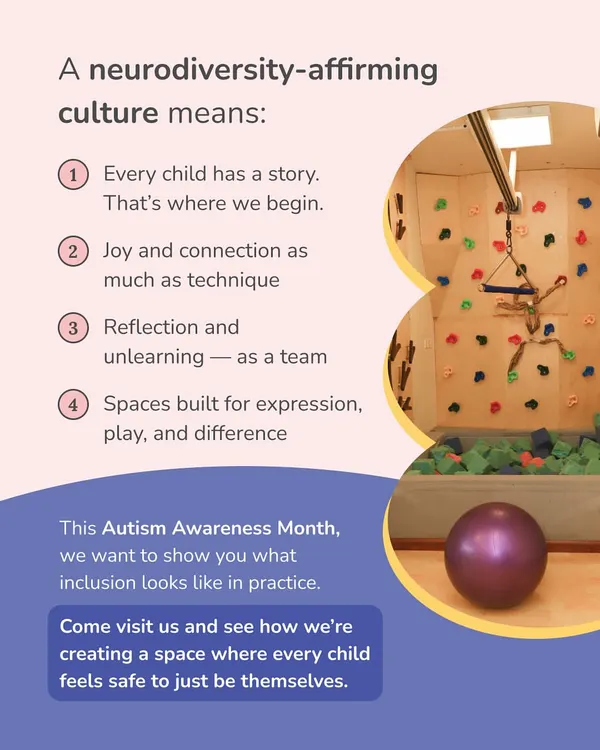
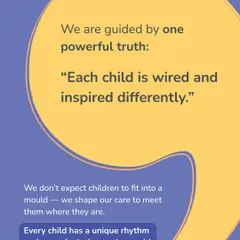
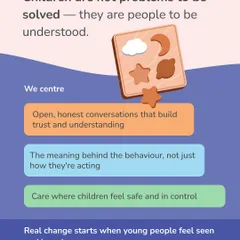
We do not look at children and see deficits to be fixed. Our work is strictly neuro-affirmative, meaning we celebrate how each child's nervous system is uniquely wired. When a child struggles with regulation or focus, we provide sensory support and space rather than demanding compliance. We lean on the research of experts like Dr. Gabor Maté and Peter Gray to validate our stance: play is the biological mechanism by which children grow, learn self-regulation, and build resilience.
Why This Matters
We aren't here to push for scores or hit developmental milestones on a fixed timeline. We are here to build a foundation. When a child feels safe, seen, and empowered to direct their own play, they develop the executive function and emotional security that will serve them for a lifetime.
Similar work from other experts
Browse through Curated picks from other experts on mytribe
 25
25
Our Philosophy & Approach to Early Learning
 8
8
Our Neurodiversity-Affirming Philosophy
The Philosophy Behind Our Play-Based Learning
 10
10My Philosophy: Nurturing the Whole Child
Learning Through Play: Where Curiosity Meets Wonder
Learning Through Joyful Discovery
More from Child Therapy & Learning Support by Learning Matters
More services by Learning Matters