Keep your home safe for your pet
Your home is their sanctuary, but some hidden items are major no-nos. From toxic plants to kitchen hazards, here is how to spot what needs to go.
Did you know common houseplants like money plants and lilies can be toxic to your pets? Our vet lists seven dangerous plants often found in Indian homes and explains what to do immediately if your pet consumes one, including rinsing their mouth and heading to the vet.
Not all spices are safe for your furry friend. This video lists eight toppings you should never add to your pet's food, including excess salt, chili powder, garlic powder, and nutmeg. Sharing your own food can be dangerous due to these ingredients.
This is a critical list of what NOT to feed street dogs. Human foods like biscuits, masala-heavy dishes, chocolate, and grapes can cause severe health issues, from kidney failure to nervous system damage.
Stomach infections are common, especially in warmer months, often due to incorrect meat handling. Our vet shares essential tips, from buying meat from a reliable source to cooking it at the right temperature, to keep your pet's tummy safe.
Being a great pet parent means avoiding common pitfalls. This video covers critical mistakes like overfeeding, misreading behavior that could be a sign of pain, and relying on the internet for medical advice instead of consulting a professional.
About Danger Zone: Common Hazards for Pets
That money plant in your living room? It might be toxic to your fur-baby. Even common household items can lead to emergency trips to the vet if you aren't careful. We've seen too many tummy upsets caused by simple, preventable mistakes like sharing the wrong snacks or improper meat handling in the heat.
Hidden Dangers in Your Home
It is easy to forget that what is safe for us can be dangerous for them. Our vets frequently treat pets for accidental ingestion of common household items.
Toxic Plants to Watch Out For: Many popular Indian household plants are harmful. If your pet consumes these, rinse their mouth, remove plant material, and head to the vet immediately:
- Pothos (Money Plant) & Philodendron
- Lilies (Deadly for cats)
- Aloe Vera & Snake Plant
- ZZ Plant & Dieffenbachia (Dumb Cane)
The 'No-Go' Kitchen List: Stop sharing your tadka or snacks. These spices and foods can cause everything from kidney failure to nervous system damage:
- Excess Salt: Causes hypernatremia.
- Chili Powder & Garam Masala: Destroys their gut health.
- Garlic & Onion Powder: Toxic to blood cells.
- Nutmeg, Oregano, & Cocoa Powder: Extremely dangerous in small amounts.
Proper Meat Handling: Summer & Monsoon Tips
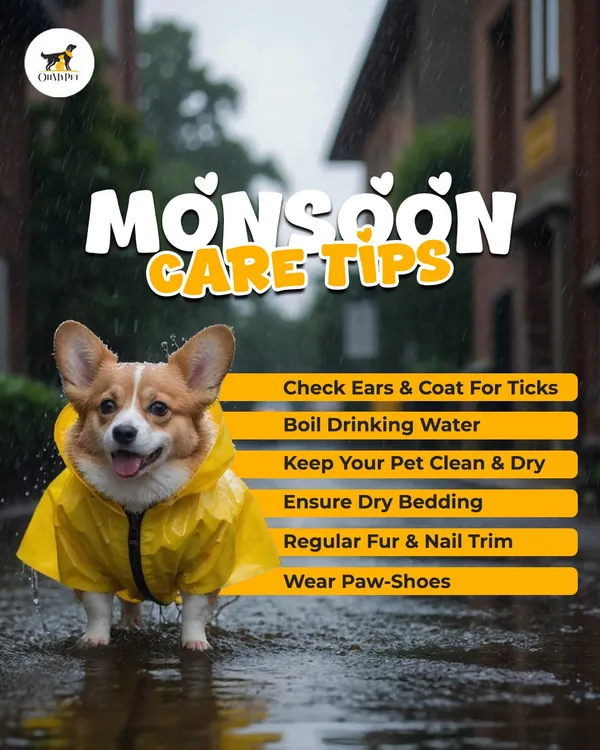
Stomach infections spike during the monsoon. Don't let your pet be a victim of bacterial growth:
- Procure Wisely: Only buy meat that is cold or frozen, never warm to the touch.
- Defrost Right: Never thaw at room temperature. Use the fridge or microwave to avoid rapid bacterial multiplication.
- Cook Thoroughly: Reach a core temperature of 165°F.
- Storage: Keep cooked and uncooked meat separated to avoid cross-contamination.
Stop Googling, Start Consulting
'Doctor Google' is not your vet. What worked for your neighbor's Golden Retriever might be lethal for your cat. If you see lethargy, vomiting, or strange behavior, don't wait for it to pass. Our at-home vets can help you identify if it is just a bad meal or something that needs a blood test. Let's make their food story a happy one, not a scary one.
Similar work from other experts
Browse through Curated picks from other experts on mytribe
 16
16

Pet Health & Safety Gyaan
Plant Care Cheat Sheets for Every Corner
 20
20
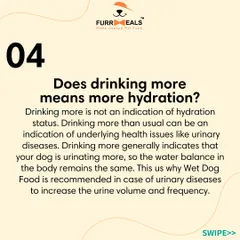
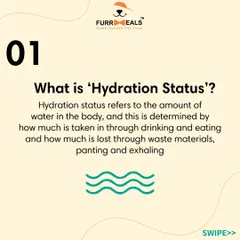
Common Dog Health & Safety Questions
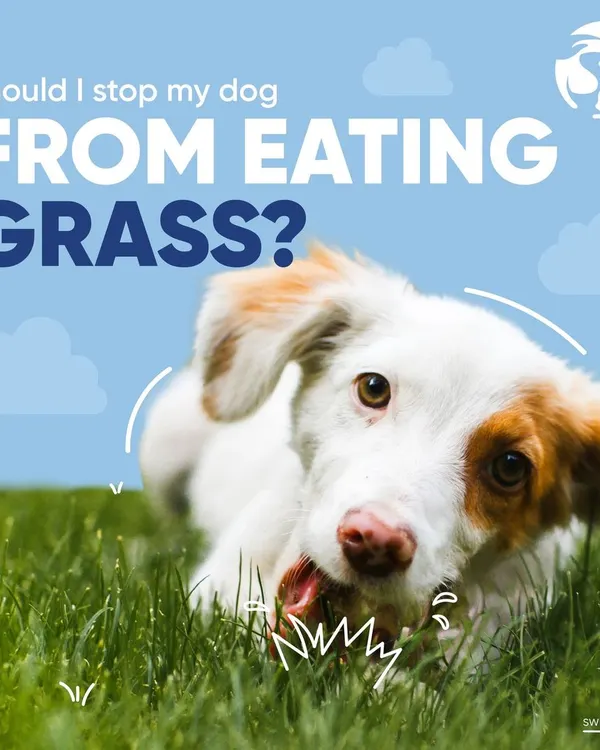 6
6


Canine Care Corner: Expert Vet Advice for Dog Owners
Essential Pet Care Tips for Happy Pets
 11
11


Quick Pet Facts and Practical Care Tips
More from Pet Nutrition Consultation by Kuddle
More services by Kuddle