Common Dog Health & Safety Questions
As a fellow dog mom, I know that for every wagging tail, there is a new question about their health. Here are the answers I rely on, backed by vet knowledge to keep your fur baby safe.
A crucial reminder for every pet parent: chocolate is toxic for dogs. While it's a treat for us, it can cause serious health issues for them. Let's keep our furry friends safe by never sharing our sweets.
Is my dog dehydrated? This series explains what 'hydration status' means, how to check for it using the skin and gum tests, and why drinking more water isn't always a sign of good hydration.
Is my dog dehydrated? This series explains what 'hydration status' means, how to check for it using the skin and gum tests, and why drinking more water isn't always a sign of good hydration.
Is my dog dehydrated? This series explains what 'hydration status' means, how to check for it using the skin and gum tests, and why drinking more water isn't always a sign of good hydration.
Is my dog dehydrated? This series explains what 'hydration status' means, how to check for it using the skin and gum tests, and why drinking more water isn't always a sign of good hydration.
Is my dog dehydrated? This series explains what 'hydration status' means, how to check for it using the skin and gum tests, and why drinking more water isn't always a sign of good hydration.
Is my dog dehydrated? This series explains what 'hydration status' means, how to check for it using the skin and gum tests, and why drinking more water isn't always a sign of good hydration.
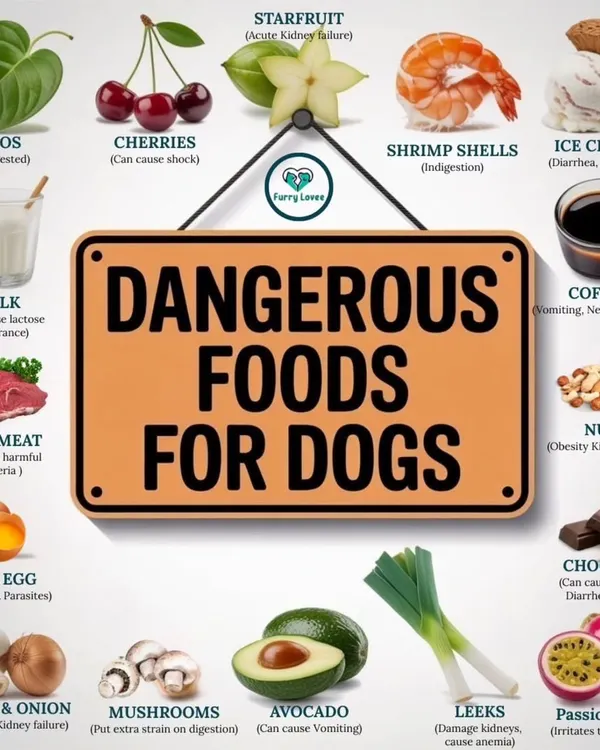
Not all human foods are safe for dogs. This guide shows seven common fruits and vegetables, like grapes and onions, that you should never feed your pet to avoid potential toxicity.
Not all human foods are safe for dogs. This guide shows seven common fruits and vegetables, like grapes and onions, that you should never feed your pet to avoid potential toxicity.
Not all human foods are safe for dogs. This guide shows seven common fruits and vegetables, like grapes and onions, that you should never feed your pet to avoid potential toxicity.
About Common Questions & Safety Tips
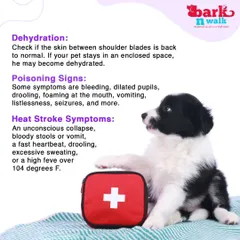
One of the most common mistakes I see is assuming a dog is hydrated just because they are drinking more water. Sometimes, excessive thirst is actually a red flag for underlying issues like kidney stress. I always teach pet parents how to use the 'Skin Turgor' test—a simple pinch-and-release check on the shoulder—to see if their pup is actually getting the moisture they need, or if it is time to visit a vet.
Understanding Your Dog's Needs
Being a pet parent is a learning curve, and it is normal to have questions about what is safe and what is not. My approach is simple: if I would not feed it to my own beagle, I will not suggest it for your doggo.
The Hydration Myth
Many parents panic when they see their dog drinking more water. While it can be a sign of heat or exercise, it is also a clinical sign of potential urinary or kidney disease. Increased water intake is the body's way of trying to maintain balance. If you notice a change in your dog's drinking habits, do not just assume it is the weather. Check their gums—they should be moist, not tacky—and check their skin elasticity. If you are worried, we should discuss switching to wet, fresh food, which naturally increases moisture intake compared to dry kibble.
Dangerous Foods to Avoid
It is heartbreaking to see dogs suffer from accidental toxicity. We all want to share our snacks, but please keep these off the menu:
- Grapes and Raisins: These can cause rapid kidney failure, even in small amounts.
- Onions and Garlic (in quantity): These damage red blood cells and cause anemia.
- Chocolate: A classic, but still dangerous. It contains theobromine, which affects their heart and nervous system.
Shedding and Coat Health
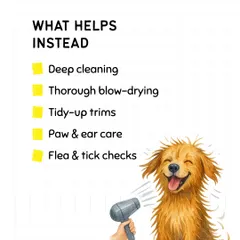
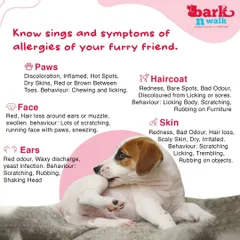
If your house is covered in hair, you might think it is just 'that time of year.' While shedding is natural, excessive fur loss is often a reflection of diet. If your dog is getting high-glycemic fillers like wheat or corn, it causes systemic inflammation. That inflammation shows up on the skin. A shift to a balanced, fresh diet helps nourish the skin barrier from the inside out, often reducing shedding significantly in just a few weeks.
Do you have a specific concern about your pet's behavior or diet? Let's chat about it.
Similar work from other experts
Browse through Curated picks from other experts on mytribe
Pet Parent University: Expert Health & Wellness Guides
 10
10
Essential Dog Health & Safety Tips
Practical Pet Parenting Tips for Every Doggo
 21
21
Pet Care Tips & Wellness Guide
Practical Dog Wellness and Daily Care Tips
 14
14
Puppy Care and Safety Tips for New Pet Owners
More from Canine Nutrition Consultation by FurrMeals
More services by FurrMeals