Protecting Fundamental Rights and Fighting Illegal Detention
Law is not just paperwork; it is the shield for your liberty. We fight executive overreach and illegal detention across India's courts.
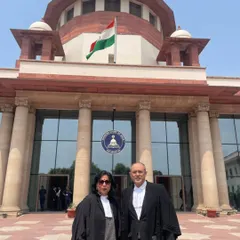
Standing before the Supreme Court of India, where we fought to uphold a democratic mandate. Our client, an elected official, was blocked from serving despite three lower court victories. We invoked Article 32, arguing that defying judicial orders suspends democracy itself. The Supreme Court agreed, ordering his immediate reinstatement.
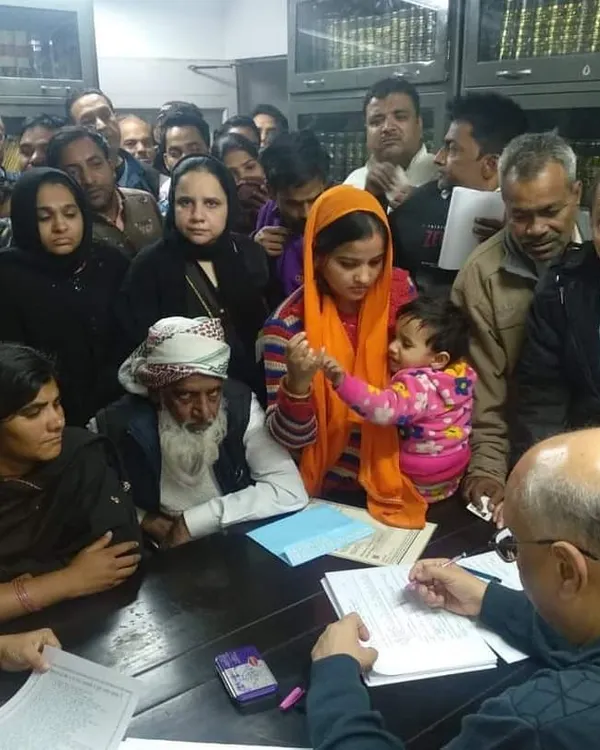
This is the court order that secured the immediate release of our client from illegal detention. The magistrate refused to grant police remand, noting the absence of a prima facie case and the violation of arrest procedures.
A closer look at the legal arguments we presented against the illegal detention. We highlighted the violation of Article 22(2) of the Constitution and the fabrication of the arrest memo to secure our client's freedom.
About Upholding Fundamental Rights
When we fight illegal detention, we don't just argue facts; we scrutinize the arrest procedure itself. In a recent case, we secured a client's release by highlighting the police's failure to adhere to the 24-hour production rule and D.K. Basu guidelines. We compare the arrest memo against actual general diary entries to find the procedural cracks that courts ignore.
Challenging Procedural Overreach
Your liberty is non-negotiable. When the executive power ignores constitutional safeguards, we intervene. Whether it is an Article 32 petition before the Supreme Court to restore a democratic mandate or appearing before a Duty Magistrate to challenge a fabricated arrest memo, our approach remains the same: identify the procedural lapse and fight until the order is passed.
Why Procedure Matters
Police actions often rely on the assumption that the accused is unaware of their rights. We look for:
- Article 22(2) Violations: Failure to produce the accused before a magistrate within 24 hours.
- D.K. Basu Guideline Breaches: Lack of proper arrest memos, family notification failures, or untraceable custody.
- Prima Facie Flaws: Challenging the validity of charges (like BNS sections) when medical or complaint evidence is absent.
Real Impact
Recently, we acted for a client in Meerut who was picked up at midnight and held for 36 hours without an FIR or magistrate appearance. By forcing the court to examine the discrepancy between the police's fabricated arrest memo and the actual timeline, we got the remand rejected and our client released.
We do not look for shortcuts. We build arguments from the ground up, citing Supreme Court and High Court precedents to ensure your fundamental rights remain protected against any form of illegal detention or executive defiance.
Similar work from other experts
Browse through Curated picks from other experts on mytribe
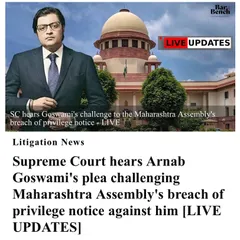
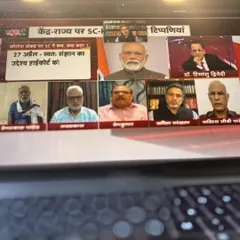
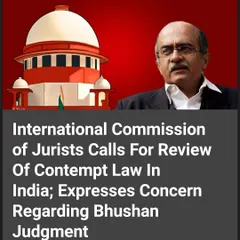
Defending Fundamental Rights and Media Freedom
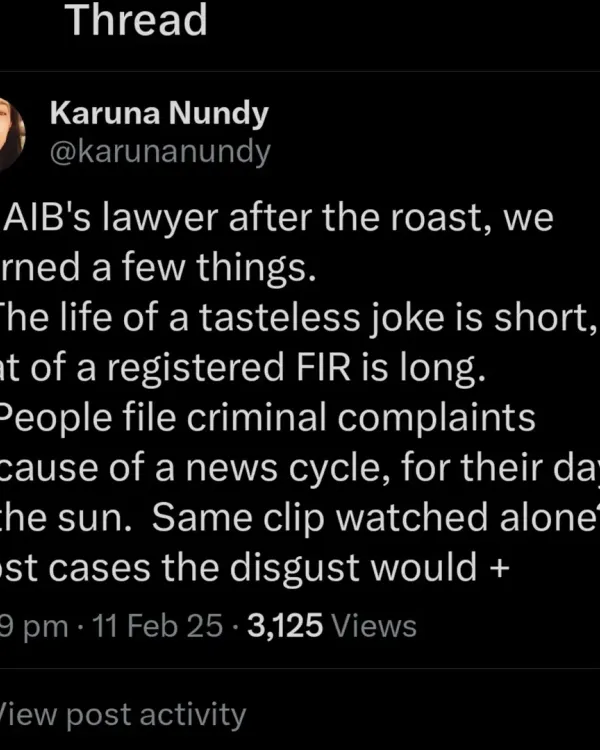
Standing United for Legal Rights and Advocacy
 8
8
Constitutional Law and Free Speech Advocacy
 7
7
Fighting for Your Rights and Social Justice in Delhi

Featured Legal Advocacy: My Fight for Justice and Reform
 5
5

Legal Practice in Action: Fighting for Rights in Delhi Courts
More from Criminal Law Defense by Kanishk Arora
More services by Kanishk Arora