Nurturing Hearts and Minds: Practical SEL Resources
Emotional health is the foundation of all learning. Explore simple, actionable frameworks designed to help parents and educators foster empathy, resilience, and connection in children.
An infographic on Co-Regulation, a key concept in my V.O.I.C.E.S. framework. It provides actionable steps for adults to help children manage big emotions by first regulating their own nervous system.
This graphic outlines simple yet powerful ways to spend Quality Time with children. Being present and fully engaged is one of the most important things we can do to build strong connections.
An infographic detailing 'How to Include Others.' These strategies, like using inclusive language and modeling respect, are essential for creating safe and welcoming spaces in homes and classrooms.
A video explaining practical ways to make others feel included, part of my V.O.I.C.E.S. series. It offers simple phrases and non-verbal cues that can make a significant difference in fostering a sense of belonging.
A visual guide titled 'How I Learn Best,' which offers a look inside a child's brain. It explains how movement, play, and feeling safe are scientifically linked to better cognitive function and learning.
An infographic on 'The Dangers of Labeling Children.' It explains how labels can become self-fulfilling prophecies and encourages adults to focus on understanding the root cause of behavior instead.
A graphic titled 'They Are Observing,' which lists the many ways children learn from watching the adults in their lives. It's a powerful reminder that our actions are the most important lessons we teach.
A video with a song and prayer for managing noise in a middle school classroom. Using music is a gentle and effective classroom management tool to regain focus.
A similar video with a song for elementary school students, set to the tune of 'Twinkle Twinkle Little Star.' These age-appropriate tools help teachers create a calm learning environment.
An infographic on 'The Power of Praise,' offering specific ways to show genuine appreciation. This was inspired by my son's heartfelt thank-you note, showing that praise is a learned and powerful skill.
About Nurturing Hearts and Minds: SEL Resources
Often, we mistake a child's tantrum for defiance, when it is actually a plea for regulation. I have found that when adults pause to calm their own nervous system first, a process I call co-regulation, the dynamic shifts instantly. These resources are not about fixing bad behavior. They are about understanding the human needs driving it, so we can stop reacting and start connecting.
Building Emotional Intelligence
Emotional intelligence is not an abstract concept. It is a set of skills we can practice every day. My approach centers on the V.O.I.C.E.S. framework: Voice, Open-mindedness, Inspiration, Courage, Empathy, and Support. Whether you are managing a busy classroom in Bengaluru or navigating homework battles at home, these pillars help you create a space where children feel safe enough to be themselves.
Practical Classroom & Home Strategies
- Co-Regulation: You cannot demand calm from a child if you are dysregulated yourself. We explore techniques like deep breathing and 'quiet noise' songs to lower the temperature in the room.
- The Problem with Labels: When we label a child as 'naughty' or 'loud', we create a self-fulfilling prophecy. My resources help you look past the label to identify the underlying cause, whether it is a lack of attention, sensory overload, or simple exhaustion.
- Quality Time: Being present is a skill. It involves putting away devices, listening without fixing, and celebrating small moments of growth.
Why This Approach Matters
Traditional education often emphasizes rote memorization, but children thrive when they feel seen. By focusing on social-emotional learning (SEL), we equip students with the executive functioning skills—like impulse control and time management—they need for life, not just for the next exam. My goal is to bridge the gap between disconnection and belonging, one interaction at a time.
Similar work from other experts
Browse through Curated picks from other experts on mytribe
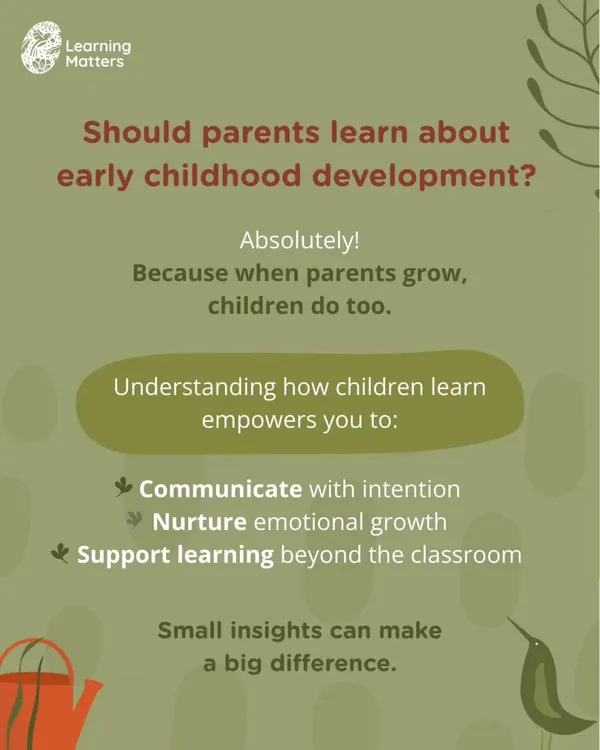
Nurturing Emotional Intelligence in Early Childhood
 36
36
Parent Education & Family Workshops
 11
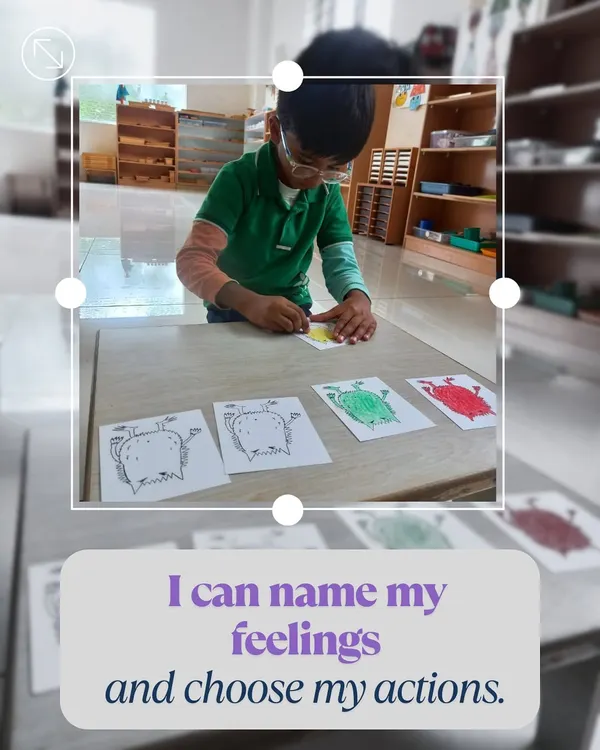
11Social and Emotional Growth for Preschoolers
 14
14
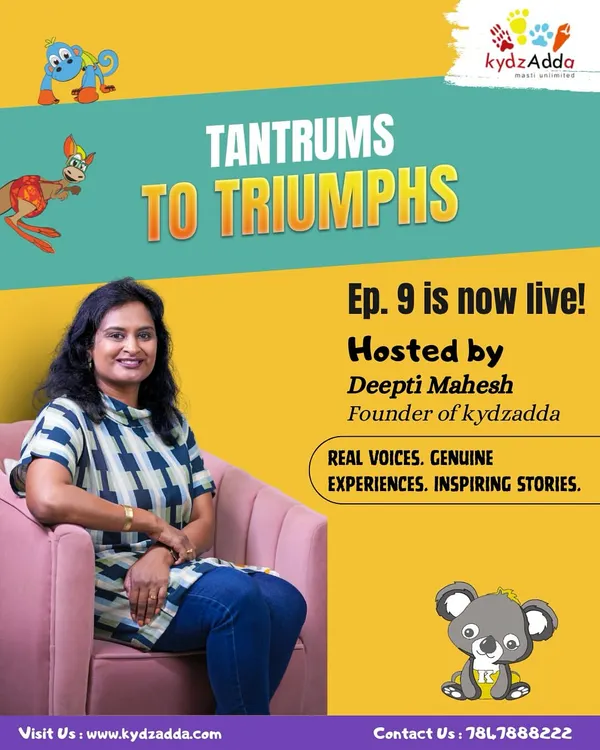
Emotional Wellbeing & Inclusive Parenting Workshops
Yogic Parenting: Tools for Conscious Connection
 7
7
Parenting Workshops & Community
More from Professional Development & Educational Workshops by Hattennoki
More services by Hattennoki