The Core Lifts: Building Raw Strength for Combat
Gym mirrors don't win fights, strength does. We stop chasing the pump and start lifting for real power. These compound lifts—squats, bench, and deadlifts—are how you actually prepare your body for the mat and the cage.
A typical deadlift day involves careful warm-ups, progressive sets, and heavy singles. This is how we build the strength that shows up in a fight, not just in the mirror.
Another look at the deadlift in action. Notice the focus on form and control, which is critical for lifting heavy and preventing injury while building functional strength for MMA.
This video shows a deadlift variation, focusing on maintaining a strong, neutral spine throughout the lift. This is a key part of my strength program for BJJ athletes.
Executing a heavy deadlift. This movement is one of the best for developing overall power, crucial for takedowns and clinch work in wrestling and MMA.
The deadlift builds the entire posterior chain. This is a full-body lift that has direct carryover to the strength needed on the mats.
The barbell squat is essential for leg drive and power. This video shows the proper depth and form I teach to ensure maximum benefit for combat athletes.
Even warm-ups have a purpose. Here, I am preparing for heavy squats with controlled bodyweight movements to ensure my joints and muscles are ready for the load.
A closer look at a bodyweight squat warm-up. Mobility and proper activation are key before moving on to heavy compound lifts like squats and deadlifts.
Getting ready for a heavy bench press session. The bench is the third pillar of our core lifts, essential for building upper body pressing strength for framing and control in grappling.
The result of consistent, heavy squats. A well-developed back provides the base of support for nearly every athletic movement in combat sports.
About The Core Lifts: Foundation of Strength
Most people in the gym chase the pump, but that feeling fades the second you step off the floor. I train fighters differently. We use powerlifting schemes like heavy singles and low-rep sets because you need explosive power that stays with you, not muscle that just looks good for a selfie. You are here to become a harder target, not to train like a bodybuilder.
Functional strength in fighting isn't about isolation movements. If you want to improve your takedowns, guard retention, or defensive framing, you need a solid posterior chain and raw pressing power.
Why the Core Lifts Matter
My approach at Crosstrain Fight Club in Sainik Farm is simple: we prioritize the Deadlift, Squat, and Bench Press. We don’t train for fatigue; we train for capacity. You will learn to handle heavy loads with perfect form. I audit your posture in real-time, especially for deadlifts, to make sure you aren't leaving your lower back vulnerable when you get on the mats.
The 'Heavy' Difference
- Heavy Singles: In a fight, you get one chance to explode. You need to teach your nervous system to recruit max fibers instantly. That is what we train for.
- No Vanity Reps: If you can lift it 15 times, it is not heavy enough to build the strength you need. We focus on 5s, 3s, and heavy singles.
- Assistance Work: Compound lifts are the main course, but we use rows and lat pulldowns to build the back strength required for grappling control.
Who This Is For
This is for the person who wants to be harder to kill. If you are willing to leave your ego at the door and focus on learning the movement, I have your back. If you just want to 'work out' and chase a pump, you are in the wrong place.
Similar work from other experts
Browse through Curated picks from other experts on mytribe
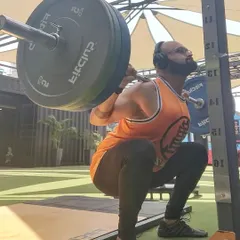
The Core Lifts: Mastering the Foundation of Real Strength
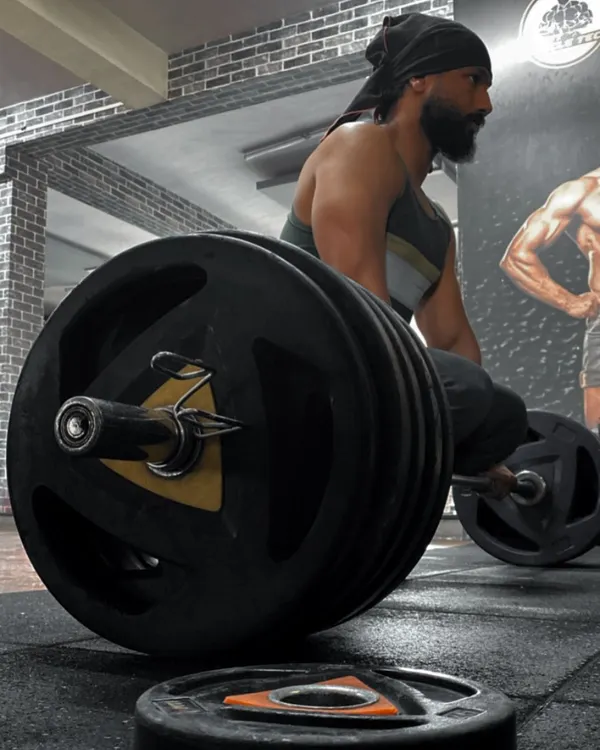 11
11Building Raw Strength: Mastering the Big Lifts
The Big Lifts: Foundational Strength
Strength Training: The Foundation of Real Power
Heavy Compound Lifts for Championship Strength
The Big Lifts: Master Squat, Bench, and Deadlift
More from Strength & Conditioning for Combat Athletes by Gaurav Gulliya
More services by Gaurav Gulliya