Train Smarter: The Science of Fitness
Fitness is not just about how much you sweat, but the intelligence behind every move. We break down the science of training, nutrition, and recovery so you can stop guessing and start building.
Not all cardio is created equal. The right type for you depends on your goals, fitness level, and time constraints. Let's break down the differences.
LISS, or Low-Intensity Steady State, is slow and steady cardio ideal for beginners and recovery days. Think walking or light cycling. It's easy to stick with and great for fat loss.
MISS, or Moderate-Intensity Steady State, is the sweet spot for stamina and efficient calorie burn. This includes activities like running or rowing at a heart rate of 65-75%.
HIIT, or High-Intensity Interval Training, involves short bursts of maximum effort. It's perfect for athletic individuals and those short on time, as it burns calories long after you're done.
Still confused about which cardio suits your goals? As your personal trainer, I guide you on whether to use LISS, MISS, or HIIT for fat loss, stamina, or performance. We train smarter, not just harder.
A common question is whether to do cardio before or after weights. For most goals, I recommend doing cardio after weights or on separate days to ensure you have maximum energy for strength training.
Isolation versus compound exercises: which one builds real muscle? This breakdown will change how you train forever. It's not about one being better, but about knowing when to use each.
A squat is a perfect example of a compound exercise. It targets multiple large muscle groups like glutes, quads, and hamstrings, burns major calories, and improves overall posture and balance.
A hamstring curl is an isolation exercise. It works only the hamstrings, making it great for focused muscle growth or rehabilitation, but it burns very few calories compared to compound movements.
So, when should you use isolation versus compound exercises? I advise using isolation for injury rehab or sculpting, and compound for muscle gain, fat burn, and performance. Combining both gives you maximum gains.
About Train Smarter: The Science of Fitness
Most people walk into a gym and just follow the crowd, but that is a fast track to plateaus or injury. We prioritize the science behind your movement, from selecting the right cardio for your specific metabolic goal to ensuring your compound lifts are biomechanically sound. If you are doing endless crunches or generic cardio without seeing the scale move, it is time to stop guessing and start training with a purpose.
Training with Purpose
True progress happens when you move beyond just working hard and start training smart. Whether you are a beginner or looking to break a plateau, understanding the 'why' behind your routine is the difference between stalled progress and real results.
Cardio: LISS, MISS, or HIIT?
Not all cardio is built for the same goal. If you are training for endurance, MISS (Moderate-Intensity Steady State) might be your sweet spot. If you are short on time and looking for high calorie burn, we look at how to safely incorporate HIIT. We help you choose the right method based on your recovery capacity and current fitness level, not just what's trending.
Compound vs. Isolation
Are you struggling to gain strength? You might be over-relying on isolation exercises. We teach you how to integrate compound movements—like squats and deadlifts—that recruit multiple muscle groups, burning more calories and building functional strength. We then use isolation movements strategically for rehab, injury prevention, or targeted sculpting.
The Recovery Factor
Training is only half the battle. If you aren't prioritizing sleep and recovery, you are sabotaging your gains. We coach you on the physiology of rest, explaining how deep sleep regulates the hormones necessary for muscle repair. When you train with us at our J.P. Nagar facility, we ensure your program includes the recovery protocols your body actually needs to stay in the game long-term.
Similar work from other experts
Browse through Curated picks from other experts on mytribe
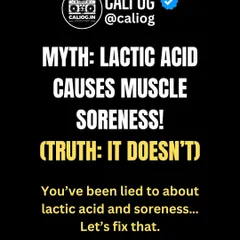
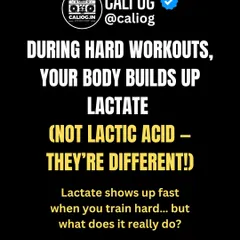
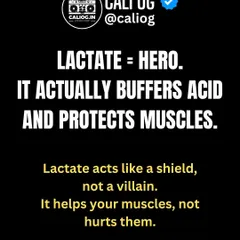
Fitness IQ: The Science Behind the Grind
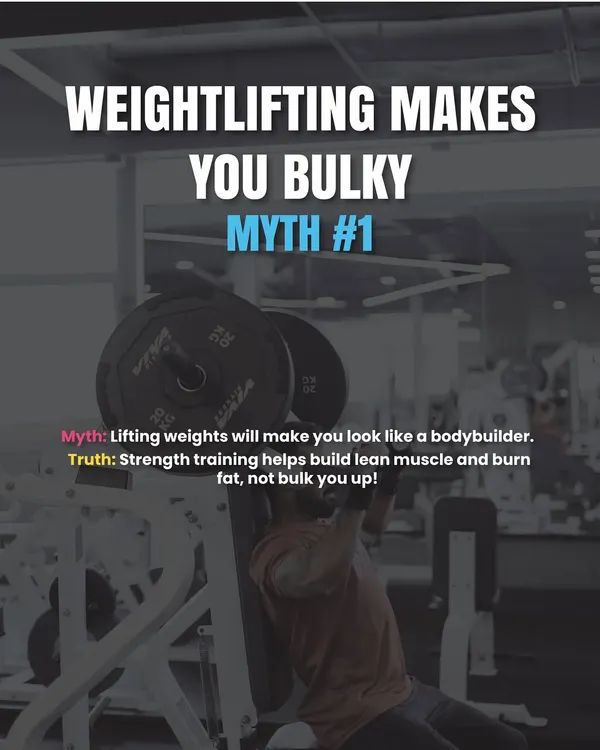 32
32

Train Smarter: Pro Tips & Myth Busting
 8
8


The Science of Smart Training
The Science of Fitness: Training and Nutrition Explained
 11
11
Fitness Education: Master Technique and Science-Based Training
 9
9
Move Better, Live Stronger: Smart Fitness in JP Nagar
More from Personal Training by Goldkraft Fitness
More services by Goldkraft Fitness