Music and Entertainment Intellectual Property Legal Advisory
Secure your creative output with expert legal guidance on copyright registration, trademark protection, and entertainment contract negotiations.
Our #SoundSafe campaign explores wild IP moments from the world of music to illustrate the importance of protecting creative works.
We analyze how Taylor Swift's re-recording of her albums created new sound recordings she owned, a power move that reshaped music industry contracts.
A fascinating case study: John Fogerty was sued for plagiarizing a song he wrote because his old label owned the copyright. This highlights the complexities of copyright ownership.
Can you copyright silence? We explore the case of composer John Cage's 4'33", which proved that even conceptual art can be protected under copyright law.
We examine the 2005 Sony BMG rootkit scandal, a case that serves as a cautionary tale about digital rights management and consumer trust.
An example of innovative financing in music: David Bowie issued "Bowie Bonds," trading future royalties for upfront cash, blending intellectual property with high finance.
Our first #SoundSafe tip focuses on the critical importance of understanding music contracts before signing away rights to your creative work.
We explain the two parallel rights in a song: the musical composition (rhythm, melody) and the sound recording (the "master").
Artists must be aware that while their musical composition is celebrated, the sound recording often generates higher revenue, a key point in label negotiations.
We advise artists to carefully weigh the pros and cons of signing away rights to their 'masters' to a music label, balancing revenue loss against extended market reach.
About #SoundSafe: Protecting Music and Entertainment IP
Many creators inadvertently sacrifice significant rights by failing to distinguish between the copyright in a musical composition and the rights to the sound recording. Whether you are signing with a label or releasing independently, it is imperative to secure your 'master' rights early to maintain long-term control over your creative output and revenue streams.
Our Approach to Music and Entertainment Law
At Fox Mandal & Associates, we understand that intellectual property is the fundamental asset for musicians, composers, and entertainment professionals. Through our #SoundSafe initiative, we provide structured legal support that moves beyond standard documentation to ensure your creative work is defensible and commercially secure.
Core Areas of Legal Advisory
- Copyright Protection: We assist in the precise registration of musical compositions and sound recordings. Our team ensures that your documentation, including 'Statement of Particulars' and ownership chain records, meets the strict requirements of the Copyright Act.
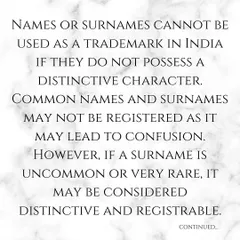
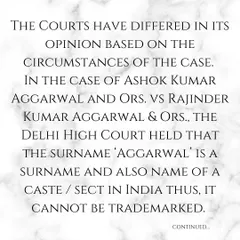
- Trademark Registration: Your artist name, stage name, or band logo constitutes a valuable brand asset. We handle comprehensive trademark searches and filing processes to prevent brand erosion and cybersquatting.
- Contract Review and Negotiation: We conduct thorough due diligence on recording contracts, distribution agreements, and sync licensing deals. Our lawyers identify hidden clauses that may compromise your royalties, creative control, or rights to future exploitation.
- Dispute Resolution: In the event of infringement, plagiarism allegations, or breach of contract, our litigation team provides strategic counsel to protect your interests in tribunals and courts.
Why Legal Precision Matters
The entertainment industry is defined by complex rights management. Simple oversights, such as failing to timestamp digital audio workstation (DAW) files or signing agreements without adequate clauses for ownership reversion, can have lasting financial consequences. Our senior counsel works to mitigate these risks by providing clear, actionable advice on copyrightability and ownership structure before you finalize your projects. We combine technical legal knowledge with a deep understanding of industry standards, ensuring your rights are protected across all media platforms.
Similar work from other experts
Browse through Curated picks from other experts on mytribe
Trademark Registration Services for Your Business



Legal Foundations for Fashion Professionals
 19
19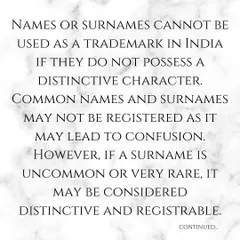
Demystifying IP Law: A Practical Guide for Indian Brands
 6
6
Patents and Copyrights Protection Guide
Secure Your Brand Identity with Professional Trademark Support
Protecting Your Brand: Legal IP Strategy for Startups
More from Intellectual Property by Fox Mandal & Associates
More services by Fox Mandal & Associates