Expert Insights on Hair Health and Restoration
Understanding your hair health is the first step toward recovery. Dr. Arika Bansal and Dr. Pradeep Sethi answer your questions on treatments, common misconceptions, and the real science behind hair loss.
How do you know if a hair transplant is the right solution for you? Dr. Arika Bansal explains the key indicators, clarifying that a transplant is for reversing baldness, not just for early hair thinning. We only recommend a transplant when an area is 70 to 100 percent empty and the donor hair quality is sufficient for a successful outcome.
A hair transplant is not a treatment for hair fall; it is a solution for baldness. Dr. Arika Bansal clarifies this common misconception, explaining that there is no such thing as a "preventive" hair transplant. The procedure is only recommended when a specific area of the scalp is significantly empty.
At what point do people typically seek help for hair loss? Dr. Arika Bansal explains that early signs of thinning are often only visible in bright light or when hair is wet. Most people wait until hair loss is over 50% and the scalp becomes visible, but we encourage early consultation for preventive care.
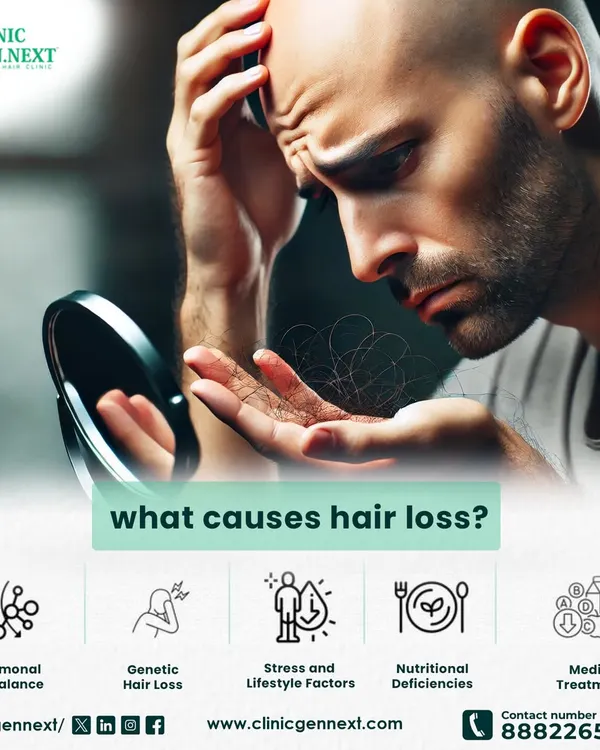
What is the biggest factor in hair loss? Dr. Arika Bansal explains that for men, genetics is the primary cause in about 80% of cases. For women, hair thinning is more often linked to dietary deficiencies and stress. Understanding the cause is the first step toward an effective treatment plan.
Is a receding hairline always a sign of baldness? Not necessarily. Dr. Arika Bansal discusses the natural process of "hairline maturation," where a man's hairline changes from a straight, teenage shape to a more defined M-shape in adulthood. We help you distinguish this from actual male pattern baldness.
We believe in complete transparency about long-term results. Dr. Arika Bansal discusses the myth that transplanted hair is permanent. While it is long-lasting, it can thin over time without proper maintenance, which is why we provide an informed consent and a clear plan for preserving your results.
Dr. Arika Bansal discusses the future of hair restoration, including research into stem cells and hair cloning. While these technologies are still developing, we are constantly improving our current techniques and instruments to enhance patient comfort and deliver even better results.
Dr. Pradeep Sethi shares his vision for the future of hair loss treatment, focusing on stem cell therapy. He explains the potential of extracting baldness-resistant stem cells and using them to rejuvenate thinning hair, a cutting-edge field of research we are actively exploring.
Why are hair transplants more common today? Dr. Arika Bansal explains that while baldness has always been prevalent, the availability of effective solutions has increased awareness and demand. Advances in technology and expertise have made it possible to not only prevent hair loss but also reverse it.
Can exercises like yoga help with hair regrowth? Dr. Arika Bansal confirms that poses like Sirsasana (headstand) can increase blood flow to the scalp and potentially stimulate some regrowth. However, she advises practicing such asanas under the guidance of a certified instructor, especially if you have pre-existing health conditions.
About Expert Insights on Hair Health
We often see individuals who assume they need a transplant when medication could actually solve the problem. Before you book a procedure, we insist on a digital trichoscopy to analyze your donor density and follicular health. A transplant is not a preventive measure; it is a solution for baldness, and our job is to tell you exactly when you need it—and more importantly, when you do not.
When is a Transplant Actually Needed?
Many people walk into our clinic thinking a transplant is the cure for hair fall. In reality, a transplant is a tool to reverse established baldness, not a preventive treatment. We generally recommend surgery only when an area is 70 to 100 percent empty and your donor area has sufficient density. If you are experiencing thinning but still have hair, medical management is often the first, more effective step.
Understanding the Causes
For men, genetics play a role in about 80 percent of hair loss cases. If your father or maternal uncles faced baldness, you might too. However, for women, hair thinning is frequently linked to dietary deficiencies and stress rather than pure genetics. Our digital trichoscopy allows us to differentiate between these causes, so we aren't just treating symptoms, but targeting the root issue.
Why Your Hairline Changes
It is common to panic when you see your hairline shifting in your twenties. This is often 'hairline maturation'—a natural transition from a teenage, straight shape to an adult M-shape. It is not always male pattern baldness, and we dedicate significant consultation time to help you distinguish between a normal physiological change and a condition that requires intervention.
Daily Care Habits
One of the most common mistakes we see is the use of hot water on the scalp during winter. Hot water strips the scalp of natural oils and can cause damage. We recommend lukewarm or room temperature water. Additionally, when you shampoo, take the time to gently cleanse the roots and rinse thoroughly. Leaving residual product behind can lead to buildup, which only complicates scalp health.
Our Philosophy
Whether it is stem cell research or fine-tuning our surgical instruments, we are constantly working to improve patient comfort. Our goal is to provide honest assessments. If you are a candidate for surgery, we plan for the long term, ensuring you understand that even after a successful transplant, maintenance is key to preserving your results.
Similar work from other experts
Browse through Curated picks from other experts on mytribe
Expert Hair Advice: Answers to Your Hair Loss Concerns

Expert Hair Loss Advice & Recovery Tips
Expert Hair Restoration Advice from DHI Surgeons
 6
6
Understanding Hair Loss: A Science-Based Guide
 22
22


Understanding Hair Loss: The Science Behind Your Scalp Health
Expert Answers: The Science of Hair Health
More from Non-Surgical Hair Loss Treatment by Eugenix
More services by Eugenix