Your Hair Transplant Questions, Answered
I believe an informed patient is an empowered patient. Here, I break down common myths and the medical realities of hair restoration so you can make a choice based on facts, not marketing.
Are there side effects to hair transplants? I explain that while the procedure is very safe, some temporary effects like minor swelling or a bit of numbness, or 'sunnpan', can occur for a few days. Long-term complications are very rare.
Can you get a hair transplant if you have high blood pressure? I explain that if your hypertension is controlled with medication, the procedure is generally safe. However, safety is my first priority, and I always recommend consulting your physician first.
In this discussion, I break down the most common types of hair loss I see in patients. These are primarily male and female pattern hair loss and telogen effluvium, which is a temporary shedding often triggered by illness or stress.
Here, I discuss the growing awareness around hair care and the effective treatment options now available. People are experiencing hair fall at an earlier age, and they are rightly looking for scientifically proven solutions to restore their hair.
About Your Hair Transplant Questions, Answered
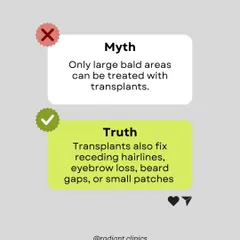
A hair transplant is a surgical procedure, not a salon quick-fix. While I can restore your hairline with FUE or Long Hair FUE, the procedure has limitations that every patient should understand before booking. You must account for recovery time, and more importantly, understand that your existing native hair still requires medical maintenance to prevent further thinning.
It is Surgery, Not a Salon Service
The biggest misconception I encounter is that a hair transplant is just a cosmetic touch-up. It is a precise medical procedure that requires a sterile environment, proper anesthesia, and surgical expertise. Whether we are discussing FUE surgery or the Instagraft method, the process involves moving living follicles. There will be temporary side effects like minor swelling or a slight numbness, which we call 'sunnpan'. These are normal, but they underscore why you need a qualified dermatologist or plastic surgeon performing the work.
Can You Proceed with Medical Conditions?
Patients often ask if conditions like hypertension stop them from getting a transplant. If your blood pressure is controlled with medication, it is generally safe to proceed. However, if your readings are consistently high, we recommend stabilizing that first. Your health is the priority over any aesthetic goal.
The Reality of Hair Loss Types
Not all hair loss is the same. I frequently see patients dealing with 'telogen effluvium'—a temporary shedding caused by high stress or viral illnesses like dengue or COVID-19. This is different from permanent male or female pattern hair loss. Distinguishing between the two is why a proper consultation matters before you spend money on a procedure you might not need.
The Post-Op Maintenance Myth
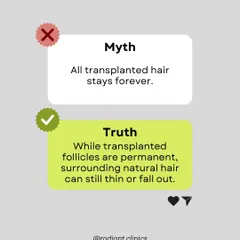
This is the most critical conversation I have with patients: the transplant is permanent, but your remaining hair is not. After the surgery, you must continue medical treatment to protect your native hair. There is no magic pill or one-time surgery that halts the natural progression of androgenetic alopecia. My goal is to guide you on how to maintain your density long-term, not just how to complete the surgery.
Similar work from other experts
Browse through Curated picks from other experts on mytribe
Hair Transplant Questions & Expert Answers
 10
10
Hair Restoration Guide: Expert Advice for Informed Decisions
Hair Transplant Truths: Expert Answers to Your Doubts
Expert Hair Restoration Facts & Truths
Hair Transplant Myths vs Facts: An Expert Guide
Common Hair Transplant Questions Answered
More from Hair Transplant Surgery by Kavish Chouhan
More services by Kavish Chouhan