Managing Side Effects: Ozempic Face and Hair Loss
Rapid weight loss from medications can impact your skin and hair faster than you realize. Learn how to address these changes with science-backed nutritional and lifestyle adjustments.
Ozempic is getting a lot of buzz as a magic weight loss solution. It works by reducing cravings and making you feel full faster. While it is FDA-approved for diabetes, its use for weight loss is still emerging and requires careful medical guidance.
"Ozempic face" is a term for the facial changes that can happen with rapid weight loss. When you lose facial fat quickly, cheeks can look hollow and skin can sag, making you look tired and aged. The skin doesn't have time to adapt.
Can Mounjaro or Ozempic cause hair loss? Yes, the rapid weight loss can trigger a temporary hair shedding condition called telogen effluvium. I can help you manage this by ensuring a high-protein diet and the right supplements to keep your hair strong.
About The Ozempic Effect: Weight Loss, Skin & Hair
The 'Ozempic face' or hair thinning people report isn't usually the drug itself—it is the speed of weight loss. When you lose fat too quickly, the skin loses its underlying support, leading to sagging. Your hair often hits a pause button called telogen effluvium when it misses vital nutrients. My approach is to slow down the process with a focus on protein and hydration to keep your skin supported while you lose weight.
Rapid weight loss affects the body in ways people do not always anticipate. When your body is under stress, it prioritizes vital organs over non-essential functions like hair growth and skin elasticity.
Understanding 'Ozempic Face'
This happens when facial fat melts away faster than the skin can shrink or adapt. The result is often a hollowed appearance or laxity, which can make you look tired. The solution is not another cream. It is about maintaining muscle mass and ensuring adequate collagen intake through your diet to support skin structure during your weight loss journey.
Managing Hair Shedding
Hair loss after weight loss medication is often telogen effluvium. Your hair follicles essentially go into a resting phase because the body is in shock. This is temporary. However, you must actively replenish the building blocks your hair needs. I focus on three key areas:
- Protein Loading: Ensuring you are getting enough to fuel follicle growth.
- Micronutrient Stacking: Checking Iron, Vitamin D, and B12 levels which often dip when appetite drops.
- Controlled Pace: If possible, adjusting your dosage cycle to prevent the body from hitting a massive shock state.
My clinic in Goregaon is equipped to audit your current protocol. We look at bloodwork to see what you are actually missing, rather than prescribing random supplements.
Similar work from other experts
Browse through Curated picks from other experts on mytribe
 5
5
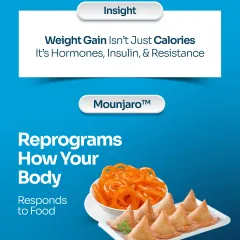

Medical Weight Management in Mumbai
 5
5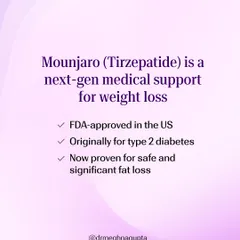


Medical Weight Loss with Mounjaro: A Science-Based Approach
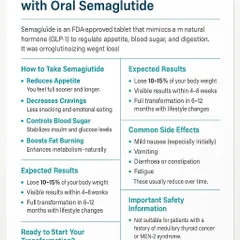
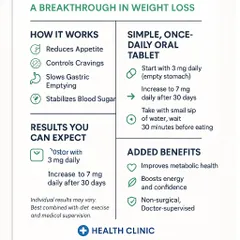

Medically Supervised Weight Loss with Oral Semaglutide
 52
52
Weight Loss for PCOS, Thyroid & Diabetes
 10
10


Holistic Solutions for Hormonal Health and Balance
 7
7


Ayurvedic Weight Loss & Metabolic Health in Powai
More from Diet & Lifestyle Coaching for Skin & Hair Health by Geetanjali Shetty
More services by Geetanjali Shetty