Understanding and Treating Eczema
If you are dealing with persistent, itchy patches on your hands or body, it is time to move beyond guessing games. I use scientific patch testing to identify the specific allergens causing your flare-ups, allowing us to create a targeted treatment plan for long-term relief.
Dry, itchy hands can be a sign of eczema, a condition often triggered by daily irritants or allergens. Recognizing this is the first step toward finding a solution that works for you.
Hand eczema typically appears as red, scaly patches that can itch, burn, or even crack. Understanding how to identify these signs helps in seeking timely and appropriate dermatological care.
Also known as hand dermatitis, hand eczema is a common condition that causes inflammation and irritation. It can be triggered by frequent hand washing, stress, or exposure to certain substances.
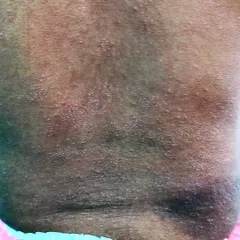
The ISS Patch Test is my primary tool for discovering the root cause of allergic eczema. This image shows the patches applied to a patient's back, each containing a potential allergen to test the skin's reaction.
This graphic explains how the ISS patch test works. It is a simple, non-invasive procedure that provides clear, actionable information about what is causing your eczema flare-ups.
Once we identify your specific triggers through patch testing, I can develop a personalized treatment plan. This targeted approach is key to helping you avoid future flare-ups and maintain healthy skin.
There are many potential causes for dry, itchy hands. Consulting with a trusted dermatologist is the most reliable way to identify the root cause and receive a personalized treatment plan for your specific needs.
Do not let eczema control your life. With a proper diagnosis and a tailored treatment plan from a dermatologist, you can effectively manage your symptoms and feel comfortable in your skin again.
Taking control of your eczema begins with a professional consultation. Let us work together to find the relief you deserve and restore your skin's health.
About Understanding and Treating Eczema
The Indian Standard Series (ISS) patch test is a structured three-visit process where we apply patches containing 20 to 30 common allergens to your back. We then monitor your skin's reaction over 96 hours to identify exactly what is triggering your dermatitis. This procedure provides the clarity you need to avoid those specific irritants in your daily life, rather than just treating the symptoms repeatedly.
Eczema is rarely just 'dry skin'. Often, it is an immune response to a substance you encounter daily, like nickel, cobalt, or fragrance mixes. If you have been cycling through creams and lotions without long-term improvement, it is time for a scientific diagnosis.
The Protocol
We follow a strict 3-visit protocol to ensure accuracy:
- Visit 1 (Application): We apply medical-grade chambers to your back containing the allergen series. You wear these for 48 hours.
- Visit 2 (Removal): We remove the patches and conduct an initial check for skin reactions.
- Visit 3 (Final Reading): We perform the final delayed reading 72 to 96 hours after application to spot late-stage reactions.
Choosing the Right Test
- Standard ISS Panel: Covers 20 to 30 common triggers like Nickel, Cobalt, and PPD. This is our baseline for most patients.
- Extended Patch Panel: For stubborn or complex cases, we test 40 to 50 allergens, including cosmetic preservatives, rubber accelerators, and sunscreen filters.
Why a Consultation is Mandatory
People often ask if they can skip the dermatology consultation and go straight to the test. Illa. Skipping the consultation is like guessing your foundation shade in the dark; it does not work. I need to understand your history, your daily environment, and your skin's unique story to ensure the right series is selected. My goal is to give you a 'safe list' of products to use and specific triggers to avoid, so you can manage your skin health with confidence.
Similar work from other experts
Browse through Curated picks from other experts on mytribe

Finding the Root Cause of Your Skin Allergies
 4
4
Effective Treatment for Skin Allergies, Rashes, and Infections

Expert Diagnosis for Common Skin Conditions
Effective Treatment for Common Skin Infections & Allergies
 7
7

Managing Chronic Skin Conditions
Common Skin Concerns & Professional Treatment Plans
More from Allergy Patch Testing by DermaZeal
More services by DermaZeal