Hair Transplant Education, Safety, and Clinic Standards
Before you decide on a procedure, understand the medical reality. We are here to guide you through the process, risks, and post-surgery care.
Are you still trying to adjust those last few hairs? It might be time for a permanent, natural fix. A hair transplant is a daytime procedure with minimal downtime that delivers real results and real confidence.
Even the greatest leaders have been concerned about hair loss. This letter from a young Jawaharlal Nehru shows that hair loss has been a timeless concern. Today, unlike in the past, you have science on your side.
A hair transplant is not for everyone. This media coverage from News9Live discusses which groups of people may not benefit from surgery. We believe in honest consultations and will tell you if you are not an ideal candidate.
This article explains the basics of a hair transplant, a surgical procedure that transfers hair follicles to a bald or thinning area. It is crucial to understand when this procedure is effective and when it should be avoided.
This list from a News9Live article outlines conditions where a hair transplant should be avoided, such as Alopecia Areata, active scalp conditions, or having a scanty donor area. We always conduct a thorough diagnosis first.
This list highlights conditions that can benefit from a hair transplant, including stable Vitiligo, scarring alopecia, and both female and male pattern hair loss. A proper diagnosis is the first step.
A capsule of confidence. This creative image represents our philosophy: we provide a complete solution for both skin and hair, all in one place.
Another creative take on our "capsule of confidence" concept, this time focusing on our advanced skin treatments. We are your one stop solution for nurturing your inner and outer self.
A fun take on something we do exceptionally well: creating a natural looking hairline. We believe in results that are so good, they are undetectable.
What is the ideal age for a hair transplant? This article explains that the ideal range is typically between 25 and 75 years. We generally do not recommend it for those in their early 20s as hair loss patterns may not be stable.
About Additional Work & Clinic Life
Before you commit, ask one critical question: who is actually performing your surgery? At our clinic, we operate on a zero-ghost-surgery policy, meaning our AIIMS-qualified dermatologists handle every step from anesthesia to implantation. This isn't about sales; it is about ensuring your safety in a strictly medical environment.
Why Your Hair Transplant Choice Matters
We believe a hair transplant is a surgical procedure, not a salon service. Too many clinics prioritize marketing over medical safety, leading to the rise of 'ghost surgeries' where unqualified technicians perform critical steps. We do not do that. When you walk into our clinic, you are treated by doctors who specialize in dermatology and plastic surgery.
Are You a Candidate?
Not everyone needs surgery, and not everyone should have it. We prioritize an honest consultation. We generally look for:
- Stable Hair Loss: If your hair loss pattern is still evolving rapidly, surgery might be premature.
- Donor Area Quality: Your results depend on the health of your donor site. We assess this during your first visit.
- Age Appropriateness: While we see patients between 25 and 75, we often advise younger patients to wait until their hair loss stabilizes to ensure a natural, long-term outcome.
Life After Surgery
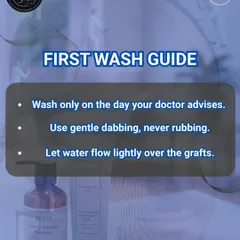
Recovery is a partnership. We provide specific dietary guidelines, like prioritizing protein and staying hydrated, to support your follicles. You will receive a post-op recovery kit and clear instructions on medication. We see you for bandage removal on Day 1 and scab removal on Day 10. Our goal is to set you up for success from day one, through to your final results at 9-12 months.
Our Commitment to Safety
Every procedure happens in a sterile operation theatre. Our team is BLS-certified, and we perform thorough pre-op health checks. We are not just fixing hairlines; we are upholding the standards of our medical profession.
Similar work from other experts
Browse through Curated picks from other experts on mytribe
Your Hair Transplant Journey Explained
 10
10
Hair Restoration Guide: Expert Advice for Informed Decisions
Hair Transplant FAQs: Get Honest Answers from the Experts
 13
13


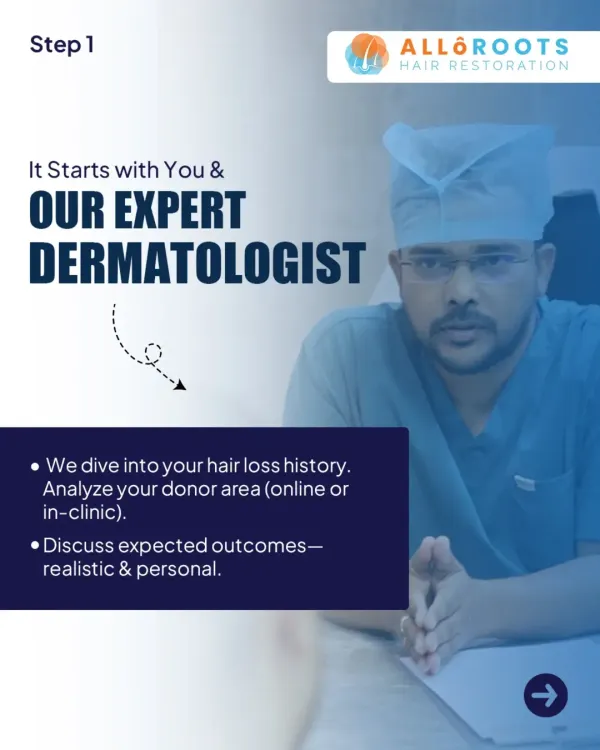
Your Hair Transplant Journey: A Transparent Guide
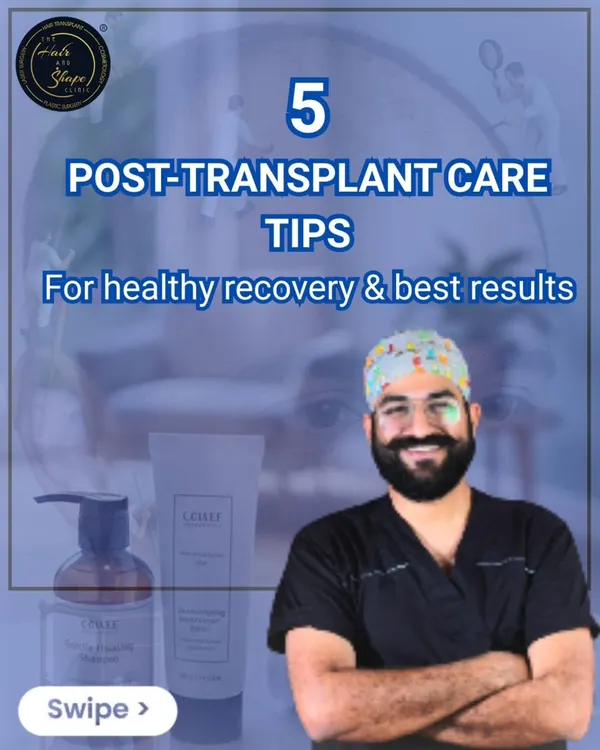
Hair Transplant Truths: Expert Answers to Your Doubts
 54
54

Your Hair Transplant Journey: Process and Care
More from Hair Transplant Surgery by DermaClinix
More services by DermaClinix