Specialized Surgical Repairs and Minor Procedures
From split earlobes to painful ingrown nails, these procedures require sterile, doctor-supervised care—not random DIY fixes.
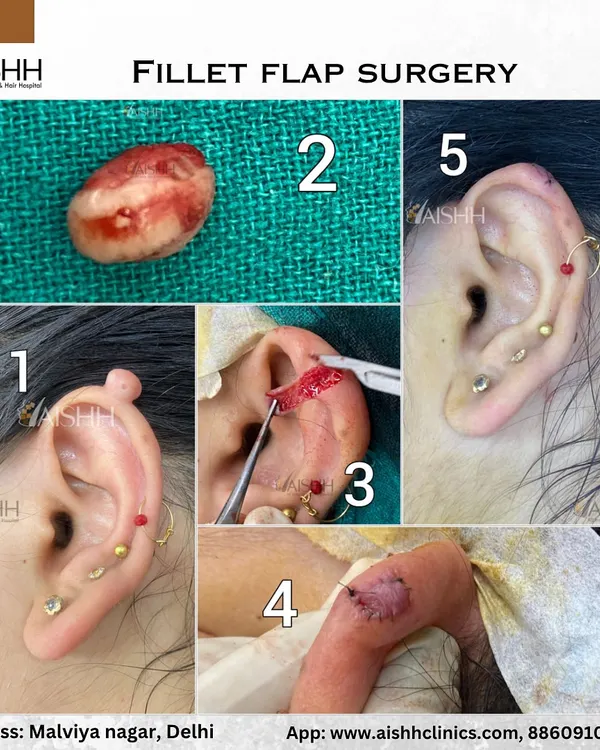
Our patient shares her wonderful experience after undergoing earlobe repair surgery at our clinic. She was so pleased with the result and our team's hospitality that she is considering other treatments with us.
After trying unsuccessful treatments elsewhere, this patient came to us for nail avulsion surgery. In his testimonial, he calls me the best doctor he has found and recommends our clinic for any skin or nail related issues.
About Specialized Surgical Repairs
You might be tempted to look for a quick salon fix for a torn earlobe or an ingrown nail, but please, don't. These are medical procedures that involve local anesthesia and sterile surgical protocols to prevent infection and ensure clean healing. If you need a permanent solution for a split earlobe or an infected nail, let's do it safely under proper supervision the first time.
Why Sterile Clinical Environment Matters
When you come to Delhi Laser Clinic, you aren't just getting a procedure; you are getting a clinical protocol. Whether it is an earlobe repair (lobuloplasty) or nail avulsion, I personally ensure the environment is sterile. We avoid 'quick fixes' like glue or improper trimmings that lead to recurrences or infections.
Earlobe Repair (Lobuloplasty)
If you have a torn earlobe from heavy earrings, a simple piercing re-do won't fix it. I freshen the torn edges to remove scar tissue and use fine, non-reactive surgical sutures to align the lobe curvature. This restores the lobe's tensile strength and ensures the resulting scar is minimal. You will need to wait 6 to 8 weeks before re-piercing, which we will guide you through.
Ingrown Nail Surgery
If you are dealing with chronic ingrown nails, a pedicure or bathroom surgery is only a temporary fix. I perform a permanent removal using chemical matricectomy—applying Phenol to the nail root after the avulsion. This kills the corner root so the nail does not grow back into your skin, providing permanent relief from the pain.
Safety Protocol
For every procedure, we prioritize pain management through local ring blocks or high-strength topical anesthesia. I use single-use surgical blades and, for nail surgery, a tourniquet to maintain a bloodless field. This is the only way to minimize pain and ensure the wound heals properly without complications.
Similar work from other experts
Browse through Curated picks from other experts on mytribe
 7
7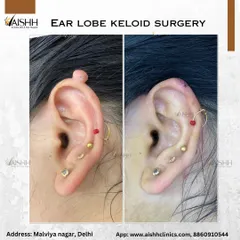
In-Clinic Surgical Dermatology Procedures
 5
5
Professional Ear & Cartilage Piercings in Noida
Professional Earlobe Piercing for Men and Women in Delhi
 7
7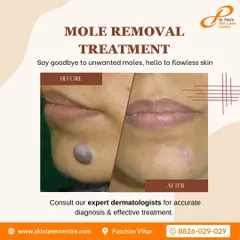
Advanced Dermatology and Skin Procedures
 8
8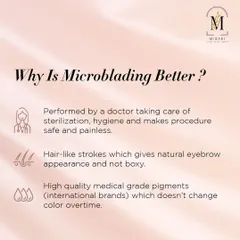
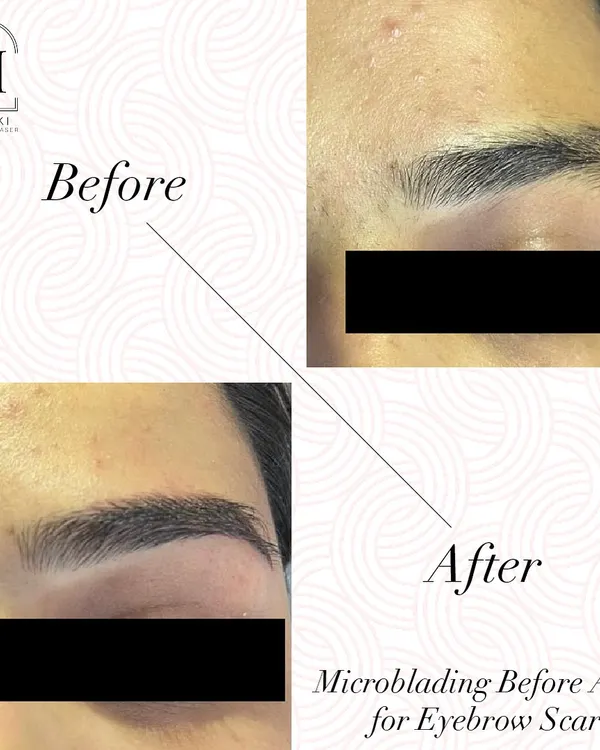
Medical-Grade Microblading & Specialized Skin Treatments
 4
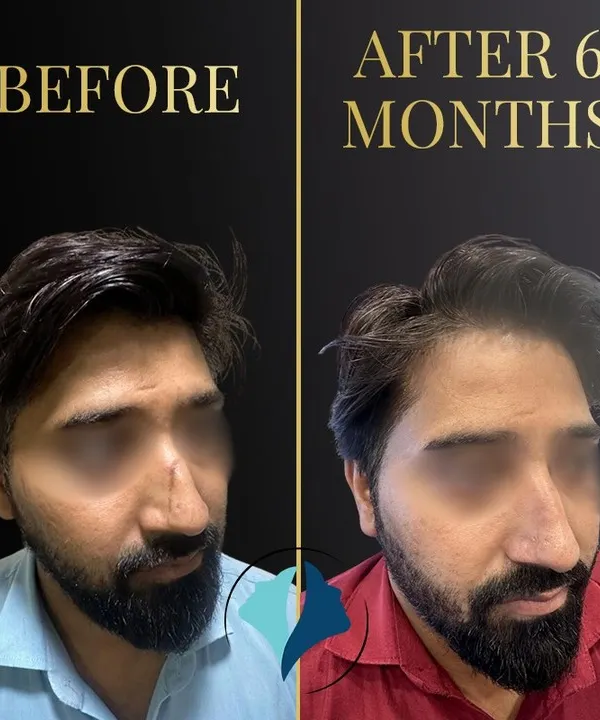
4Facial Scar & Injury Repair in Noida
More from Minor Surgical & Aesthetic Procedures by S.K Kashyap