Bharatanatyam Choreography and Performance Highlights
I create dance that digs deeper—moving beyond traditional steps to uncover rare poetry, ancient languages, and untold stories. These highlights represent my core artistic practice and ongoing research into the narratives of the past.
This is the raw emotion at the heart of my work. Portraying the 15th-century poet-saint Kanhopatra is a visceral experience, a journey into her vulnerability, agony, and ultimate surrender. My choreography for this piece aims to capture that catharsis, making her story felt, not just seen.
The Varnam is the centerpiece of a Bharatanatyam recital, and for me, it's a canvas for both technical rigor and deep emotional exploration. This Reetigowla Ata tala varnam is a piece I fell in love with, a perfect blend of intricate rhythms and potent lyrics that challenges me as both a musician and a dancer.
"Why do you stand obstructing me?" This powerful question from the 6th-century Pāli poetry of Buddhist nuns is the seed of my work, *Abandhana*. My choreography often explores this feeling of being held back, using movement to express the struggle for an unfettered existence.
This is the pure, unbridled joy of the Varkari tradition. In my production *VitthāMāi*, we explore the idea of God as a mother figure. This piece captures the celebratory spirit of devotees, where songs are flung into the air like colors during Holi, and the only response is to dance in abandon.
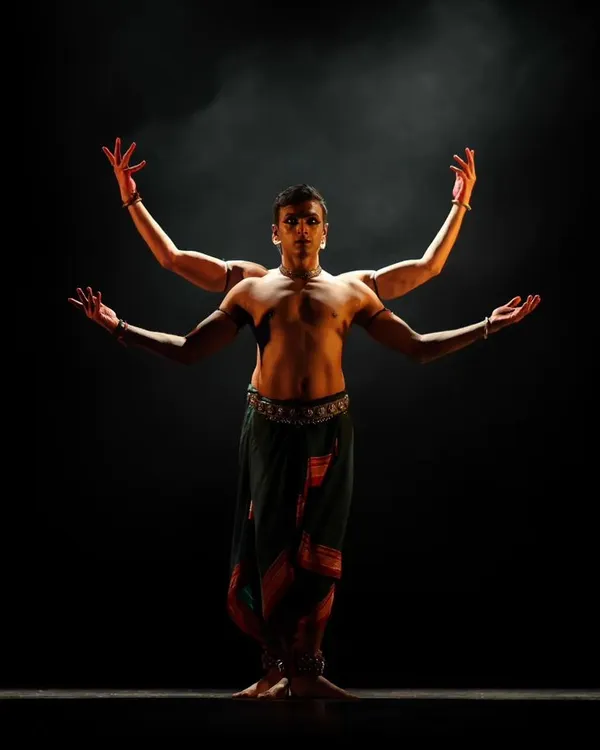
A moment of offering from my production *SARVASYA*. For me, choreography is about creating a connection between the idea, the dancer, and the audience. This pose captures that feeling of complete surrender to the story and the music.
My process begins here, surrounded by books and ancient texts. This is a glimpse into a rehearsal for *Akhyāt – Ākhyānā*, where we explore poetry by women from centuries past. The research is as much a part of the dance as the movement itself.
The story of Radha's love is timeless, but I wanted to explore her yearning, or 'viraha', with a kinetic, restless energy. Using lines from the Gita Govindam, we set her emotional journey against the structure of an Alaripu, creating a visual representation of her inner turmoil and strength.
This Khamas varnam is a piece I learned from my teacher, Mavin Khoo. It's a beautiful exploration of desire, where the choreography moves between playfulness and intensity. It’s a perfect example of how I approach traditional pieces, finding new layers of emotion and character within them.
About Featured
When we collaborate, my process goes beyond movement. It begins with sourcing rare Pāli, Marathi, or Tamil texts to build a narrative. We will work closely with musicians to ensure the soundscape matches the emotional weight of your theme before we finalize any choreography. Whether you need a solo performance or a full-length production, we move together from research to the final stage.
My approach to Bharatanatyam is rooted in the belief that dance is a living, breathing archive. I do not just perform; I research. My projects, such as Akhyāt – Ākhyānā, are born from the words of female poets and saints from centuries ago—voices that have been silenced or overlooked by history.
By engaging with classical texts and traditional structures, I aim to create pieces that feel relevant today. My process is highly collaborative. I prefer working directly with live musicians to compose Raga and Tala structures that resonate with the specific emotional arc of the poetry we choose. This ensures that the dance is not just a visual spectacle but a cohesive story.
I offer three distinct paths for those interested in working with me:
-
Custom Solo Pieces: Commissioning a 10–15 minute research-backed solo. This includes the sourcing of texts, music composition, and personalized instruction.
-
Thematic Productions: Full-scale, 45–60 minute productions. These are turnkey projects where I handle everything from script development and ensemble choreography to lighting design and orchestra coordination.
-
Repertoire Masterclass: For experienced dancers, I offer intensive training sessions to master existing pieces from my repertoire, complete with music licensing and performance rights.
Whether you are looking for a performance in Chennai, Bengaluru, London, or beyond, my work remains consistent: finding the intersection of ancient philosophy and modern movement. Let’s sit down, discuss your thematic interests, and build something meaningful.
Similar work from other experts
Browse through Curated picks from other experts on mytribe
 7
7
Bharatanatyam Choreography and Performances
 15
15
Bharatanatyam Choreography and Thematic Productions
 8
8
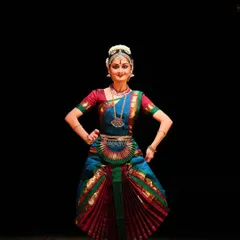
Featured Bharatanatyam Choreography & Performance Highlights
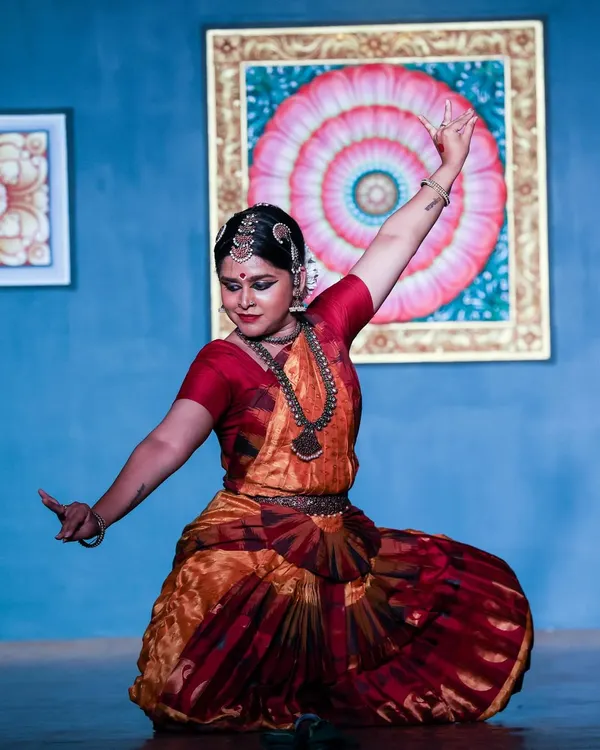 7
7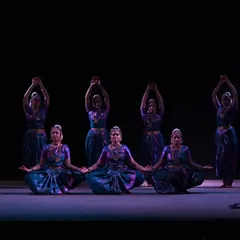
Bharatanatyam Performances and Traditional Recitals
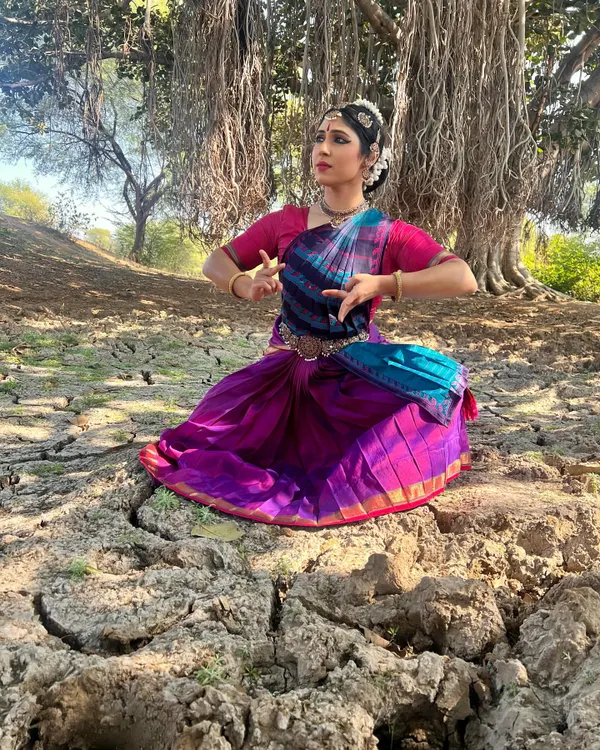 7
7Exploring Bharatanatyam: Where Tradition Meets Contemporary Inquiry
 10
10
Bharatanatyam Performances and Professional Choreography
More from Bharatanatyam Choreography by Divya Ravi
More services by Divya Ravi