Abandhana: Choreography Inspired by Ancient Buddhist Poetry
A dance-theatre immersion into the Therigāthā—the 6th-century BCE songs of elder Buddhist nuns. I explore themes of freedom, constraint, and the human experience using Bharatanatyam.
Glimpses from the studio research and development for *Abandhana*, my work based on the Therīgāthā, songs of the elder Buddhist nuns. The piece is a multidisciplinary immersion into these 6th-century BCE feminist voices, blending dance, music, and theatre.
A moment from the premiere of *Abandhana* (Unfettered). This work-in-progress is a dance-theatre-musical immersion into the poetry of the Therīgāthā, the earliest known anthology of women's literature from the 6th century BCE.
A studio shot from the creation of *Abandhana*. The line "Why do you stand obstructing me?" from the Pāli poetry of the Therīgāthā was the initial spark for this entire production, exploring themes of freedom and constraint.
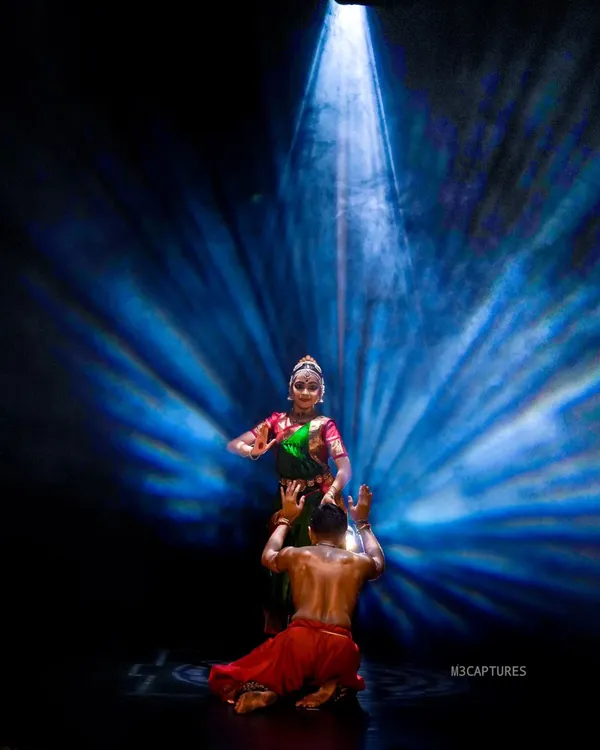
A powerful theatrical moment from *Abandhana*. The piece is a true collaboration, with musicians physically interacting on stage to represent the forces that both bind and liberate the central character.
A raw, emotional moment from a studio session for *Abandhana*. The work delves into the trauma, struggles, and choices of the Theri-s, or elder Buddhist Nuns, finding parallels in the lives of women today.
This photo captures the spirit of *Abandhana*. The work explores the poetry of 6th-century Buddhist women who navigated oppression and existential crises, with their experiences manifesting as powerful poetic outpourings.
The interplay between dancer and musician is central to *Abandhana*. Here, the cellist becomes a physical presence in the narrative, her music weaving through the story of the Buddhist nuns.
Another dynamic rehearsal shot for *Abandhana*. The movement vocabulary for this piece is drawn from Bharatanatyam but is shaped by the raw, powerful emotions of the Pāli poetry.
A posed shot with my collaborators for *Abandhana*. This dance-theatre piece is a true ensemble effort, bringing together vocals, percussion, and cello to create an immersive soundscape.
A quiet, intense moment from *Abandhana*. The piece explores the inner world of the Theri-s, their moments of doubt, and their journey towards enlightenment.
About Abandhana: Voices of Buddhist Nuns
My creative process for this production moves beyond traditional choreography by integrating live musical dialogue—specifically the cello, vocals, and percussion—directly into the narrative flow. When we develop these pieces, we spend significant time in the studio ensuring the movement vocabulary derived from the Therigāthā reflects the emotional weight of the Pāli text, rather than just adhering to standard rhythmic patterns.
Researching the Movement
Abandhana, which translates to 'Unfettered', is not just a performance; it is a long-term research project. I spent years diving into the Therigāthā, the earliest known anthology of women's literature. These 6th-century BCE poems provided the spark, but the challenge was translating that ancient Pāli text into a language that connects with an audience today.
The Collaborative Process
I believe that a performance is only as strong as its collaboration. In this cluster, you will see how the cellist and percussionist act as more than just accompaniment—they are physical presences on stage who interact with the dancer. We break down the traditional separation between musician and dancer, making the ensemble a single, breathing unit.
Why This Matters
Many people come to me looking for standard items, but this work is different. It is for those interested in:
- Thematic Depth: Projects that use dance as a vehicle to discuss gender, existential crises, and historical feminist voices.
- Cross-Genre Integration: Blending the precision of Bharatanatyam with contemporary movement and global soundscapes like Tibetan music or cello arrangements.
- The 'Why' Behind the Movement: My goal is to use the Bharatanatyam grammar not to just perform a story, but to interrogate the original text.
If you are planning a production or looking for a piece that demands deep thought and rigorous preparation, this approach offers a unique way to stage narratives that are both ancient and urgent.
Similar work from other experts
Browse through Curated picks from other experts on mytribe
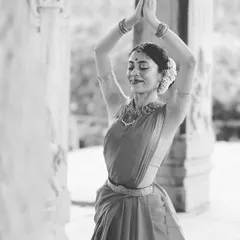
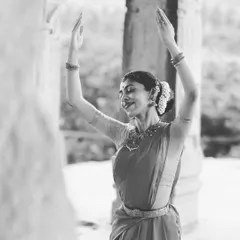
The Creative Process Behind My Choreography
Thematic Bharatanatyam Solo Productions
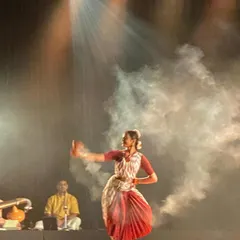
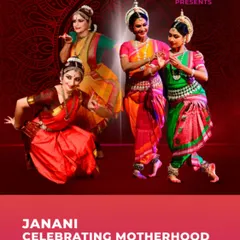
Thematic Bharatanatyam Productions
 10
10
Authentic Bharatanatyam Performances and Theatrical Productions
Bharatanatyam Performances and Solo Choreography
 63
63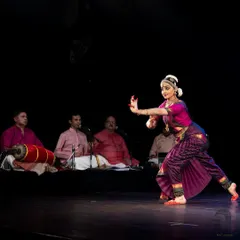
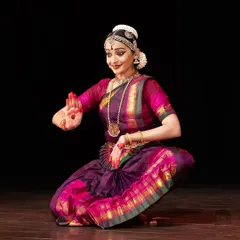
The World of the Nayika: Bharatanatyam Recitals
More from Bharatanatyam Choreography by Divya Ravi
More services by Divya Ravi