Advanced Skin and Hair Diagnostics
Misdiagnosing a skin or hair condition often leads to the wrong treatment. I use clinical dermatoscopy to see exactly what is happening beneath the surface, ensuring we treat the root cause, not just the symptoms.
This is my Dermlite 5, one of the most advanced dermatoscopes available. This device is essential in my practice for a non invasive examination of skin and hair conditions. It allows me to see structures beneath the skin's surface, leading to a more precise diagnosis for everything from moles to infections.
A trichoscope, a specialized dermatoscope for hair, can reveal incredible details. This video shows a live head louse egg, or nit, attached to a hair shaft. You can even see the beating heart of the embryo inside, confirming an active infestation that requires treatment.
This is a highly magnified image of a pubic louse, or crab louse, clutching a hair shaft alongside its eggs, known as nits. Using a dermatoscope allows for this level of detail, which is crucial for identifying the parasite and confirming the diagnosis of this particular STI.
Here is a pubic louse viewed under my videodermatoscope after being removed from a patient. This parasite, about 1 to 1.5 mm in size, feeds on human blood and is transmitted through intimate contact. Understanding its behavior helps in counseling patients on treatment, which often involves medication and shaving affected body hair.
About Advanced Diagnostics: Seeing What's Unseen
When you come in for an issue, I do not guess. Using a professional dermatoscope, I can look at a rash or a suspected infestation at high magnification, which helps me immediately tell the difference between a fungal infection and a bacterial one like Erythrasma. It turns a potential guess into a definitive diagnosis, saving you time and preventing the use of creams or medications you simply do not need.
Many people come to me after trying multiple over-the-counter creams that did not work. The problem is rarely the cream, but the diagnosis. Skin and hair issues often look identical to the naked eye. A fungal rash can easily be mistaken for a bacterial one, and treating the wrong one will only lead to frustration.
My clinic, Therapeía in Basavanagudi, is equipped with high-end tools like the Dermlite 5. This allows for polarized light dermatoscopy, where I can magnify skin and hair structures to see what is invisible to the naked eye. Whether it is identifying the beating heart of a louse egg or distinguishing between a simple skin tag and a concerning lesion, this level of detail is non-negotiable.
We also use Wood’s lamp examinations to quickly differentiate conditions, like Erythrasma, from fungal tinea. This is particularly important for sexual health concerns, where symptoms like groin rashes often cause unnecessary panic. Instead of assuming the worst or jumping to conclusions based on social media advice, we get the facts first. This scientific process is the foundation of every treatment plan I write, ensuring you only invest in medication that actually works for your specific condition.
Similar work from other experts
Browse through Curated picks from other experts on mytribe
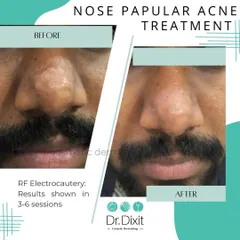
Evidence-Based Dermatology: Real Solutions for Skin and Hair
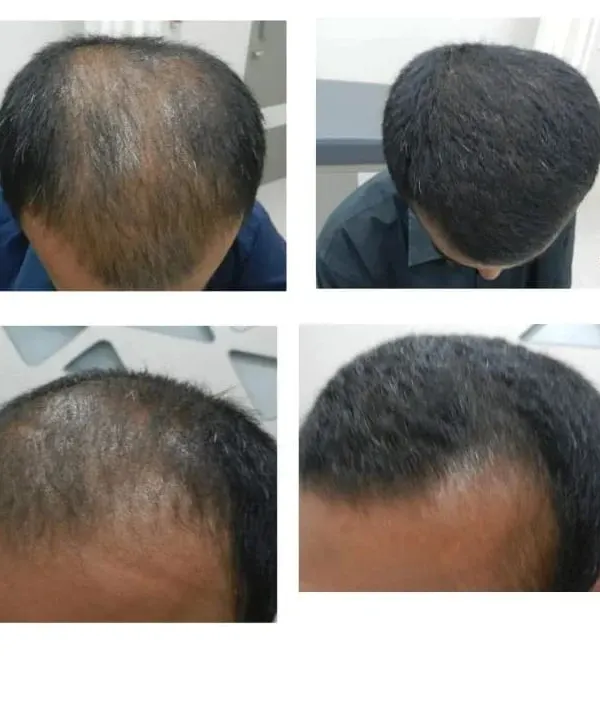 5
5Science-First Hair and Skin Treatments
 15
15
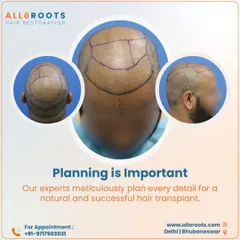

A Science-Based Approach to Hair Restoration

Expert Dermatology and Clinical Skin Care
Science-Backed Skin and Hair Solutions in Bengaluru
Science-Backed Hair Loss Treatments in Bengaluru
More from Sexual Health & STD Treatment (Venereology) by Govind S. Mittal
More services by Govind S. Mittal