Navigating Court Procedures: How to Protect Your Rights
Court procedures are often misunderstood, leading many to panic. I simplify complex legal paths, helping you handle notices and challenges with clarity, not confusion.
What if a court passes an order against you without your knowledge, and you find out only when your property is being attached? This is called an ex-parte decree. I explain the specific legal provision, Order 9 Rule 13 of the CPC, which allows you to challenge and set aside such an order. It requires strong arguments, but it is possible to save your property.
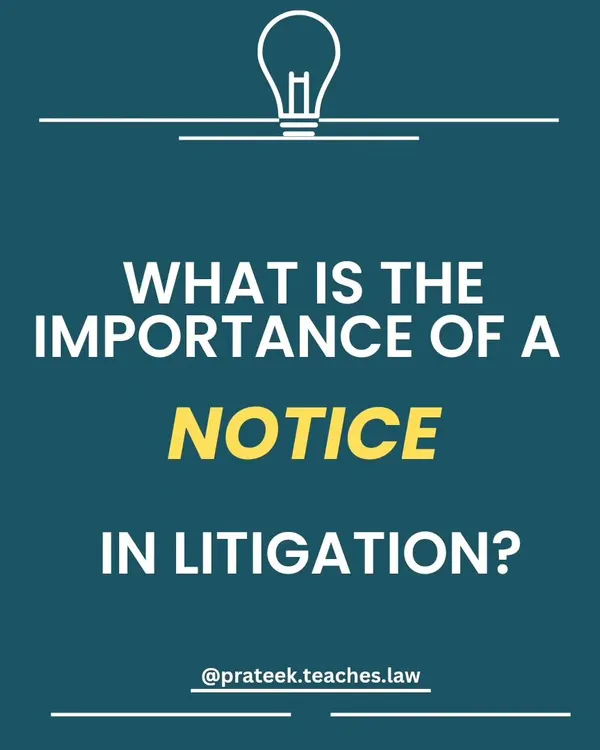
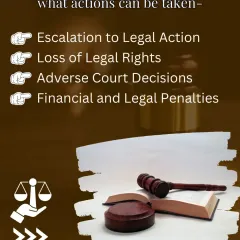
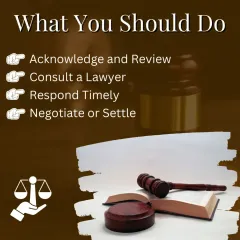
Receiving a legal notice can be stressful, but ignoring it is the worst mistake you can make. In this video, I break down the immediate, practical steps you must take. The key is to read it, understand the issue, and consult a lawyer to reply within the stipulated time. A timely and proper response is crucial to prevent the matter from escalating to a lawsuit.
Many people try to get a civil suit dismissed early by filing an application under Order 7 Rule 11, but they make a critical mistake. This application can only be argued based on the documents the other party has filed, not your own evidence. I explain the correct strategy for challenging the maintainability of a suit at the right stage to avoid wasting time and effort.
About Navigating Court Procedures
I recently handled a case where a client faced an ex-parte decree, and by using Order 9 Rule 13, we successfully challenged the order and saved their property from attachment. The process depends entirely on proving why you could not appear, so do not panic if you receive an attachment notice, but make sure you gather all your correspondence and service proofs immediately before the next hearing date.
When You Get a Legal Notice
Ignoring a notice is the biggest mistake you can make. Whether it is related to a rent dispute, property issue, or cheque bounce, the sender is usually building a case. Read the notice carefully to understand the claims, and consult a lawyer to draft a factual, point-by-point reply within the stipulated time. A timely response can often prevent a matter from escalating into a full-blown lawsuit.
Understanding Ex-Parte Orders
An ex-parte order is passed when you fail to appear in court, potentially leading to property attachment without you even knowing a case was filed. If this happens, you have a remedy under Order 9 Rule 13 of the Civil Procedure Code. I guide clients in drafting the application for setting aside the decree, which requires proving that the summons were not served correctly or that there was a valid reason for your absence. It is tough, but it is possible with strong arguments.
Dismissing Suits Early (Order 7 Rule 11)
If you are dragged into a frivolous civil suit, you do not always have to go through a long trial. Under Order 7 Rule 11, we can file an application to dismiss the plaint early if it lacks a valid cause of action or jurisdiction. Crucially, this application is argued based only on the documents filed before the court, not your personal evidence. We focus on these procedural gaps to save you time and litigation costs.
My Approach to Court Matters
I operate out of my office in Naraina and practice in the Delhi District Courts. My role is not just to represent you but to explain the stage of your case, whether it is pleadings, evidence, or arguments, so you know exactly what is happening.
Similar work from other experts
Browse through Curated picks from other experts on mytribe
 10
10
Understanding Legal Notices and Injunctions
Navigating the Legal Process: Practical Guidance


Legal Insights and Simplified Advice
 4
4
What to Do When You Receive a Legal Notice



Property Dispute Resolution & Legal Strategy
Featured Property Law and Civil Advocacy
More from Property & Real Estate Law by Karan Sharma