Legal Guidance for Financial and Civil Disputes
I break down complex legal processes into simple, actionable steps. Whether you are dealing with a bounced cheque, recovering money, or navigating property rights, I help you understand your options clearly.
Wondering what to do if a cheque you received bounces? The law has a very specific and time sensitive process. I break down the crucial 30, 15, and 30 day rule for filing a cheque bounce case to ensure you can recover your money.
If someone owes you money and isn't paying it back, you have legal options. I explain the two step process for money recovery, starting with a legal notice and moving to a civil suit if necessary, and why you should avoid cash transactions.
This is me at the Supreme Court of India. I handle cases at the highest levels of the judicial system, bringing extensive experience to every matter I take on, from trial courts to the apex court.
Before you agree to be a guarantor or surety for someone's loan, you must understand the risks. I explain how Section 128 of the Indian Contract Act makes you equally liable for the debt, a mistake that can have serious financial consequences.
A common question in family law is about a widow's right to her husband's property. I clarify that under the Hindu Succession Act, a wife is a Class 1 heir and is entitled to her share, a right that continues even if she remarries.
Thorough preparation is the foundation of any strong legal case. Here I am in my office, reviewing the Evidence Act, which is critical for building a successful argument in court, especially in civil and commercial litigation.
It's a difficult situation when a relationship ends, and you've lent money or given expensive gifts. I explain the legal realities of recovering money lent versus gifts given, and the importance of having proof for a successful recovery suit.
Another day at the Supreme Court of India. My presence here reflects my commitment to handling significant legal challenges and advocating for my clients at all levels of the justice system.
About Featured
If you are dealing with a bounced cheque, timing is everything. Under the Negotiable Instruments Act, you have a strict 30, 15, and 30 day window. You must send a legal notice within 30 days of the bounce, wait 15 days for payment, and file your complaint within the final 30 days. Miss these dates, and the court often will not entertain your case. It is a procedural hurdle that catches many people off guard, which is why having a clear strategy from day one matters.
My practice is built on the belief that law should not be intimidating or hidden behind confusing terminology. Whether it is a money recovery suit, a property partition issue, or a criminal matter, I focus on giving you a realistic picture of your case. I do not sugarcoat the reality of evidence or legal timelines.
I handle litigation from the trial courts here in Bengaluru up to the High Court and Supreme Court. My approach to civil litigation, such as money recovery, involves assessing the viability of your claim before we start. We look at whether you have bank transfers, written agreements, or other proof that will hold up in court. If you are lending money, I always advise against cash transactions because documenting the debt is the most critical step in a successful recovery.
For family and property matters, I focus on clarifying your rights under the succession acts. These disputes are often emotionally charged, and my role is to bring clarity to the legal technicalities so you can make informed decisions. My goal is to be your guide through the system, ensuring you know exactly what is happening at every hearing and why we are taking a particular step.
Similar work from other experts
Browse through Curated picks from other experts on mytribe
Practical Legal Solutions for Property and Consumer Disputes

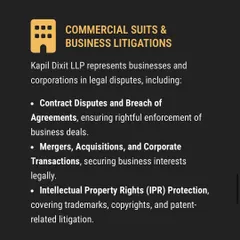
Expert Legal Services and Corporate Law Advice in Bengaluru
Featured Legal Cases and Expert Advice
Legal Solutions for Cybercrime and Personal Disputes
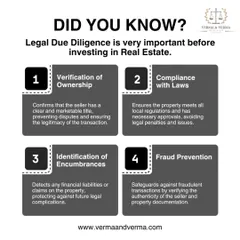
Real Estate Legal Advice: Property Law Made Simple



Trusted Legal Services and Advocacy
More from Civil & Commercial Litigation by Abhilash H.S
More services by Abhilash H.S