Solar Technology and Installation Best Practices
Installing solar energy is a significant capital decision. We break down the technical realities, from component selection to avoiding installation risks, to ensure your system delivers reliable long-term returns.
This infographic explains how solar panels are made, from raw silicon to the final product. It also shows the three main types of solar panels: Monocrystalline, Polycrystalline, and Thin Film, each suited for different applications.
Did you know that a solar system generates electricity as Direct Current (DC)? An essential component called an inverter is used to convert this DC electricity into Alternating Current (AC) for use in our homes and businesses.
Do not ignore the risk of overlooking battery storage. For businesses in areas with frequent power cuts, a solar-plus-storage system is critical for ensuring uninterrupted operations and achieving true energy independence.
A common risk is choosing the cheapest installer. While it may save money upfront, it often leads to expensive mistakes like low-quality components, poor wiring, and a lack of after-sales support, jeopardizing your entire investment.
The first mistake to avoid is ignoring your energy consumption before choosing a system. A professional energy assessment is crucial to determine the right system size for your needs, preventing overspending or underperformance.
Thinking about investing in solar? This guide of Do's and Don'ts covers key considerations, from researching thoroughly and assessing your energy needs to not overlooking maintenance costs or shading issues.
This guide provides Do's and Don'ts for solar energy financing. It is important to compare financing options, calculate potential savings, and review all terms and conditions before committing to a plan.
A well-designed solar energy system is crucial for long-term performance. This checklist advises consulting with qualified professionals and using high-quality components, while warning against DIY installations or neglecting maintenance.
Designing a utility-scale mega solar power plant is a complex feat. This graphic outlines the essential Do's, like conducting thorough site analysis, and Don'ts, like neglecting maintenance access or safety measures.
A duplicate of ID 19, this graphic reinforces the best practices for designing large-scale solar projects. Careful planning and consideration are required to ensure a successful and efficient outcome.
About Solar Technology & Best Practices
Before you sign any installation contract, demand a professional shadow analysis and a site-specific generation estimate. Too many businesses lose money because they install standard panels without considering unique roof shading or local atmospheric conditions, effectively turning what should be a profitable, clean energy asset into a persistent maintenance headache.
Engineering for Longevity
Solar energy is not just about mounting panels on a roof. A high-performance system requires meticulous Engineering, Procurement, and Construction (EPC) practices. Our approach begins with PVSyst shadow analysis to ensure every square meter of your roof contributes to generation. We emphasize the use of Tier-1 Bifacial modules and high-efficiency string inverters that come with remote data logging, allowing you to track performance metrics in real-time.
Common Risks to Avoid
Many clients mistakenly prioritize the lowest quote over system reliability. The market is saturated with uncertified components and inexperienced installers who neglect critical elements like:
- Safety Compliance: Ignoring yellow-marked maintenance walkways or safety lifelines.
- Structural Integrity: Using sub-standard mounting structures that cannot handle regional wind loads.
- Hidden Costs: Forgetting about ongoing O&M, earthing installation, and DISCOM liaisoning for net-metering.
The Future of Your Investment
We advocate for future-proofing your setup. Whether through battery storage integration for critical load shedding protection or designing your carport to be 'EV-ready' for electric vehicle charging, we ensure your infrastructure is ready for the next decade of energy needs. Solar is a strategic financial decision; when planned correctly, the payback period is typically within 3 to 5 years. Our goal is to provide the technical clarity you need to move from grid-dependence to energy independence.
Similar work from other experts
Browse through Curated picks from other experts on mytribe
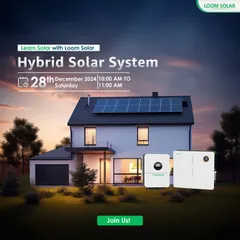

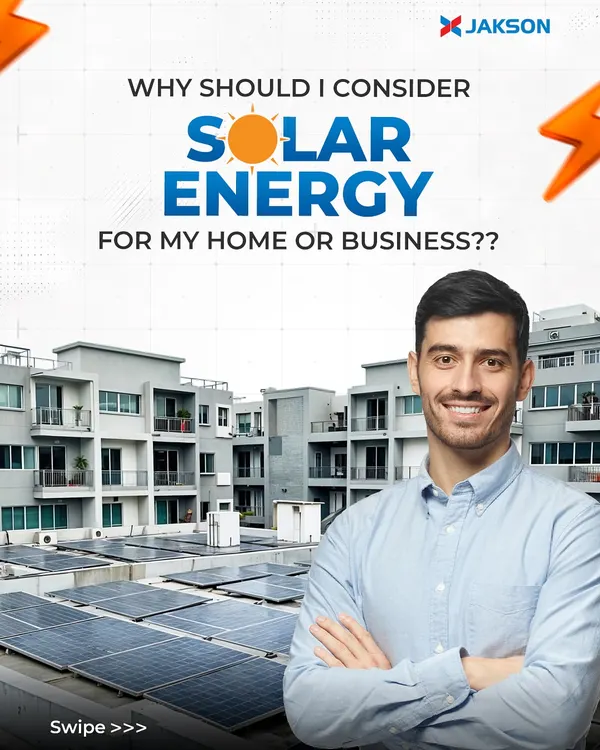
Understanding Solar: Simple Guides for Your Home and Business
 19
19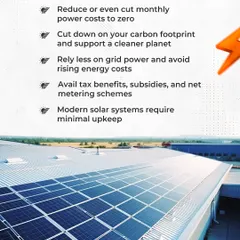
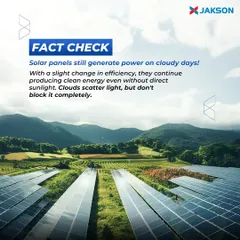
Solar Energy Guide: Expert Tips for Your Installation
 30
30
Understanding Solar Technology, Efficiency, and Sustainability
 47
47
Understanding Rooftop Solar for Your Home
 8
8
Solar Energy Investment: Maximize Your Financial Returns
 31
31
Smart Solar Investment: Maximize ROI and Cut Electricity Costs
More from Solar EPC & Turnkey Solutions by Vibgyor Energy
More services by Vibgyor Energy